
Topic hub · Kratom
Kratom: Research, Laws and Buyer Guides for 2026
Kratom (Mitragyna speciosa) is a Southeast Asian tree whose leaves contain mitragynine and trace amounts of 7-hydroxymitragynine (7-OH), alkaloids that act on opioid and other receptors. This hub gathers our kratom research summaries, federal and state law updates, safety coverage, strain comparisons and lab-tested buying guides, updated as DEA scheduling of 7-OH moves forward.
New to the topic? Start with the basics, then move to the cluster you need. Every post cites primary sources such as PubMed studies, the Federal Register and state statutes, and legal facts carry a date because they change quickly. We do not give dosing advice, and we keep what trials found separate from what product marketing claims.
Start here
Essential Kratom guides
The six articles we would read first: the basics, the law, safety and how to judge a product.
What Is Kratom? A Plain-Language Guide
The plant, its main alkaloids, how it is sold and what researchers still do not know.
Read the guide → LawIs Kratom Legal? Kratom Laws by State
Federal status, state bans, KCPA states and local rules, last checked October 2026.
Read the guide → News7-OH in 2026: Where DEA Scheduling Stands
What the October 2026 notice covers, how the threshold works and what happens next.
Read the guide → GuideKratom Research Overview: What Science Says
A tour of the human, animal and laboratory research, with its gaps and limits.
Read the guide → SafetyKratom and Drug Interactions
Which liver enzymes kratom alkaloids affect and the interaction risks reported in studies.
Read the guide → Buying guideBest Kratom Brands of 2026
Seven brands vetted for batch lab reports, alkaloid disclosure and transparency.
Read the guide →Key facts, 25 October 2026
Kratom at a glance
Federal status (leaf)
Not federally scheduledPlain kratom leaf and mitragynine are not covered by DEA's 14 October 2026 notice on 7-OH.
7-OH
Schedule I order pendingAbove 1 mg per gram or mL, or a mitragynine-to-7-OH ratio below 100. Not before 13 November 2026.
Already in Schedule I
Three related alkaloidsMitragynine pseudoindoxyl, MGM-15 and MGM-16, under a temporary DEA order from 26 August 2026 to 26 August 2028.
State laws
10 states ban kratomPlus 7-OH bans or caps in many more and KCPA rules in about 19. Our October 2026 state guide has the full table.
Kratom basics
What kratom is, how the leaf becomes powder or tea, how 7-OH products differ and how kratom compares with other botanicals.
- What Is Kratom? A Plain-Language Guide for 2026
- 7-OH vs Traditional Kratom: 5 Differences Every Buyer Should Know
- How Kratom Is Processed: From Leaf to Powder
- Kratom Tea: Traditional Preparation, Alkaloids and Safety
- Kratom Dosage: Why There Is No Official Dose
- Kratom vs Kava: Effects, Safety and Legality
- Kratom vs Kanna: Two Botanicals, Different Mechanisms
Kratom and 7-OH laws
Federal scheduling actions, state bans and Kratom Consumer Protection Acts, with the dates each rule took or takes effect.
Safety, tolerance and drug tests
What studies and case reports show about interactions, liver injury, tolerance and withdrawal, plus how drug tests detect kratom and 7-OH.
- Kratom and Drug Interactions: What the Research Shows
- Kratom and Liver Injury: What the Case Reports Show
- Kratom and Alcohol: Why Mixing Them Raises the RiskComing 1 Nov
- Kratom Tolerance: How It Develops and What to Do
- 7-OH Tolerance: Research-Based Overview
- 7-OH Withdrawal: Symptoms, Timeline and How People Get HelpComing 26 Oct
- Does Kratom Show Up on a Drug Test?
- How Long Does 7-OH Stay in Your System?Coming 27 Oct
Kratom research and pharmacology
Receptor science, metabolism and the alkaloid chemistry behind mitragynine and 7-OH, drawn from peer-reviewed studies.
Buying guides and lab reports
How to read a certificate of analysis, spot red flags and compare brands on testing transparency rather than marketing.
- Best Kratom Brands of 2026: 7 Vetted for Lab Transparency
- Best Kratom Capsules of 2026: 7 Brands VettedComing 2 Nov
- Best Kratom Powder: How to Choose
- Best 7-OH Brands and Tablets of 2026
- How to Read a Kratom Lab Report (COA)
- 7 Red Flags on a Kratom COA
- 5 Signs a Supplement Brand Is Actually Third-Party Tested
- Elyxr Review 2026: Lab-Tested Alternative Wellness Products
- 7OH.com Review 2026: 7-Hydroxymitragynine Marketplace
- 7Stax Review 2026: 7-OH Kratom Alkaloid Tablets
Strains and product formats
What vein colours and regional strain names really tell you, and how powders, capsules, extracts, tablets and gummies differ.
- Kratom Strains Explained: Red, Green and White
- Red vs Green Kratom: What the Vein Colour Label Tells You
- White vs Green Kratom: Claims Versus the Lab Evidence
- Red vs White Kratom: What Tests Show
- Maeng Da vs Bali Kratom: Strain Names and Lab Data
- Borneo vs Bali Kratom: What the Labels Mean
- Green Malay vs Green Maeng Da Kratom
- Kratom Extract vs Powder: Potency, Risks and Labels
- Kratom Capsules vs Powder: Same Leaf, Different Trade-offs
- 7-OH Gummies vs Tablets: Accuracy, Onset and Risks
Newest first
Latest Kratom articles
-
Best Kratom Capsules of 2026: 7 Brands Vetted for Lab Transparency
-
Kratom and Alcohol: Why Mixing Them Raises the Risk
-
How Long Does 7-OH Stay in Your System? Half-Life and Drug Test Windows
-
7-OH Withdrawal: Symptoms, Timeline and How People Get Help
-

Can You Overdose on Kratom or 7-OH? What Death Reports and Toxicology Show
-

Suboxone for Kratom and 7-OH Withdrawal: What Clinicians and Studies Say
-
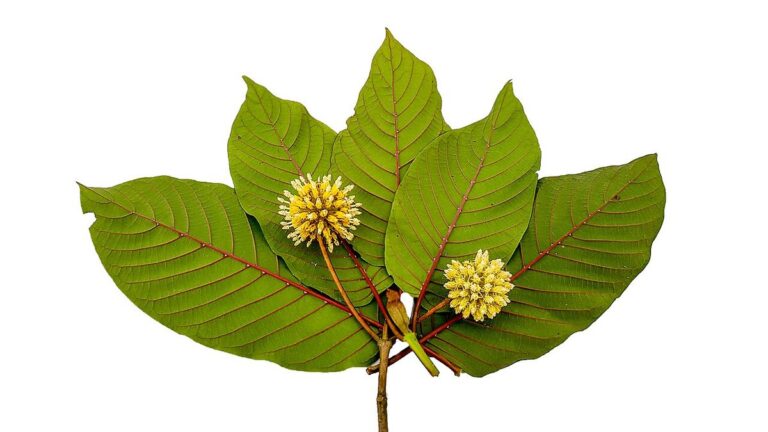
Kratom Withdrawal: Symptoms, Timeline and Why Leaf Differs From 7-OH
-
Green Malay vs Green Maeng Da Kratom: What the Labels Really Tell You
-

Borneo vs Bali Kratom: What the Labels Mean and What Lab Data Shows
Questions
Kratom: frequently asked questions
Is kratom legal in 2026?
Kratom leaf is not federally scheduled in the United States. DEA's 14 October 2026 notice targets 7-OH and mitragynine pseudoindoxyl above a threshold, not mitragynine or plain leaf. State law is a patchwork: some states ban kratom or 7-OH outright, while others regulate sales through a Kratom Consumer Protection Act. Check the current rules where you live before buying.
What is the difference between kratom and 7-OH?
Kratom is the leaf of Mitragyna speciosa, and its main alkaloid is mitragynine. 7-hydroxymitragynine (7-OH) occurs only in trace amounts in the leaf, but some products concentrate it or make it from mitragynine. Laboratory research shows 7-OH is far more potent at the mu-opioid receptor, which is why regulators treat high-7-OH products differently from leaf.
Is 7-OH being banned federally?
Not yet. On 14 October 2026 DEA published a revised notice of intent to temporarily place 7-OH and mitragynine pseudoindoxyl in Schedule I above more than 1 mg per gram or mL, or where the mitragynine-to-7-OH ratio is below 100. The order cannot be published before 13 November 2026, and several states already restrict 7-OH products.
Does kratom show up on a drug test?
Usually not on standard five- and ten-panel workplace tests, which do not screen for mitragynine or 7-OH. Specialised mass spectrometry assays can detect both, and these are ordered deliberately in settings such as clinical toxicology, treatment monitoring and forensic casework. Detection windows vary widely between individuals, so no published figure predicts a single person's result.
How can I tell if a kratom product is lab tested?
Look for a batch-specific certificate of analysis from an accredited independent lab that reports mitragynine and 7-OH content, heavy metals and microbial results, with a batch number that matches your package. An undated or generic report, or one issued by the brand itself, is a red flag. Our COA guides walk through each section of a real report.
Keep exploring
Related topic hubs
Hemp THC
Delta-8, THCA and hemp THC compared, the late-2026 federal changes, and lab-tested product buying guides.
Open hub → Topic hubCBD
CBD trials, product types, drug tests, medication interactions, the 2026 THC limit and COA-verified picks.
Open hub → Topic hubNootropics
Nootropic ingredients compared on human trials, legal status and safety, with transparently formulated brands ranked.
Open hub →Research a brand
Check a brand before you buy
Our directory lists brands with public, batch-level lab reports. A listing is not an endorsement, and editorial coverage is independent of paid placements.
How we work: every article cites primary sources (peer-reviewed studies, FDA and DEA documents, the Federal Register and state law), says where the evidence is thin, and is dated so you can see when the legal picture was last checked. Nothing here is medical or legal advice. Read our editorial policy.