
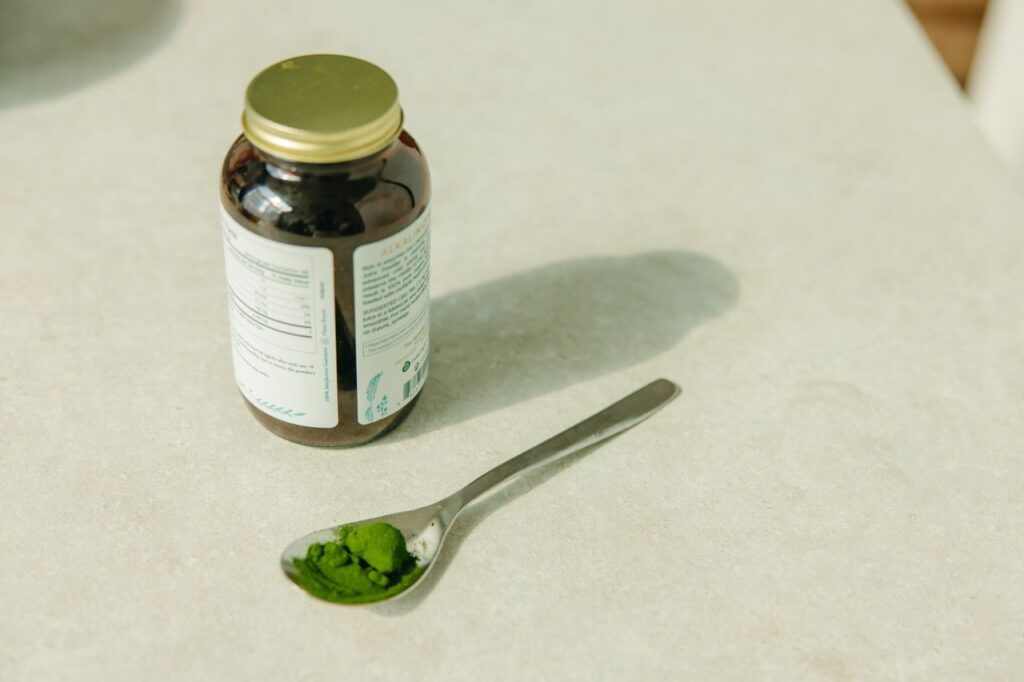
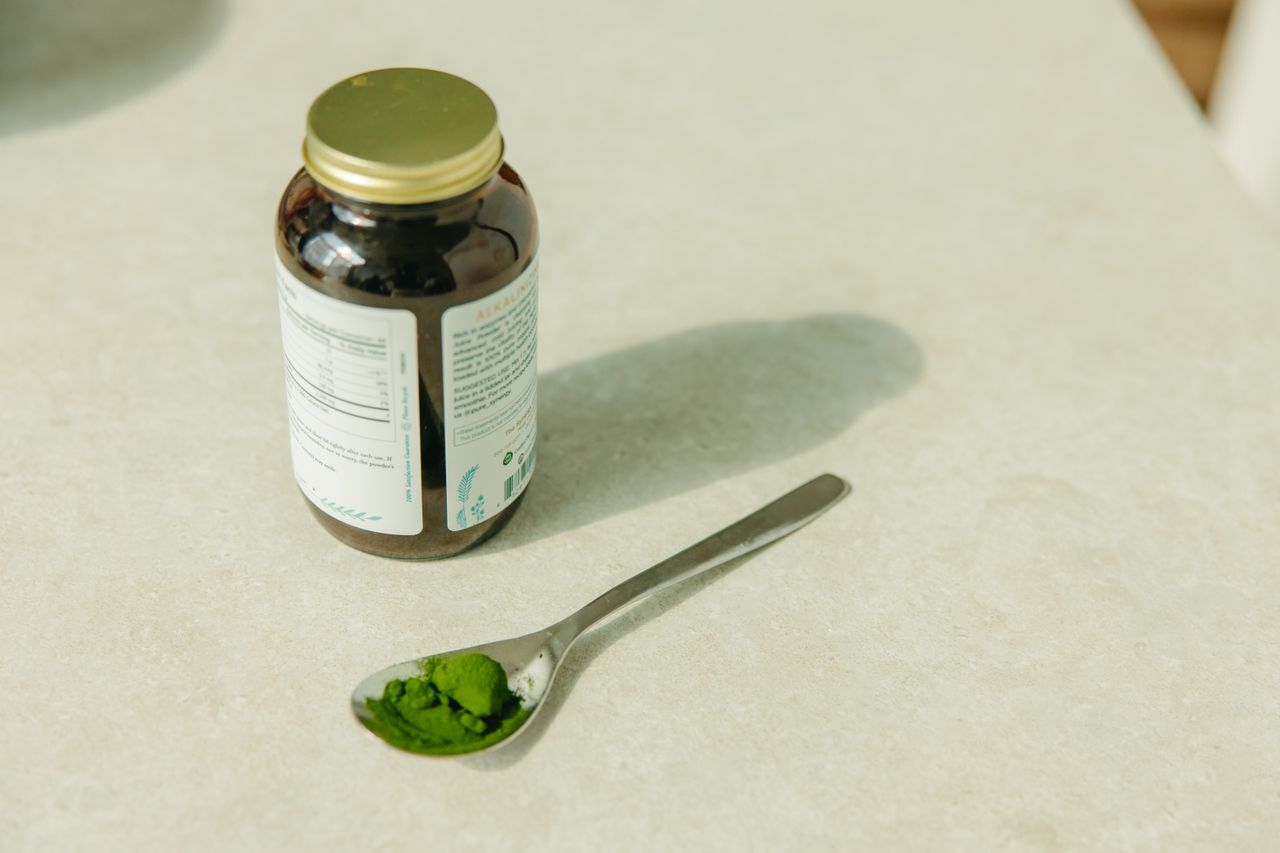
Green Malay and Green Maeng Da are both Mitragyna speciosa leaf sold under different marketing names. “Green” describes vein colour or drying method, “Malay” implies Malaysian origin, and “Maeng Da” is a Thai-derived trade name signalling a premium grade. No controlled study shows that either reliably differs in alkaloids or effects, and in one analysis a Green Maeng Da product matched other strains.
Vendor pages ranking for this comparison usually describe Green Maeng Da as the stronger, more energising option and Green Malay as the longer-lasting, more balanced one. They rarely cite data, and several sell both.
This page looks at what the names can and cannot tell you, what independent chemistry says, and why a batch certificate of analysis matters more than the strain name. It gives no dosing advice and does not recommend either product.
At a glance
| Property | Green Malay | Green Maeng Da |
|---|---|---|
| Species | Mitragyna speciosa | Mitragyna speciosa (same species) |
| What the name implies | Grown in Malaysia | A premium Thai-style grade |
| Can origin be verified? | Rarely; Malaysia prohibits kratom trade | Rarely; origin stories vary by vendor |
| What “green” means | Vein colour or drying method | Vein colour or drying method |
| Main alkaloid | Mitragynine | Mitragynine |
| Published lab comparison | None specific to Green Malay | Matched other strains in one vendor analysis |
| Typical seller claim | Longer-lasting, balanced | Stronger, more energising |
| Controlled human studies | None | None |
| Best guide to content | Batch certificate of analysis | Batch certificate of analysis |
What “Green Malay” and “Green Maeng Da” actually mean
Kratom product names stack two or three labels. Each tells you something about how the seller wants you to see the product, and much less about what is in it. Our guide to kratom strains explains the system in full.
Green refers to the colour of the leaf’s central vein or, in commercial practice, to how the leaf was dried. See our entry on green vein kratom. Both products in this comparison share it, so the comparison comes down to the other half of the name.
Malay implies the leaf was grown in Malaysia. But Malaysia lists mitragynine under its Poisons Act 1952 and restricts import, possession, manufacture and sale of kratom6. That makes large-scale legal export from Malaysia unlikely, and many sellers describe “Malay” as a style or lineage name for leaf grown elsewhere in Southeast Asia. See our Malay kratom glossary entry.
Maeng Da is a Thai-derived name that sellers use to signal a premium or high-potency product. Origin stories differ between vendors: some describe grafted or selectively bred trees, others a grading or processing method, and products labelled Maeng Da are sold as Thai, Indonesian or Malaysian. None of these accounts has been independently documented. Our Maeng Da glossary entry covers the name’s history.
What laboratory analyses show
No published study compares Green Malay with Green Maeng Da directly. The closest evidence points the same way: product names are a poor guide to alkaloid content.
- Maeng Da did not stand out. A 2023 study had six products from one vendor analysed by an independent laboratory: White, Red and Green Maeng Da, Green and Red Bali, and White Thai. There were no significant differences in mitragynine, paynantheine, speciogynine or speciociliatine between them1.
- Vein colour did not predict alkaloids. A 2026 study of eight Thai kratom accessions with visibly different vein colours found largely consistent alkaloid profiles in mature leaves; leaf age had a bigger effect2.
- Products vary, but not by name. An analysis of US commercial products found the same set of 12 to 13 alkaloids in each, dominated by mitragynine, with other major alkaloids varying from product to product3.
Genetics and processing do matter
That is not to say all kratom is chemically identical. In a 2025 study of US-grown trees, a cultivar called ‘MR-Malaysian’ responded differently to post-harvest withering than a cultivar called ‘Hawaii’, and drying temperature and season also changed alkaloid levels4. A separate study could sort 19 samples from one online distributor by purported origin and product line using trace elements5.
The catch is that these differences come from documented cultivars, measured processing or mineral fingerprints, not from retail names. Nothing links a “Green Malay” or “Green Maeng Da” label to a specific cultivar or process, so the name cannot tell you which of those factors applies to the bag you are holding.
Reported effects: marketing versus evidence
Sellers typically describe Green Maeng Da as strong and energising, and Green Malay as smoother and longer-lasting. The authors of the 2023 study noted that online vendors market Maeng Da as an energy booster and mood enhancer1.
The same study surveyed 644 kratom users, most of them customers of the analysed vendor. Respondents reported different effects for different colours, matching common marketing descriptions, even though the products did not differ significantly in the alkaloids measured1. The authors suggested that perceived differences might be disproportionately influenced by marketing narratives and anecdote, and called for blinded trials.
That does not rule out real differences. Minor alkaloids and other compounds were not fully examined, and six products from one vendor is a small sample. But the claim that Green Maeng Da is reliably stronger than Green Malay has not been shown.
Whatever the label, mitragynine acts as a partial agonist at the mu-opioid receptor7, and users describe kratom’s effects as dose-dependent. The amount and the batch are likely to matter more than the name.
How good is the evidence?
For named kratom strains, the evidence is thin and indirect.
- No controlled human studies compare Green Malay with Green Maeng Da, or any named strains, for effects.
- Chemistry studies are small, often covering a handful of products or trees12.
- Origin is taken on trust. Studies of retail products rely on the seller’s own description of where the leaf came from5.
- Surveys capture expectation. People who know what they are taking may report effects that match what they were told to expect.
Seller claims of specific alkaloid percentages for “Maeng Da” or “Malay” as a category, rather than for a tested batch, go beyond what the evidence supports. Our kratom research overview covers the wider literature.
Safety, interactions and drug testing
Because both are kratom leaf, the same safety considerations apply to each.
- Dependence and withdrawal. In a survey of 293 regular users in Malaysia, more than half met criteria for severe dependence, with withdrawal symptoms including muscle aches, sleep problems and irritability8.
- Liver injury. Rare, but a 2020 review applying formal causality assessment concluded kratom likely causes liver injury, based on low-quality human evidence plus animal and mechanistic data9. See our article on kratom and liver injury.
- Drug interactions. In a controlled human study, kratom tea modestly raised blood levels of midazolam, a drug cleared by CYP3A10. People taking prescription medicines should check with a pharmacist.
- Drug tests. Standard workplace panels do not target kratom, but specific mitragynine tests exist. The strain name makes no difference.
A “Maeng Da” name on an extract, shot or “enhanced” product is a different matter from leaf powder. Concentrated and 7-OH-enriched products carry more risk than plain leaf, whatever they are called.
Legal status as of September 2026
US federal: kratom leaf is not a controlled substance. In July 2026 the DEA gave notice of intent to temporarily place 7-hydroxymitragynine in Schedule I above 0.050% of dry weight in botanical material, or above set limits in processed products; botanical kratom below that threshold is excluded11. At the time of writing that order had not been published. Mitragynine pseudoindoxyl, MGM-15 and MGM-16 were temporarily scheduled from 26 August 2026.
US states: several states and some localities ban kratom, while many regulate it through Kratom Consumer Protection Acts with age limits and labelling rules. See our state-by-state guide.
Producing countries: Thailand removed kratom from its narcotics list on 24 August 2021 and now regulates it under the Kratom Plant Act 2022, while Malaysia continues to control it under the Poisons Act 19526.
UK: kratom falls under the Psychoactive Substances Act 2016, so supplying it for human consumption is an offence. Canada: Health Canada has not authorised kratom for ingestion and has seized products marketed that way.
What to check instead of the strain name
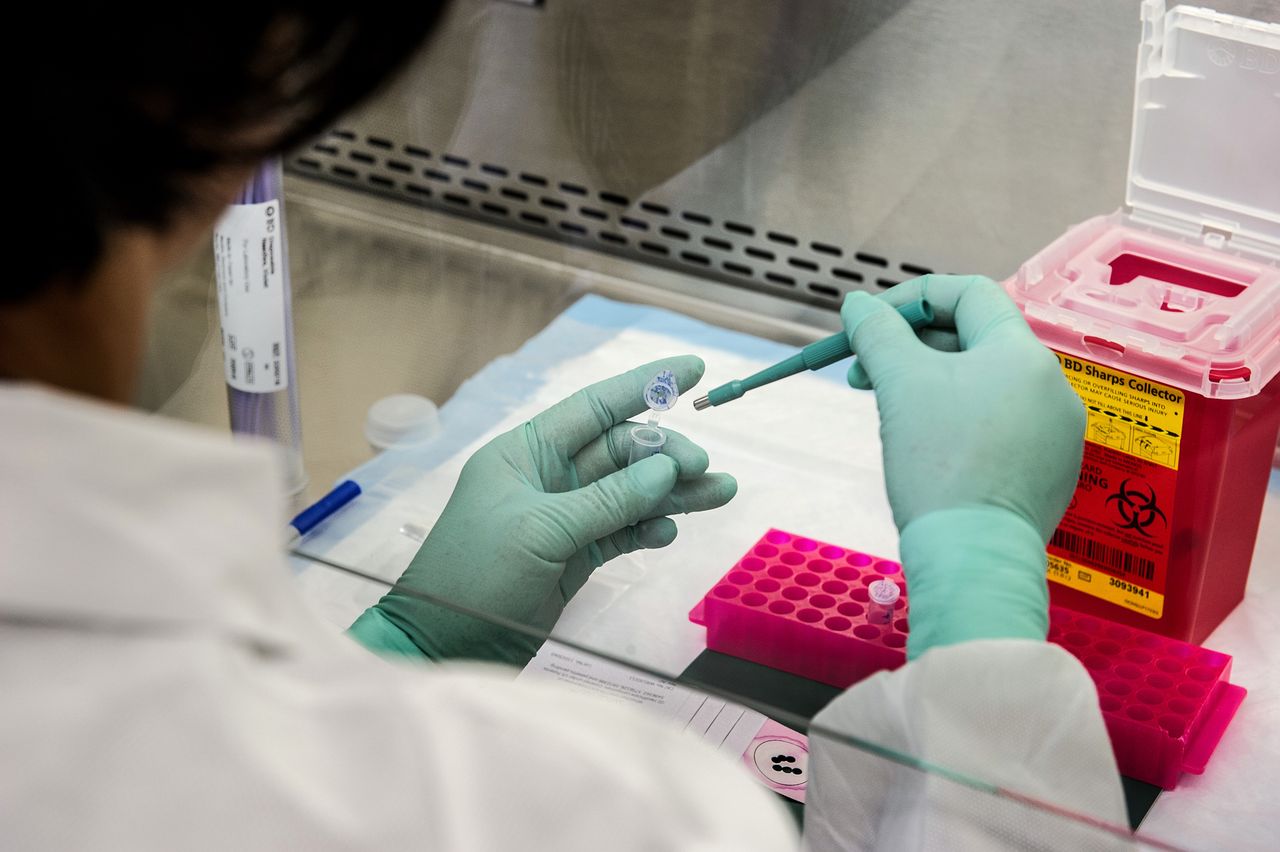
If the name is a weak signal, the batch certificate of analysis (COA) is a stronger one. Our guide on how to read a kratom COA explains each section.
- A batch-specific report whose batch number matches the product, from an independent laboratory.
- Mitragynine and 7-OH reported separately. Natural leaf contains very little 7-OH; in the 2025 study, it made up only 0.02 to 0.04% of leaf alkaloid extracts and was detected only in some seasons4.
- Heavy metals and microbial results, which matter regardless of strain.
- No disease claims. Labels promising pain relief, anxiety relief or help with opioid withdrawal are making drug claims.
If a Green Maeng Da product has a noticeably higher mitragynine figure than a Green Malay product, that is a fact about those two batches, not about the names.
Frequently asked questions
Is Green Maeng Da stronger than Green Malay?
Sellers often say so, but there is no published evidence that it is consistently stronger. In a 2023 analysis, Green Maeng Da did not differ significantly in major alkaloids from other named strains sold by the same vendor1. Alkaloid levels vary with cultivar, drying and season4, so strength depends on the batch. A certificate of analysis showing mitragynine content is more informative than the name.
Is Green Malay kratom actually from Malaysia?
Often probably not. Malaysia controls mitragynine under its Poisons Act 1952 and restricts kratom sale and trade6, which makes legal export at scale unlikely. Many sellers treat Malay as a style or lineage name for leaf grown elsewhere in Southeast Asia. There is no certification scheme for kratom origin, so the label cannot be independently verified.
What does Maeng Da mean?
Maeng Da is a Thai-derived name that kratom sellers use to signal a premium or high-potency grade. Vendors tell different origin stories, including grafted trees, selective breeding or special processing, and sell Maeng Da products from several countries. None of these accounts has been independently documented, and one lab analysis found Maeng Da products no different in major alkaloids from other strains1.
Is green vein kratom different from red or white?
Users report differences, but the chemistry is unclear. A 2026 study of Thai trees with visibly different vein colours found alkaloid profiles in mature leaves were largely consistent2, and a 2023 analysis found no significant alkaloid differences between red, green and white products from one vendor1. Commercial colour labels often reflect drying rather than the living leaf.
Will Green Malay or Green Maeng Da show up on a drug test?
Standard workplace immunoassay panels do not look for kratom, whatever the strain. However, laboratories offer specific tests for mitragynine and its metabolites, which some employers, courts and treatment programmes use. Both Green Malay and Green Maeng Da contain mitragynine, so a specific kratom test would detect either.
Sources
- Huisman G, Menke M, Grundmann O, Schreiber R, Mason N. Examining the Psychoactive Differences between Kratom Strains. Int J Environ Res Public Health. 2023;20(14):6425. DOI: 10.3390/ijerph20146425. PMID: 37510657. pubmed.ncbi.nlm.nih.gov
- Ransden KE, Ramachandria P, Laforest LC, et al. Comparative analysis of monoterpene indole alkaloid composition and genotypic variation in Thai Mitragyna speciosa. Front Plant Sci. 2026;17:1821609. DOI: 10.3389/fpls.2026.1821609. PMID: 42158609. pubmed.ncbi.nlm.nih.gov
- Manwill PK, Flores-Bocanegra L, Khin M, et al. Kratom (Mitragyna speciosa) Validation: Quantitative Analysis of Indole and Oxindole Alkaloids Reveals Chemotypes of Plants and Products. Planta Med. 2022;88(9-10):838-857. DOI: 10.1055/a-1795-5876. PMID: 35468648. pubmed.ncbi.nlm.nih.gov
- Zhang M, Lyndon A, Kanumuri SRR, et al. Alkaloid biosynthesis in medicinal crop kratom (Mitragyna speciosa) varies with postharvest, genetic, and seasonal factors. Front Plant Sci. 2025;16:1653916. DOI: 10.3389/fpls.2025.1653916. PMID: 41090093. pubmed.ncbi.nlm.nih.gov
- Braley C, Hondrogiannis EM. Differentiation of Commercially Available Kratom by Purported Country of Origin using Inductively Coupled Plasma-Mass Spectrometry. J Forensic Sci. 2020;65(2):428-437. DOI: 10.1111/1556-4029.14201. PMID: 31560807. pubmed.ncbi.nlm.nih.gov
- Ammartsena A, Firmanto AA. Harmonizing tradition and regulation: Thailand’s kratom policy in a comparative global perspective. Soc Sci Humanit Open. 2026;13:102950. DOI: 10.1016/j.ssaho.2026.102950. sciencedirect.com
- Kruegel AC, Gassaway MM, Kapoor A, et al. Synthetic and Receptor Signaling Explorations of the Mitragyna Alkaloids: Mitragynine as an Atypical Molecular Framework for Opioid Receptor Modulators. J Am Chem Soc. 2016;138(21):6754-6764. DOI: 10.1021/jacs.6b00360. PMID: 27192616. pubmed.ncbi.nlm.nih.gov
- Singh D, Müller CP, Vicknasingam BK. Kratom (Mitragyna speciosa) dependence, withdrawal symptoms and craving in regular users. Drug Alcohol Depend. 2014;139:132-137. DOI: 10.1016/j.drugalcdep.2014.03.017. PMID: 24698080. pubmed.ncbi.nlm.nih.gov
- Schimmel J, Dart RC. Kratom (Mitragyna Speciosa) Liver Injury: A Comprehensive Review. Drugs. 2020;80(3):263-283. DOI: 10.1007/s40265-019-01242-6. PMID: 31919755. pubmed.ncbi.nlm.nih.gov
- Tanna RS, Nguyen JT, Hadi DL, et al. Clinical Assessment of the Drug Interaction Potential of the Psychotropic Natural Product Kratom. Clin Pharmacol Ther. 2023;113(6):1315-1325. DOI: 10.1002/cpt.2891. PMID: 36924284. pubmed.ncbi.nlm.nih.gov
- Drug Enforcement Administration. Schedules of Controlled Substance: Temporary Placement of 7-Hydroxymitragynine Above a Specified Threshold in Schedule I (notice of intent). Federal Register. 6 July 2026. Document 2026-13580. federalregister.gov
Editorial note: This article is for general information only and is not medical or legal advice. Kratom products have not been evaluated by the FDA to diagnose, treat, cure or prevent any disease. Laws vary by location and change often, so verify the rules that apply where you are. Always talk to a licensed healthcare provider before use, especially if you are under 21, pregnant or nursing, taking medication, or managing a health condition.
More comparisons
-
Borneo vs Bali Kratom: What the Labels Mean and What Lab Data Shows
-
Kratom vs Kanna: Two Botanicals With Very Different Mechanisms
-
Kratom Capsules vs Powder: Same Leaf, Different Trade-offs
-
Red vs White Kratom: Relaxing vs Energising, and What Tests Show
-
Maeng Da vs Bali Kratom: Strain Names, Lab Data and What Differs