
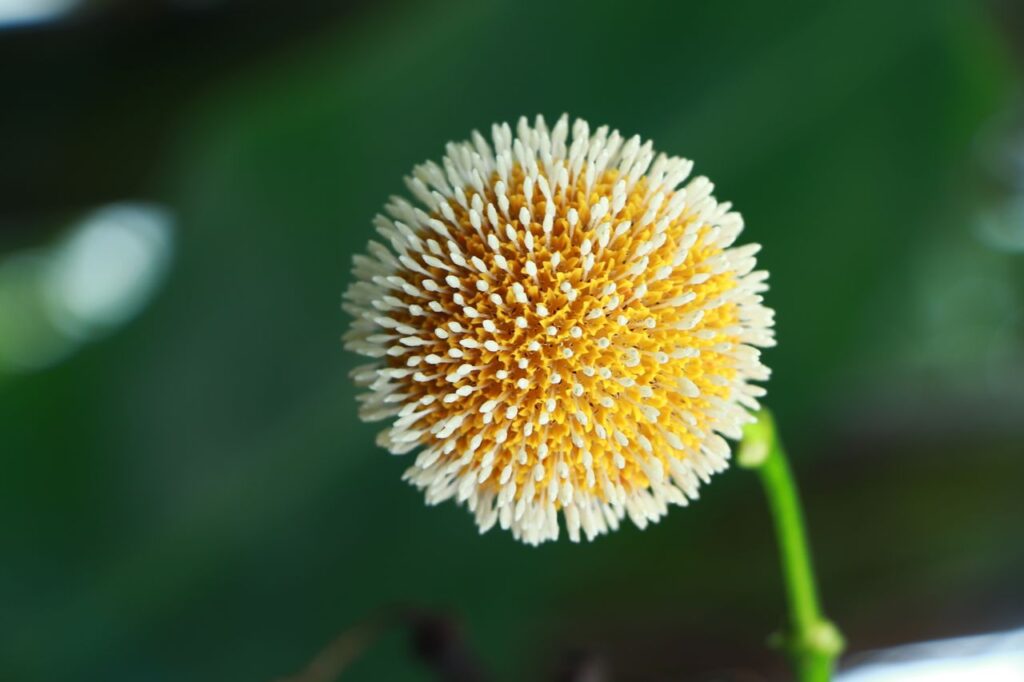
The main difference between kratom and kanna is the receptor system each one works on. Kratom (Mitragyna speciosa) is a Southeast Asian tree whose leaf alkaloids act as partial agonists at the mu-opioid receptor. Kanna (Sceletium tortuosum) is a South African succulent whose alkaloids mainly block serotonin reuptake. They are not substitutes for each other, and their risks differ.
The two are often shelved together in smoke shops and online botanical stores, and many of the pages comparing them are written by sellers. Those pages tend to describe kanna as the gentle option and kratom as the stronger one, usually without citing anything.
This page sets out what the chemistry, the human studies and the regulators actually say, as of September 2026. It does not recommend either plant and gives no dosing guidance.
At a glance
| Property | Kratom | Kanna |
|---|---|---|
| Plant | Mitragyna speciosa, a tree in the coffee family, Southeast Asia | Sceletium (Mesembryanthemum) tortuosum, a South African succulent |
| Main alkaloids | Mitragynine; 7-hydroxymitragynine in small amounts | Mesembrine, mesembrenone, mesembrenol |
| Primary target | Mu-opioid receptor (partial agonist) | Serotonin transporter; PDE4 enzyme |
| Commonly reported effects | Stimulant-like at lower amounts, opioid-like at higher amounts | Calm, improved mood; often described as subtle |
| Human evidence | Mostly surveys and pharmacokinetic studies | A handful of small trials, mostly of one extract |
| Dependence | Documented in regular users | Not well studied |
| Main safety concerns | Dependence, withdrawal, rare liver injury, CYP3A interactions | Possible interactions with serotonergic drugs; headache, stomach upset |
| US federal status (Sept 2026) | Leaf unscheduled; concentrated 7-OH targeted by DEA | Unscheduled; sold as a supplement ingredient |
| Standard drug tests | Not on standard panels; specific tests exist | Not a target of standard panels |
What each plant is and how its alkaloids work
Kratom leaves contain dozens of indole and oxindole alkaloids, with mitragynine usually the most abundant. In receptor studies, mitragynine and 7-hydroxymitragynine (7-OH) were partial agonists at the human mu-opioid receptor and antagonists at the kappa and delta receptors1. Later work in mice and human liver preparations showed that mitragynine is converted to the far more potent 7-OH by CYP3A enzymes, which may explain much of its opioid-like activity2.
Kanna works through a different system. In a pharmacology screen of a standardised extract, mesembrine was the most active alkaloid at the serotonin (5-HT) transporter, while mesembrenone acted on both the serotonin transporter and phosphodiesterase-4 (PDE4)3. That profile, serotonin reuptake inhibition plus PDE4 inhibition, is the basis for most research interest in the plant.
One reaction separates the two. Kratom’s key alkaloids bind opioid receptors; kanna’s mainly slow the clearance of serotonin. Everything else that differs, from reported effects to drug interactions, follows from that.
Traditional use
Kratom leaves have long been chewed or brewed as tea by labourers in Thailand and Malaysia. Kanna was traditionally chewed by San and Khoikhoi peoples in southern Africa, often after the plant material had been fermented, a preparation known as kougoed. Botanists have since moved the species into the genus Mesembryanthemum, so newer papers may use that name4.
How the reported effects differ in practice
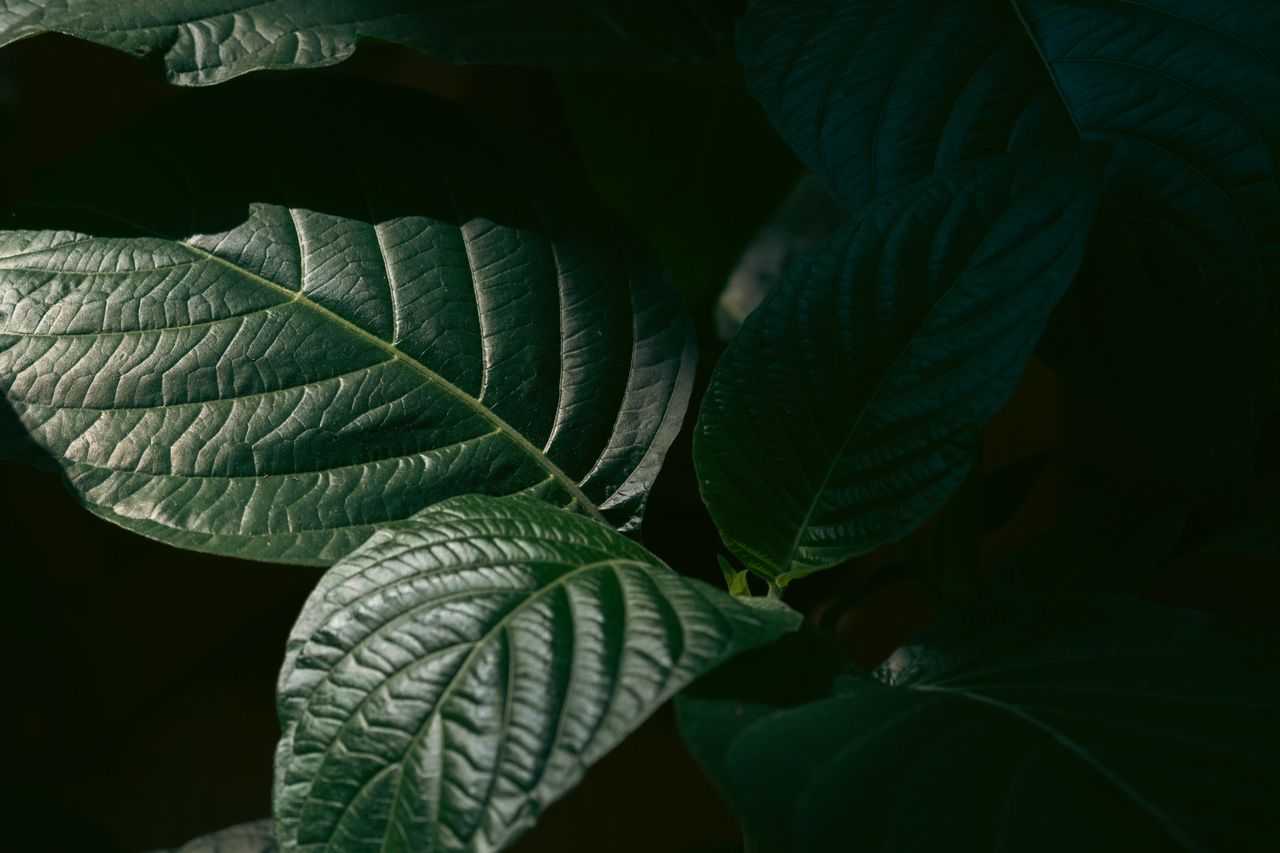
Kratom’s effects are dose-dependent. In a large US online survey of more than 8,000 people who use kratom, respondents mostly reported using it to manage pain and emotional or mental health symptoms, and negative effects such as nausea and constipation became more common at higher and more frequent intake7. Users commonly describe a stimulant-like effect at lower amounts and a sedating, opioid-like effect at higher amounts.
Kanna is usually described as calming and mood-lifting rather than stimulating or sedating, and many users call its effects subtle. In a small brain-imaging study, a single 25 mg dose of a standardised kanna extract reduced amygdala reactivity to fearful faces in 16 healthy volunteers5. That is a change in a laboratory measure of threat processing, not evidence that people feel less anxious in daily life.
Why they are not interchangeable
Sellers sometimes frame kanna as a milder kratom. The mechanisms do not support that framing. Kanna’s alkaloids are not known to act on opioid receptors, so kanna would not be expected to reproduce kratom’s opioid-like effects, and nothing in the published literature suggests it does. Anyone using kratom to manage withdrawal from other opioids should discuss changes with a clinician rather than swap botanicals.
How strong is the evidence for each?
Neither plant has strong clinical evidence behind it, but the gaps are different.
Kratom has a large observational literature: surveys of US users7, community studies in Malaysia8, poison centre data and case reports. Receptor pharmacology is well characterised12, and there are now controlled human pharmacokinetic studies10. What is missing are randomised trials of kratom for any of the purposes people report using it for. Our kratom research overview covers the wider literature.
Kanna has fewer studies, but some are placebo-controlled. Most of them used a single proprietary extract (Zembrin), and several were co-authored by people involved in developing it56. A 2026 critical review of the animal and clinical studies found small samples, healthy volunteer populations rather than people with diagnosed conditions, and inconsistent results, and called for larger trials4.
- Kanna trial results may not apply to raw, fermented or unstandardised kanna products, whose alkaloid content is usually unknown.
- Kratom survey data rely on self-report from people who chose to keep using it, which tends to overstate benefit and understate harm.
Safety, side effects, interactions and drug testing
Kratom
Regular kratom use is associated with dependence. In a survey of 293 regular users in Malaysia, more than half met criteria for severe dependence, and withdrawal symptoms included muscle aches, sleep problems, runny nose and irritability8. See our glossary entries on kratom withdrawal and tolerance for more.
Liver injury is rare but has been reported. A 2020 review applying a formal causality method concluded that kratom likely causes liver injury, based on low-quality human evidence plus animal and mechanistic data, with a typical onset of about three weeks9. Kratom can also affect other drugs: in a controlled study, kratom tea modestly raised blood levels of midazolam, a CYP3A probe drug, but did not change levels of the CYP2D6 probe dextromethorphan10. Our guide to kratom and drug interactions goes into detail.
Kanna
In a three-month placebo-controlled safety trial in 37 healthy adults, a standardised kanna extract was well tolerated, with no meaningful changes in vital signs, ECG or blood tests6. Reported side effects across the literature include headache, stomach upset and drowsiness12. The larger concern is theoretical but grounded in mechanism: because kanna’s alkaloids inhibit serotonin reuptake3, combining it with antidepressants, MAOIs or other serotonergic substances could raise serotonin further. Human interaction studies have not been done.
Combining them
Some sellers discuss stacking kanna with kratom. No study has examined the combination, and kratom’s effect on CYP3A10 means it could plausibly alter levels of other substances taken alongside it.
Drug testing
Kratom alkaloids are not detected by standard workplace immunoassay panels, but laboratories offer specific mitragynine tests. See does kratom show up on a drug test. Kanna alkaloids are not targeted by standard panels, and we found no published evidence that they cause false positives.
Legal status as of September 2026
Kratom, US federal: kratom leaf is not a controlled substance. In July 2026 the DEA published a notice of intent to temporarily place 7-OH in Schedule I when it exceeds 0.050% of dry weight in botanical material, or set limits in processed products; botanical kratom below that threshold is excluded11. At the time of writing, the 7-OH order itself had not been published. Three related semi-synthetic compounds, mitragynine pseudoindoxyl, MGM-15 and MGM-16, were temporarily placed in Schedule I from 26 August 2026 (Federal Register).
Kratom, US states: several states and some cities ban kratom, while others regulate it through Kratom Consumer Protection Acts with age limits and labelling rules. Check our state-by-state kratom guide.
Kanna, US: kanna is not a controlled substance and is sold as a dietary supplement ingredient, with no premarket approval. Louisiana is the one state reported to restrict it expressly, through a law on hallucinogenic plants that names Mesembryanthemum species12.
UK: kratom falls under the Psychoactive Substances Act 2016, so supplying it for human consumption is an offence. Kanna is not a controlled drug, but supplying it for its psychoactive effect may also fall under that Act. Canada: Health Canada has not authorised kratom for ingestion and has seized products sold that way; a standardised kanna extract has been licensed as a natural health product.
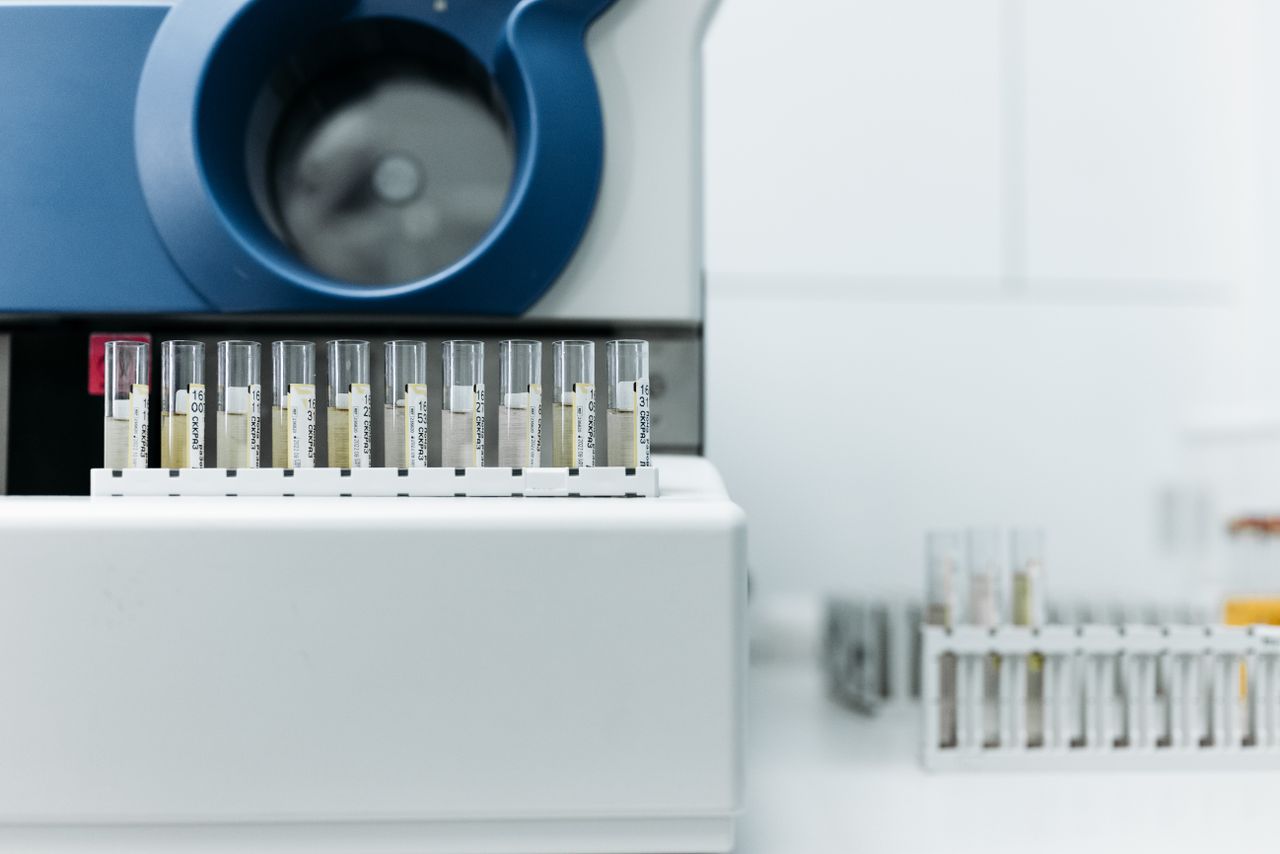
What to check on the label and lab report
For both plants, the label tells you less than the certificate of analysis (COA). Neither is standardised by law, and product-to-product variation in alkaloid content is large4.
Kratom
- A batch-specific COA from an independent laboratory that reports mitragynine and 7-OH separately. Our guide on how to read a kratom COA explains the fields.
- 7-OH results that look like natural leaf rather than a concentrate. Products marketed around 7-OH, or containing mitragynine pseudoindoxyl, are the ones regulators are targeting.
- Heavy metal and microbial testing, not just alkaloid content.
Kanna
- Whether the product is raw plant, fermented plant or a standardised extract. Only standardised extracts state alkaloid content, and trial results apply only to the extract tested.
- A COA naming mesembrine or total mesembrine-type alkaloids. Reports of kanna products adulterated with hordenine and ephedrine make identity testing worth checking12.
- Any language claiming the product treats anxiety or depression. That is a drug claim and a red flag.
Frequently asked questions
Is kanna like kratom?
Not pharmacologically. Kratom’s main alkaloids act on opioid receptors, while kanna’s alkaloids mainly inhibit serotonin reuptake and the PDE4 enzyme13. Users often describe kanna as calming and mood-lifting, and kratom as stimulant-like at lower amounts and opioid-like at higher amounts. They are sold in similar places, but they are not interchangeable and carry different risks.
Is kanna safer than kratom?
Kanna has not shown the dependence and withdrawal problems documented with regular kratom use8, and a three-month trial found a standardised extract well tolerated6. But kanna is far less studied, and its serotonergic action raises interaction concerns with antidepressants. Less evidence of harm is not the same as evidence of safety.
Can you take kanna and kratom together?
No study has tested the combination, so there is no evidence on whether it is safe. Kratom inhibits the CYP3A enzyme in the gut10, which can raise levels of other substances, and kanna acts on serotonin. Anyone taking prescription medicines, especially antidepressants, should speak to a pharmacist or doctor before combining either botanical with anything else.
Is kanna addictive?
There is little research on kanna dependence. Published trials were short and small, and focused on tolerability rather than dependence or withdrawal46. Kratom, by contrast, has survey evidence of dependence and withdrawal in regular users8. The absence of data on kanna means its dependence potential is unknown, not that it is zero.
Will kanna or kratom show up on a drug test?
Standard workplace immunoassay panels do not target either plant. Kratom can be detected with specific mitragynine tests that some employers and treatment programmes order. We found no published evidence that kanna alkaloids trigger false positives on standard panels, but testing for them is possible in specialist laboratories.
Sources
- Kruegel AC, Gassaway MM, Kapoor A, Váradi A, Majumdar S, Filizola M, Javitch JA, Sames D. Synthetic and Receptor Signaling Explorations of the Mitragyna Alkaloids: Mitragynine as an Atypical Molecular Framework for Opioid Receptor Modulators. J Am Chem Soc. 2016;138(21):6754-6764. DOI: 10.1021/jacs.6b00360. PMID: 27192616. pubmed.ncbi.nlm.nih.gov
- Kruegel AC, Uprety R, Grinnell SG, et al. 7-Hydroxymitragynine Is an Active Metabolite of Mitragynine and a Key Mediator of Its Analgesic Effects. ACS Cent Sci. 2019;5(6):992-1001. DOI: 10.1021/acscentsci.9b00141. PMID: 31263758. pubmed.ncbi.nlm.nih.gov
- Harvey AL, Young LC, Viljoen AM, Gericke NP. Pharmacological actions of the South African medicinal and functional food plant Sceletium tortuosum and its principal alkaloids. J Ethnopharmacol. 2011;137(3):1124-1129. DOI: 10.1016/j.jep.2011.07.035. PMID: 21798331. pubmed.ncbi.nlm.nih.gov
- de Jong M, van Niekerk S, Hamman J, van der Kooy F. Mesembryanthemum tortuosum and Zembrin: Mixed Evidence from In vivo Animal and Clinical Studies on their Antidepressant and Anxiolytic Effects. Planta Med. 2026;92(8):806-823. DOI: 10.1055/a-2809-5144. PMID: 41771298. pubmed.ncbi.nlm.nih.gov
- Terburg D, Syal S, Rosenberger LA, et al. Acute effects of Sceletium tortuosum (Zembrin), a dual 5-HT reuptake and PDE4 inhibitor, in the human amygdala and its connection to the hypothalamus. Neuropsychopharmacology. 2013;38(13):2708-2716. DOI: 10.1038/npp.2013.183. PMID: 23903032. pubmed.ncbi.nlm.nih.gov
- Nell H, Siebert M, Chellan P, Gericke N. A randomized, double-blind, parallel-group, placebo-controlled trial of Extract Sceletium tortuosum (Zembrin) in healthy adults. J Altern Complement Med. 2013;19(11):898-904. DOI: 10.1089/acm.2012.0185. PMID: 23441963. pubmed.ncbi.nlm.nih.gov
- Grundmann O. Patterns of Kratom use and health impact in the US: Results from an online survey. Drug Alcohol Depend. 2017;176:63-70. DOI: 10.1016/j.drugalcdep.2017.03.007. PMID: 28521200. pubmed.ncbi.nlm.nih.gov
- Singh D, Müller CP, Vicknasingam BK. Kratom (Mitragyna speciosa) dependence, withdrawal symptoms and craving in regular users. Drug Alcohol Depend. 2014;139:132-137. DOI: 10.1016/j.drugalcdep.2014.03.017. PMID: 24698080. pubmed.ncbi.nlm.nih.gov
- Schimmel J, Dart RC. Kratom (Mitragyna Speciosa) Liver Injury: A Comprehensive Review. Drugs. 2020;80(3):263-283. DOI: 10.1007/s40265-019-01242-6. PMID: 31919755. pubmed.ncbi.nlm.nih.gov
- Tanna RS, Nguyen JT, Hadi DL, et al. Clinical Assessment of the Drug Interaction Potential of the Psychotropic Natural Product Kratom. Clin Pharmacol Ther. 2023;113(6):1315-1325. DOI: 10.1002/cpt.2891. PMID: 36924284. pubmed.ncbi.nlm.nih.gov
- Drug Enforcement Administration. Schedules of Controlled Substance: Temporary Placement of 7-Hydroxymitragynine Above a Specified Threshold in Schedule I (notice of intent). Federal Register. 6 July 2026. Document 2026-13580. federalregister.gov
- Majewska B, Kappel J, George A. Kava and Kanna: Regulation, Safety, and Market Trends for Novel Ingredients. Vicente LLP. 25 February 2026. vicentellp.com
Editorial note: This article is for general information only and is not medical or legal advice. Kratom and kanna have not been evaluated by the FDA to diagnose, treat, cure or prevent any disease. Laws vary by location and change often, so verify the rules that apply where you are. Always talk to a licensed healthcare provider before use, especially if you are under 21, pregnant or nursing, taking medication, or managing a health condition.
More comparisons
-
Green Malay vs Green Maeng Da Kratom: What the Labels Really Tell You
-
Borneo vs Bali Kratom: What the Labels Mean and What Lab Data Shows
-
Kratom Capsules vs Powder: Same Leaf, Different Trade-offs
-
Red vs White Kratom: Relaxing vs Energising, and What Tests Show
-
Maeng Da vs Bali Kratom: Strain Names, Lab Data and What Differs