
Topic hub · Research Peptides
Research Peptides: BPC-157, GLP-1s and the 2026 Rules
Research peptides are short amino-acid chains such as BPC-157, TB-500 and GHK-Cu sold as laboratory reagents labelled 'research use only', not as approved medicines. This hub covers what the evidence on each peptide shows, the 2026 FDA compounding vote, approved GLP-1 drugs and pipeline candidates, and how to read a peptide certificate of analysis.
Start with the explainers on peptide types and research-use-only labelling, then use the clusters for BPC-157, GLP-1 weight-loss drugs, growth hormone peptides or NAD+. We separate animal data from human trials, cite FDA, PubMed and company trial releases, and date regulatory facts. We do not give dosing or sourcing advice for human use.
Start here
Essential Research Peptides guides
The six articles we would read first: the basics, the law, safety and how to judge a product.
Research Peptides Explained: 6 Types Compared
How the common peptide classes differ in structure, evidence and legal status.
Read the guide → LawResearch Peptides and the 503A Vote
What FDA's July 2026 advisory vote decided, and what it did not change.
Read the guide → SafetyBPC-157 Side Effects and Safety
What animal studies and the sparse human data show, and the unknowns that remain.
Read the guide → NewsWeight-Loss Peptides in 2026
Oral GLP-1 approvals, retatrutide trial data and the end of compounded semaglutide.
Read the guide → ComparisonSemaglutide vs Tirzepatide
What the head-to-head trials measured, found and reported for side effects.
Read the guide →How to Read a Peptide COA
HPLC purity, mass spectrometry and endotoxin testing, section by section.
Coming 28 OctKey facts, 25 October 2026
Research Peptides at a glance
FDA approval
None for BPC-157 or TB-500Peptides sold as 'research use only' are not approved or intended for human or veterinary use.
503A compounding vote
Advisers backed 6 of 7FDA panel, 23–24 July 2026. Non-binding; nothing added to the bulks list yet and rulemaking is required.
Oral GLP-1s
Two pills FDA-approvedFoundayo (orforglipron) and the Wegovy pill; self-pay roughly $149–$299 a month (Ro, August 2026).
Retatrutide
Unapproved; filing planned 2027Lilly reported further positive Phase 3 TRIUMPH results and plans an FDA submission in the first quarter of 2027.
Research peptide rules and labelling
What 'research use only' means, how the 503A bulks list works and what FDA's 2026 advisory vote changed.
GLP-1 and weight-loss peptides
Approved GLP-1 drugs and pipeline candidates compared on trial data, safety and legal status.
- Weight-Loss Peptides in 2026: Oral GLP-1s and Retatrutide
- GLP-1, GLP-2, GLP-3: A Research Comparison
- Semaglutide vs Tirzepatide: What the Head-to-Head Trials Show
- Semaglutide vs Liraglutide: Weekly vs Daily GLP-1s
- Retatrutide vs Tirzepatide: Phase 3 Data, Safety and Legal Status
- Retatrutide vs Semaglutide: Trial Data, Safety and Legal Status
- Foundayo (Orforglipron) vs the Wegovy Pill
BPC-157 and recovery peptides
BPC-157, TB-500 and GHK-Cu: the animal evidence, the thin human data and the safety unknowns.
Growth hormone and nootropic peptides
Ipamorelin, CJC-1295, sermorelin, Selank and Semax compared on mechanism, evidence and regulatory status.
NAD+ and its precursors
What the evidence supports for NAD+ drips and injections, and how NR, NMN and niacin compare.
Lab testing and suppliers
How to read peptide purity, identity and endotoxin results, and how suppliers compare on documentation.
- How to Read a Peptide COA: HPLC, Mass Spec and Endotoxin TestingComing 28 Oct
- Best Research Peptide Suppliers of 2026Coming 29 Oct
Newest first
Latest Research Peptides articles
-
Best Research Peptide Suppliers of 2026: Where to Buy Peptides With Real Third-Party Testing
-
How to Read a Peptide COA: HPLC Purity, Mass Spec and Endotoxin Testing Explained
-
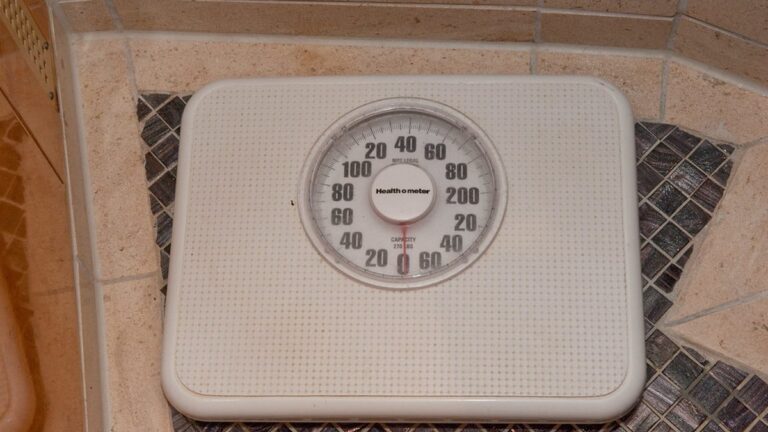
What Happens When You Stop Zepbound or Wegovy? Weight Regain, Appetite and Off-Ramps
-

Zepbound and Birth Control Pills: Why Tirzepatide Can Lower Contraceptive Protection
-
The ‘Wolverine’ Peptide Stack: BPC-157 and TB-500 Together, on the Evidence
-
KLOW Peptide Blend: What’s in It and What the Evidence Shows
-
Foundayo (Orforglipron) vs the Wegovy Pill: Two Obesity Pills Compared
-
GHK-Cu vs BPC-157: Copper Peptide and Gastric Peptide Compared
-
Ipamorelin vs Sermorelin: Two Growth Hormone Peptides on the Evidence
Questions
Research Peptides: frequently asked questions
What are research peptides?
Research peptides are short chains of amino acids, such as BPC-157, TB-500 and GHK-Cu, sold as laboratory reagents labelled 'research use only', meaning not for human or veterinary use. They are not FDA-approved drugs, and the label does not mean a product has been tested for safety in people or made to pharmaceutical standards.
Is BPC-157 legal?
BPC-157 is not FDA-approved for any use and is not on the 503A bulks list, so it cannot currently be routinely compounded. In July 2026 an FDA advisory committee voted 8 to 6 to recommend adding it, but the vote is non-binding and rulemaking with a public comment period would come first. It is sold only as a research chemical.
What did the FDA peptide advisory vote decide?
On 23 and 24 July 2026 FDA's Pharmacy Compounding Advisory Committee reviewed seven peptides. It recommended adding BPC-157, KPV, TB-500, MOTS-c, Semax and Epitalon to the 503A bulks list and rejected emideltide (DSIP). FDA staff had recommended against all seven, and nothing has been added to the list yet.
Are there GLP-1 pills for weight loss?
Yes. Foundayo (orforglipron) from Lilly and the Wegovy pill (oral semaglutide) from Novo Nordisk are FDA-approved. Self-pay prices listed by Ro in August 2026 ranged from roughly $149 to $299 a month depending on the product and strength. Retatrutide, a triple agonist, remains unapproved, with an FDA filing planned for early 2027.
How can I tell if a research peptide is pure?
Ask for a batch-specific certificate of analysis from an independent lab showing HPLC purity, mass spectrometry confirming the expected molecular weight, and ideally endotoxin results. Check that the batch number matches the vial and that the report is dated. Purity testing confirms what is in the vial; it does not make a peptide safe for human use.
Keep exploring
Related topic hubs
Research a brand
Check a brand before you buy
Our directory lists brands with public, batch-level lab reports. A listing is not an endorsement, and editorial coverage is independent of paid placements.
How we work: every article cites primary sources (peer-reviewed studies, FDA and DEA documents, the Federal Register and state law), says where the evidence is thin, and is dated so you can see when the legal picture was last checked. Nothing here is medical or legal advice. Read our editorial policy.