
Topic hub · Mushrooms
Mushroom Supplements: Functional Mushroom Research and Guides
Functional mushrooms are non-psychoactive fungi such as lion's mane, reishi, cordyceps, chaga, turkey tail and shiitake, sold as supplements, gummies and drinks. This hub reviews what human trials of mushroom supplements show, where products fall short of their labels, and how Amanita muscaria and psilocybin mushrooms are regulated.
Begin with our evidence overviews, then compare individual species or read the lion's mane coverage. We report how many people each trial enrolled and for how long, flag case reports of harm, and explain label issues such as missing species or weak extracts. No mushroom supplement is FDA-approved to treat any condition.
Start here
Essential Mushrooms guides
The six articles we would read first: the basics, the law, safety and how to judge a product.
Functional Mushrooms in 2026: What the Evidence Supports
Market growth, label problems, safety signals and the evidence for each major species.
Read the guide → Guide9 Functional Mushrooms and What the Research Says
Species by species: the compounds, the human trials and what remains unknown.
Read the guide → NewsLion's Mane in 2026: New Trials and Cognition Claims
The latest trials, how big they were and what cognition claims really rest on.
Read the guide → SafetyLion's Mane Side Effects: What Trials Report
Adverse events in human trials and case reports, and the gaps in the safety record.
Read the guide → LawAmanita Muscaria in 2026: FDA Position and State Laws
FDA's food stance, state rules and what muscimol research shows.
Read the guide → Buying guideBest Lion's Mane Supplements of 2026
Brands ranked on testing, extract disclosure and label accuracy.
Read the guide →Key facts, 25 October 2026
Mushrooms at a glance
Regulatory status
Sold as dietary supplementsFDA does not approve supplements before sale; companies are responsible for safety and accurate labels.
Amanita muscaria
Not authorised in foodFDA, 18 December 2024: not GRAS and an unapproved food additive in conventional foods.
Psilocybin mushrooms
Schedule I federallyA separate, controlled category. Functional species such as lion's mane and reishi are not psychoactive.
Human evidence
Mostly small, short trialsLion's mane, reishi and cordyceps trials are generally small with mixed results; chaga has almost no trial data.
Functional mushroom evidence
Overviews of the mushroom supplement market, the human research for each species and what gummies actually contain.
- Functional Mushrooms in 2026: Market Boom, Label Problems and Evidence
- 9 Functional Mushrooms and What the Research Actually Says
- Do Mushroom Gummies Work? What's in Them and What the Evidence ShowsComing 3 Nov
Lion's mane
The trials, side effects, product rankings and comparisons for the most popular functional mushroom.
- Lion's Mane in 2026: New Trials, the Market and Cognition Claims
- Lion's Mane Side Effects: What Human Trials Actually Report
- Best Lion's Mane Supplements of 2026: Brands Ranked on Testing
- Bacopa vs Lion's Mane: What the Memory and Cognition Trials Show
- Lion's Mane vs Cordyceps: How the Two Mushrooms Differ
Reishi, chaga, turkey tail, shiitake and cordyceps
Head-to-head comparisons of compounds, human evidence and safety signals, including kidney and liver case reports.
Amanita, psilocybin and 'mushroom' gummies
How psychoactive mushrooms and mushroom-branded edibles differ from functional species in chemistry, risk and law.
Newest first
Latest Mushrooms articles
-
Do Mushroom Gummies Work? What’s Actually in Them and What the Evidence Shows
-
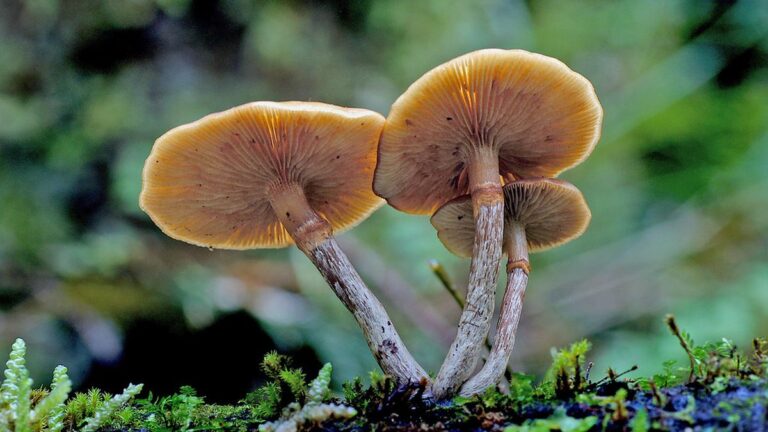
Does Microdosing Psilocybin Work? What Placebo-Controlled Trials Show
-
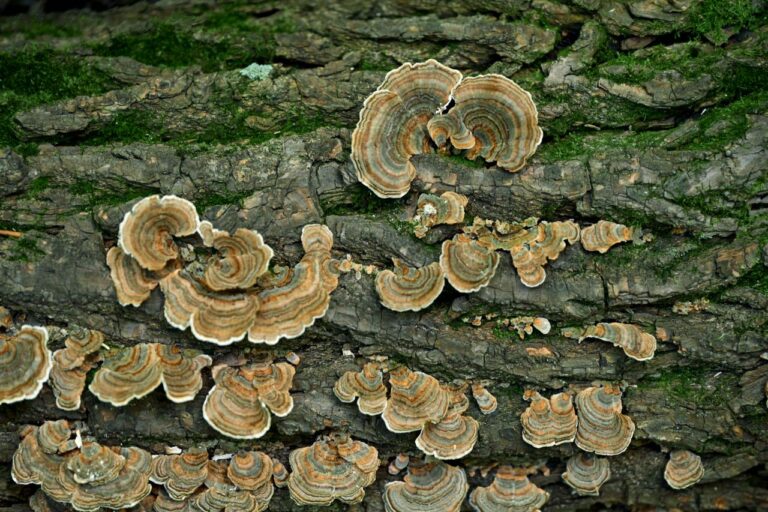
Turkey Tail vs Reishi: PSK, Cochrane Evidence and Safety Compared
-
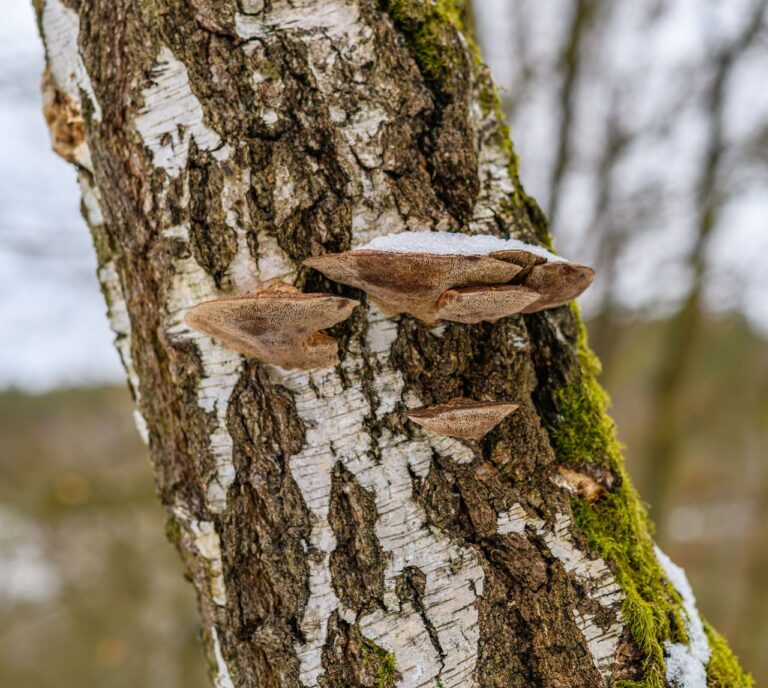
Chaga vs Reishi: Evidence, Kidney and Liver Risks, and Label Traps
-
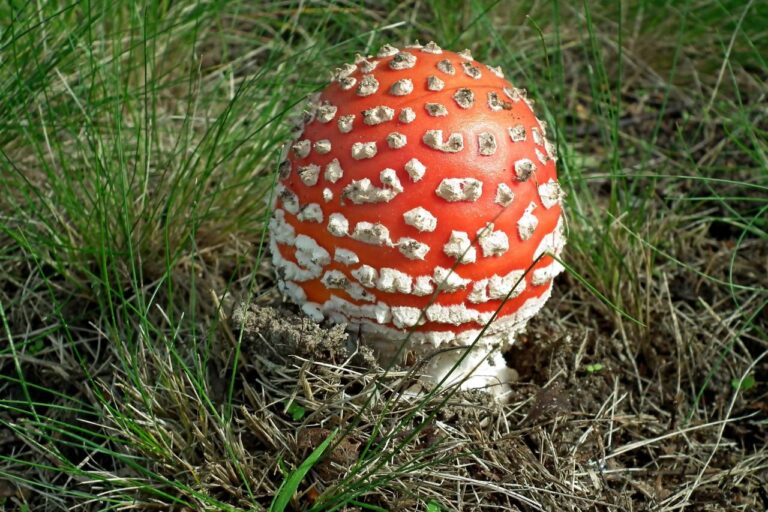
Amanita Muscaria vs Psilocybin Mushrooms: Chemistry, Risks and Law
-
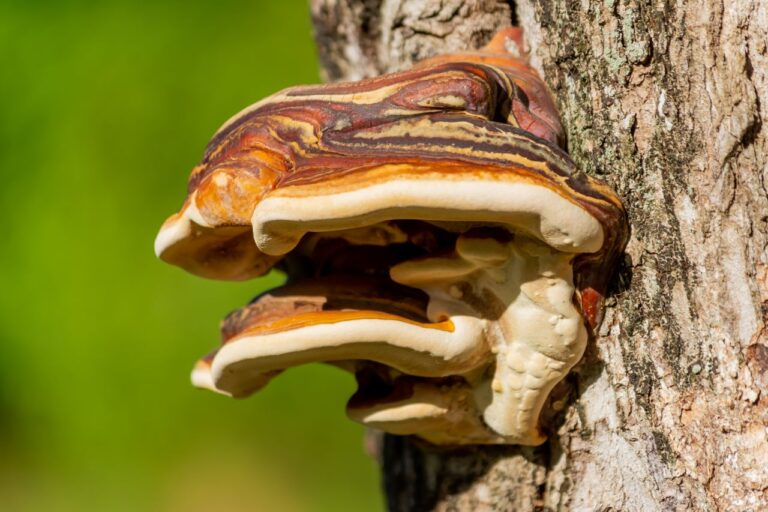
Reishi vs Lion’s Mane: Compounds, Evidence and Safety Compared
-
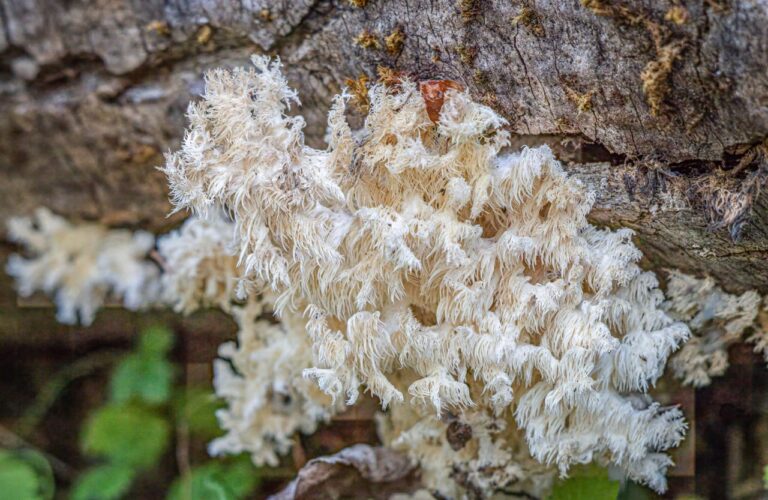
Lion’s Mane vs Cordyceps: How the Two Mushrooms Differ on the Evidence
-
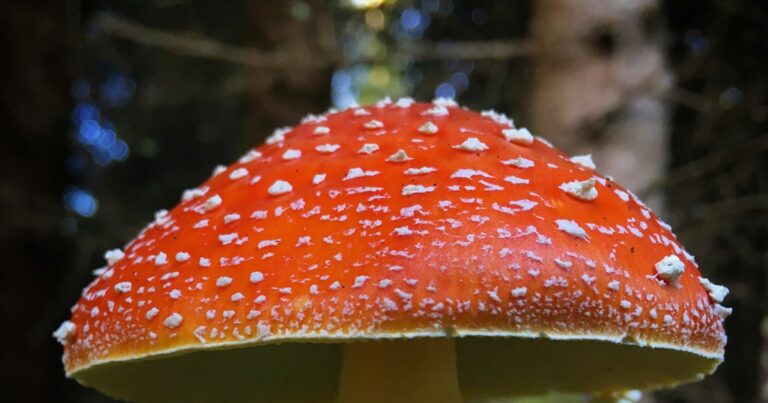
Amanita Muscaria in 2026: The FDA’s Position, State Laws and What Muscimol Research Shows
-
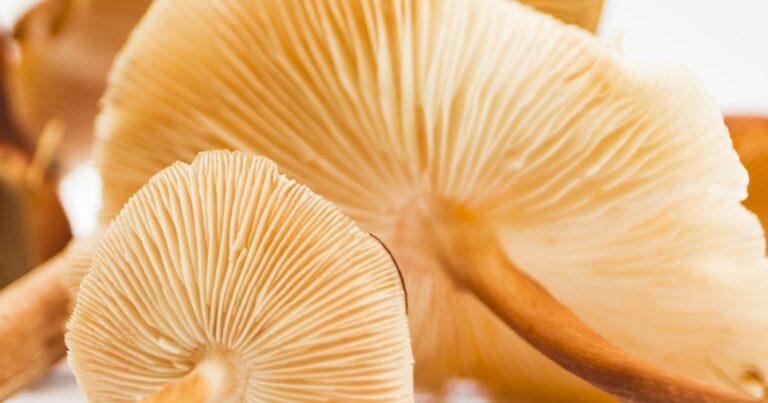
Functional Mushrooms in 2026: Market Boom, Label Problems and What the Evidence Supports
Questions
Mushrooms: frequently asked questions
What are functional mushrooms?
Functional mushrooms are edible or traditionally used fungi such as lion's mane, reishi, cordyceps, chaga, turkey tail and shiitake, sold as powders, capsules, gummies and drinks for compounds such as beta-glucans. They are not psychoactive. In the United States they are sold as foods or dietary supplements, not as approved medicines.
Do mushroom supplements actually work?
The evidence is mixed and mostly early. Human trials of lion's mane, reishi and cordyceps are generally small and short, and results often have not been replicated. Product quality also varies: independent testing has found products with less of the claimed compounds than expected, or the wrong species. Our reviews report trial sizes and what remains unknown.
Are lion's mane supplements safe?
Published human trials report few side effects, mostly mild digestive complaints, but most enrolled fewer than 50 people for a few months. More serious signals come from case reports, including contact dermatitis and one case of drug-induced lung injury. The record looks unremarkable so far, but it is too thin to rule out uncommon harms.
Is Amanita muscaria legal?
Amanita muscaria is not a federally controlled substance, unlike psilocybin mushrooms, which are Schedule I. However, FDA said in December 2024 that Amanita muscaria and its constituents are not GRAS and are not authorised for use in conventional food, and it advises people not to eat foods containing them. Some states add their own restrictions.
How do I choose a mushroom supplement?
Check that the label names the species in Latin, states whether it uses fruiting body or mycelium, and gives a measured figure for compounds such as beta-glucans. Ask for a batch certificate of analysis covering heavy metals and microbes. Treat any product claiming to treat or cure a disease as a red flag.
Keep exploring
Related topic hubs
Research a brand
Check a brand before you buy
Our directory lists brands with public, batch-level lab reports. A listing is not an endorsement, and editorial coverage is independent of paid placements.
How we work: every article cites primary sources (peer-reviewed studies, FDA and DEA documents, the Federal Register and state law), says where the evidence is thin, and is dated so you can see when the legal picture was last checked. Nothing here is medical or legal advice. Read our editorial policy.