
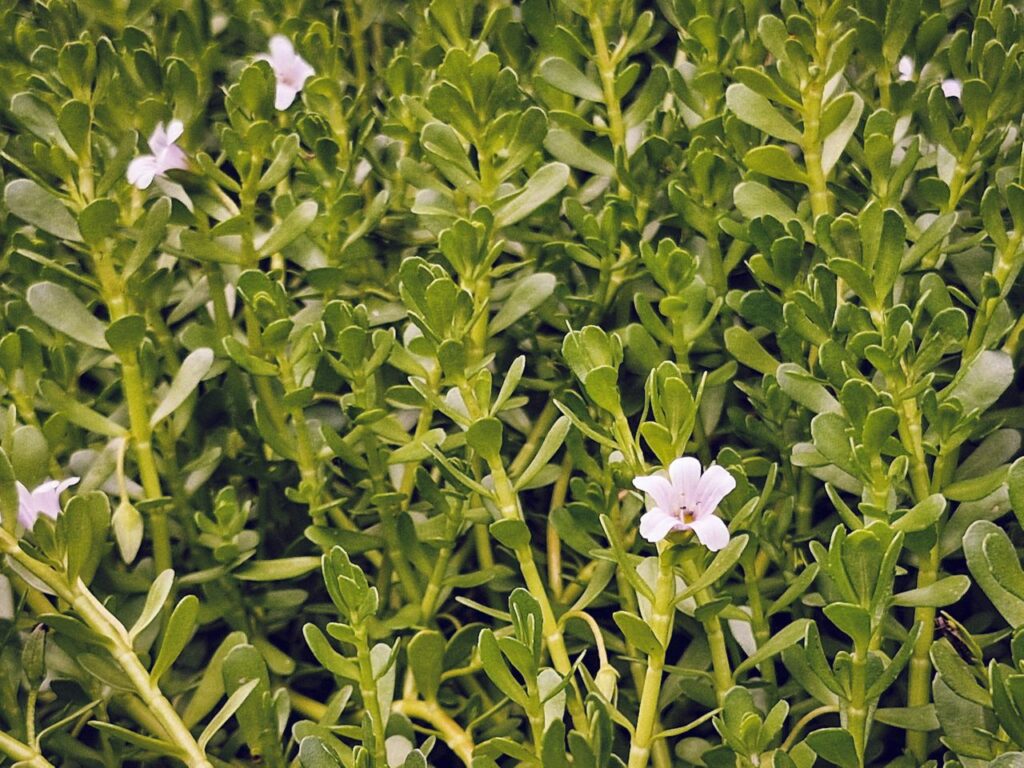
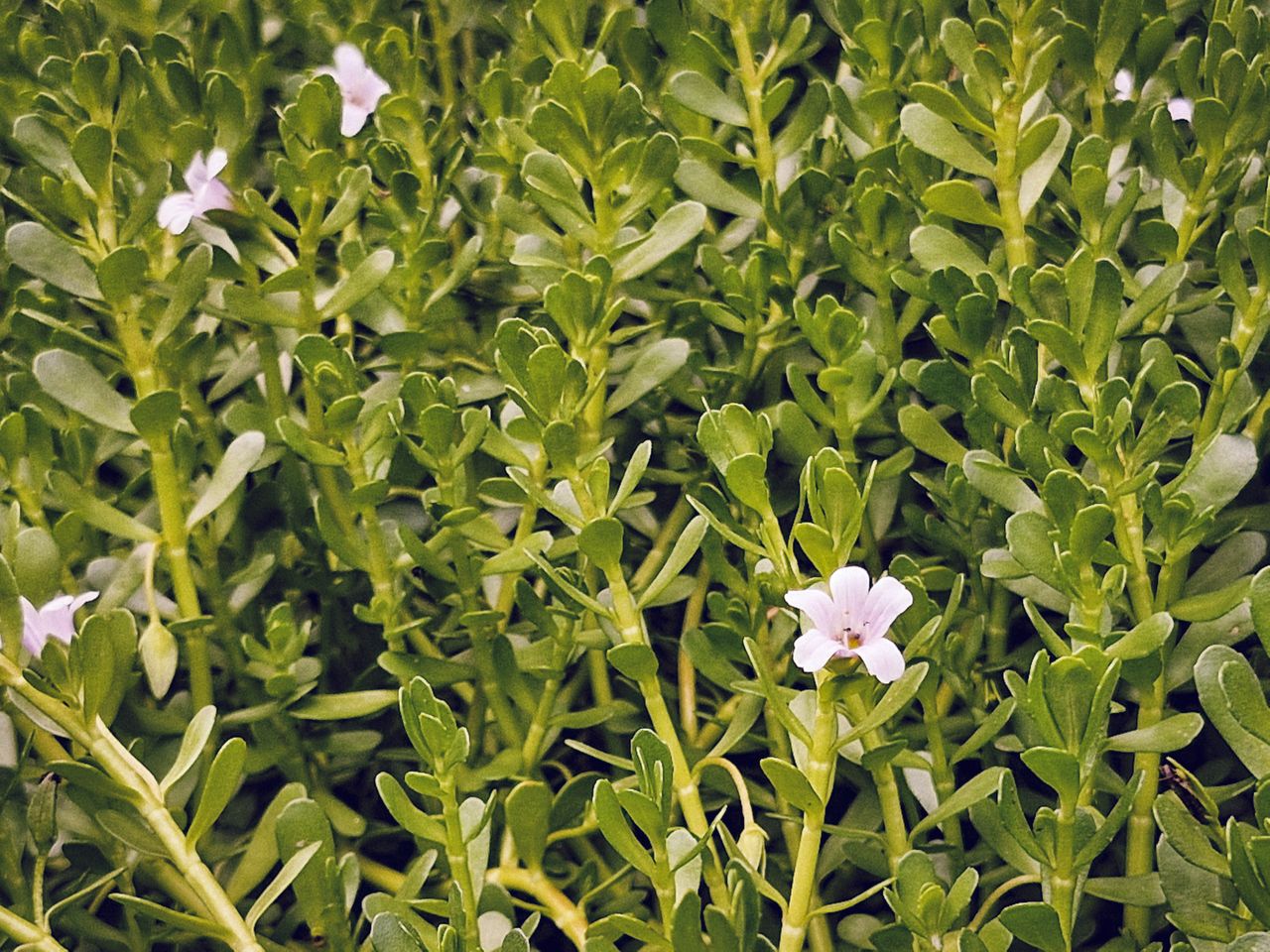
Bacopa (Bacopa monnieri) is a creeping wetland herb from Ayurvedic medicine, studied mainly for memory over 12-week courses. Lion’s mane (Hericium erinaceus) is an edible mushroom whose compounds stimulate nerve growth factor in laboratory studies, with only a few small human trials. Bacopa has the larger evidence base; lion’s mane has the more speculative mechanism.1212
They are often sold together in “brain” blends, and ranking pages tend to present them as interchangeable memory aids. The trials say otherwise: they studied different people, different outcomes and very different preparations.
This comparison covers what each is, what human studies measured, how reliable those studies are, side effects, and the labelling issue that matters most for lion’s mane: whether you are buying fruiting body or mycelium.
At a glance
| Property | Bacopa | Lion’s mane |
|---|---|---|
| What it is | Ayurvedic herb (Bacopa monnieri) | Edible mushroom (Hericium erinaceus) |
| Compounds of interest | Bacosides (saponins) | Hericenones (fruiting body), erinacines (mycelium) |
| Main human outcome | Memory free recall, attention speed | Cognitive scores in MCI; small tests in young adults |
| Typical trial length | 12 weeks or more | Single dose to 49 weeks |
| Trial volume | 9 RCTs in a 2014 meta-analysis | A handful of small RCTs |
| Common side effects in trials | Nausea, cramps, more frequent stools | Few reported; isolated case reports |
| Onset in studies | Effects measured after weeks | Some tests changed 60 to 90 minutes after one dose |
| US status | Dietary supplement | Dietary supplement |
| EU note | Botanical rules vary by country | Fruiting body not novel; mycelium powder judged novel |
| Canada | In Health Canada cognitive function monograph | Not in that monograph |
What bacopa and lion’s mane are
Bacopa monnieri, sometimes called brahmi or water hyssop, is a small herb used in Ayurvedic tradition for memory. Supplements are usually extracts standardised to bacosides, the saponins most often linked to its effects. Research extracts have varied, with three different extracts used across the trials in one review.2
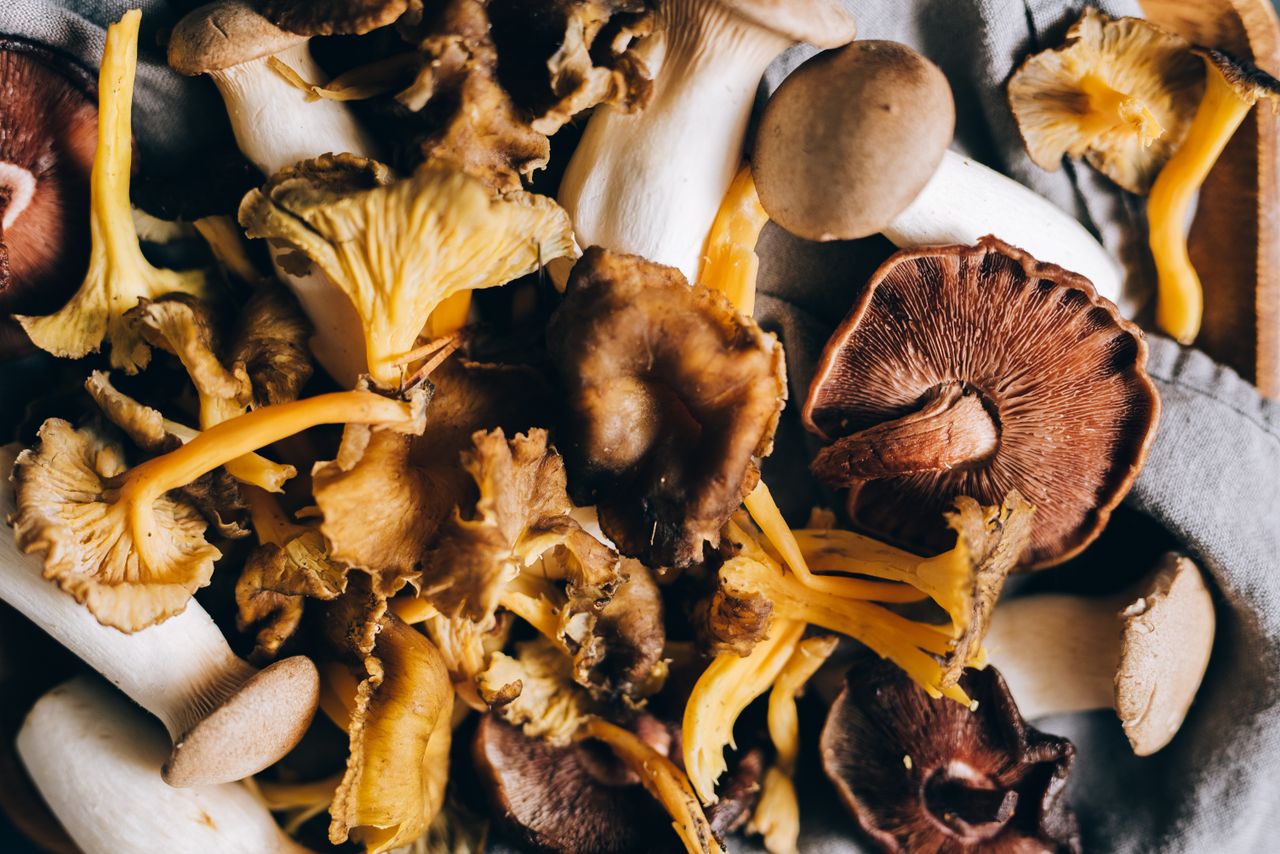
Lion’s mane is a white, shaggy mushroom eaten as food in East Asia and increasingly in Europe. Two groups of compounds get attention: hericenones, found in the fruiting body, and erinacines, found mainly in the mycelium (the root-like growth). In laboratory studies the mushroom stimulates nerve growth factor synthesis, and one trial tracked BDNF as a blood marker, but reviewers stress that clinical validation remains limited.127
Why the part of the mushroom matters
Fruiting body and mycelium are not interchangeable. A Spanish food safety assessment concluded that dried lion’s mane mycelium powder has a different composition and active substances from the fruiting body and has no history of significant EU consumption before 1997.9 Some products are made from mycelium grown on grain, and the grain can end up in the finished powder, diluting the mushroom content. Our guide to functional mushroom label problems explains how to spot this.
What the human trials measured
Bacopa
A 2012 systematic review of six 12-week trials in adults without dementia found bacopa improved memory free recall on 9 of 17 tests, with little evidence for other cognitive domains.2 A 2014 meta-analysis of nine trials (518 participants) found faster performance on the Trail Making B test and shorter choice reaction times, suggesting an effect on speed of attention.1
A representative trial randomised 98 healthy Australians over 55 to a bacopa extract (300 mg a day) or placebo for 12 weeks; 81 completed it. The bacopa group did better on verbal learning and delayed recall, but not on several other tests.3
Lion’s mane
One widely cited trial enrolled 30 Japanese adults aged 50 to 80 with mild cognitive impairment. Those taking fruiting-body tablets for 16 weeks scored higher on a dementia rating scale than placebo, but scores fell again within four weeks of stopping.4
In healthy young adults, results are mixed. A UK pilot trial of 41 people found quicker Stroop performance 60 minutes after a single 1.8 g dose and a non-significant trend towards lower stress after 28 days, alongside null findings.5 Another small crossover study of 18 adults found no overall effect on cognition or mood after one dose of a fruiting-body extract, with improvement on only one motor test; two authors worked for a company using lion’s mane in its products.6
A 49-week Taiwanese pilot trial in people with mild Alzheimer’s disease used an erinacine A-enriched mycelium product and reported better scores on some cognitive scales than placebo.7 It was a pilot study and used a specialised mycelium preparation that is not what most supplements contain.
The key trials at a glance
| Study | Who | Preparation and length | Main finding |
|---|---|---|---|
| Morgan and Stevens 20103 | 98 healthy adults over 55 | Bacopa extract, 12 weeks | Better verbal learning and delayed recall; more digestive side effects |
| Kongkeaw 2014 meta-analysis1 | 9 trials, 518 people | Standardised bacopa extracts, 12 weeks or more | Faster attention measures |
| Mori 20094 | 30 adults aged 50 to 80 with MCI | Lion’s mane fruiting-body tablets, 16 weeks | Higher cognitive scores; faded after stopping |
| Docherty 20235 | 41 healthy adults aged 18 to 45 | Lion’s mane, single dose and 28 days | Faster Stroop at 60 minutes; stress trend not significant |
| Surendran 20256 | 18 healthy adults aged 18 to 35 | Fruiting-body extract, single dose | No overall effect; one motor test improved |
More on the newer lion’s mane research is in our 2026 review of lion’s mane trials.
How they differ in practice, as reported
The trials hint at different time courses. Bacopa studies measure effects after 12 weeks of daily use, and the main reviews included only trials of that length or longer.12 Two lion’s mane studies found changes on individual tests within 60 to 90 minutes of a single dose, though neither found broad benefits.56
User reports tend to match that pattern: people describe bacopa as something they notice, if at all, after weeks, and some report tiredness or stomach upset. Lion’s mane users often report subtle or no noticeable effects. These are anecdotal accounts, and expectation plays a large role with both.
Because bacopa’s side effects are mainly digestive, some users take it with food. That practice is common in user reports but has not been formally tested.
Evidence quality compared
- Bacopa: the stronger base of the two. Several randomised, placebo-controlled trials of at least 12 weeks, generally rated as low risk of bias, with modest effects concentrated in memory recall and attention speed. The 2014 meta-analysis called for a large head-to-head trial with a standardised preparation before any firm conclusion.12
- Lion’s mane: promising preclinical work but few human trials, all small, using different preparations (fruiting-body powder, extracts, erinacine-enriched mycelium) and different outcomes.4567
- Head to head: no trials compare them, and no trial has tested the combination.
Effect sizes matter too. The bacopa meta-analysis found statistically significant but small gains in reaction-time and trail-making speed, the kind of difference that shows up on a lab test rather than one most people would notice day to day.1 The lion’s mane trial in older adults used a dementia screening scale, which says little about healthy users.4
The nerve growth factor story behind lion’s mane is biologically interesting, but it has not yet been shown to translate into reliable cognitive effects in people. A 2025 review concluded that clinical validation remains limited and called for large trials with standardised extracts.12
Safety, side effects and interactions
Bacopa
Digestive effects are the most consistent finding. In the Australian trial of older adults, bacopa caused more frequent stools, abdominal cramps and nausea than placebo.3 Evidence on use in pregnancy and on drug interactions is limited, so people on prescription medicines should check with a pharmacist.
Lion’s mane
Trials have reported few adverse effects; in the Taiwanese trial four participants dropped out because of abdominal discomfort, nausea or skin rash.7 A 2003 Japanese case report described acute respiratory distress syndrome in a 63-year-old man that the authors linked to a lion’s mane extract.8 Anyone with mushroom allergies should be cautious. Our page on lion’s mane side effects covers reported reactions in more detail.
Neither is a target of standard drug tests.
Legal status and what to check on the label
United States: both are sold as dietary supplements, which means no FDA review of efficacy before sale. Labels may carry structure/function claims but not claims to treat or prevent disease.
EU and UK: Great Britain kept the same novel food framework after Brexit. Lion’s mane fruiting body has a history of food use in the EU,9 and a Finnish assessment found a hot-water fruiting-body extract was not a novel food.10 Dried mycelium powder, by contrast, was judged novel, meaning it needs authorisation before sale as food.9 Rules on botanicals such as bacopa in supplements are set nationally and vary.
Canada: bacopa is one of the ingredients in Health Canada’s Cognitive Function Products monograph, updated January 2026, which sets a standardised extract at 40 to 55% bacosides; lion’s mane is not listed in it.11 Look for an eight-digit NPN.
Label checklist
- Bacopa: look for a stated bacoside percentage and extract ratio; trials used standardised extracts, and Health Canada’s monograph sets 40 to 55% bacosides for standardised extracts.211
- Lion’s mane: check whether it says fruiting body, mycelium or “mycelium on grain”, and whether beta-glucan content is tested.
- Blends: proprietary blends rarely disclose individual amounts; see signs a brand is third-party tested.
- Claims: products claiming to treat dementia or memory loss are making unlawful drug claims.
Frequently asked questions
Is bacopa or lion’s mane better for memory?
Bacopa has more evidence, with several 12-week placebo-controlled trials and meta-analyses showing modest improvements in memory recall and attention speed. Lion’s mane has only a few small trials, mostly in people with mild cognitive impairment or in small groups of young adults, with mixed results. Neither has been compared directly.124
Can you take bacopa and lion’s mane together?
They are often combined in commercial blends, but no published trial has tested the combination for benefit or safety. Bacopa’s main known side effects are digestive, and lion’s mane occasionally causes allergic or digestive reactions, so combining them makes it harder to identify the cause of any problem.37
How long does bacopa take to work?
The trials that found memory benefits measured them after about 12 weeks of daily use, and reviews included only studies of that length. There is little evidence that a single dose produces noticeable memory effects, so short-term impressions are hard to interpret.12
Does lion’s mane work straight away?
Two small trials in young adults found changes on a single test 60 to 90 minutes after one dose, but neither found broad improvements in cognition or mood. The trial in older adults with mild cognitive impairment measured effects over 16 weeks, and the benefits faded after people stopped taking it.456
What are the side effects of bacopa?
In trials, the most common side effects were digestive: nausea, abdominal cramps and more frequent stools. Some users also report tiredness. Evidence on pregnancy and drug interactions is limited, so check with a pharmacist first if you take any prescription medicines.3
Sources
- Kongkeaw C, Dilokthornsakul P, Thanarangsarit P, Limpeanchob N, Norman Scholfield C. Meta-analysis of randomized controlled trials on cognitive effects of Bacopa monnieri extract. J Ethnopharmacol. 2014;151(1):528-535. DOI: 10.1016/j.jep.2013.11.008. PMID: 24252493. pubmed.ncbi.nlm.nih.gov
- Pase MP, Kean J, Sarris J, Neale C, Scholey AB, Stough C. The cognitive-enhancing effects of Bacopa monnieri: a systematic review of randomized, controlled human clinical trials. J Altern Complement Med. 2012;18(7):647-652. DOI: 10.1089/acm.2011.0367. PMID: 22747190. pubmed.ncbi.nlm.nih.gov
- Morgan A, Stevens J. Does Bacopa monnieri improve memory performance in older persons? Results of a randomized, placebo-controlled, double-blind trial. J Altern Complement Med. 2010;16(7):753-759. DOI: 10.1089/acm.2009.0342. PMID: 20590480. pubmed.ncbi.nlm.nih.gov
- Mori K, Inatomi S, Ouchi K, Azumi Y, Tuchida T. Improving effects of the mushroom Yamabushitake (Hericium erinaceus) on mild cognitive impairment: a double-blind placebo-controlled clinical trial. Phytother Res. 2009;23(3):367-372. DOI: 10.1002/ptr.2634. PMID: 18844328. pubmed.ncbi.nlm.nih.gov
- Docherty S, Doughty FL, Smith EF. The acute and chronic effects of lion’s mane mushroom supplementation on cognitive function, stress and mood in young adults: a double-blind, parallel groups, pilot study. Nutrients. 2023;15(22):4842. DOI: 10.3390/nu15224842. PMID: 38004235. pubmed.ncbi.nlm.nih.gov
- Surendran G, Saye J, Binti Mohd Jalil S, et al. Acute effects of a standardised extract of Hericium erinaceus (lion’s mane mushroom) on cognition and mood in healthy younger adults: a double-blind randomised placebo-controlled study. Front Nutr. 2025;12:1405796. DOI: 10.3389/fnut.2025.1405796. PMID: 40276537. pubmed.ncbi.nlm.nih.gov
- Li IC, Chang HH, Lin CH, et al. Prevention of early Alzheimer’s disease by erinacine A-enriched Hericium erinaceus mycelia pilot double-blind placebo-controlled study. Front Aging Neurosci. 2020;12:155. DOI: 10.3389/fnagi.2020.00155. PMID: 32581767. pubmed.ncbi.nlm.nih.gov
- Nakatsugawa M, Takahashi H, Takezawa C, et al. Hericium erinaceum (yamabushitake) extract-induced acute respiratory distress syndrome monitored by serum surfactant proteins. Intern Med. 2003;42(12):1219-1222. DOI: 10.2169/internalmedicine.42.1219. PMID: 14714963. pubmed.ncbi.nlm.nih.gov
- Spanish Agency for Food Safety and Nutrition (AESAN). Consultation on novel food status: Hericium erinaceus dehydrated mycelium powder. 29 October 2019. European Commission. food.ec.europa.eu
- Finnish Food Authority. Consultation on novel food status: extract powder from the fruiting body of lion’s mane (Hericium erinaceus). European Commission. food.ec.europa.eu
- Health Canada. Natural health product monograph: Cognitive Function Products. 30 January 2026. webprod.hc-sc.gc.ca
- Contato AG, Conte-Junior CA. Lion’s mane mushroom (Hericium erinaceus): a neuroprotective fungus with antioxidant, anti-inflammatory, and antimicrobial potential. A narrative review. Nutrients. 2025;17(8):1307. DOI: 10.3390/nu17081307. PMID: 40284172. pubmed.ncbi.nlm.nih.gov
Editorial note: This article is for general information only and is not medical or legal advice. Bacopa and lion’s mane have not been evaluated by the FDA to diagnose, treat, cure or prevent any disease. Laws vary by location and change often, so verify the rules that apply where you are. Always talk to a licensed healthcare provider before use, especially if you are under 21, pregnant or nursing, taking medication, or managing a health condition.
More comparisons
-
Noopept vs Piracetam: Chemistry, Evidence and Legal Status Compared
-
Kava vs Kanna: How Two Calming Botanicals Differ on the Evidence
-
Modafinil vs Adrafinil: Prodrug, Prescription Drug and the Liver Question
-
Alpha-GPC vs Citicoline: How the Two Choline Sources Compare on Evidence
-
Ashwagandha vs Rhodiola: Evidence, Liver Reports and Regulation