
Topic hub · CBD
CBD: Research, Laws and Buying Guides for 2026
CBD (cannabidiol) is a non-intoxicating cannabinoid extracted mainly from hemp. The only FDA-approved CBD product is the prescription drug Epidiolex; everything else on shelves is unapproved. This hub covers what human trials of CBD actually found, how product types differ, drug-test and interaction risks, and the 2026 federal hemp changes.
Use the clusters below to find basics, sleep research, minor cannabinoids such as CBG and CBN, safety and law, or buying guides. We report trial sizes and limitations, cite PubMed, FDA and Congress.gov sources, and date every legal statement. Nothing here is medical advice, and we do not recommend doses.
Start here
Essential CBD guides
The six articles we would read first: the basics, the law, safety and how to judge a product.
CBD vs Hemp vs THC: A Plain-Language Comparison
How the plant, the cannabinoids and the legal definitions relate, in plain language.
Read the guide → LawCBD and the New Federal Hemp THC Limit
What the 0.4 mg per-container rule means for oils, gummies and full-spectrum products.
Read the guide → GuideCBD for Sleep: What the Human Trials Found
Trial by trial: who was studied, what was measured and how large the effects were.
Read the guide → SafetyCan CBD Make You Fail a Drug Test?
Why trace THC and mislabelled products can lead to a positive result.
Read the guide → ComparisonFull Spectrum vs Broad Spectrum vs Isolate
The three extract types compared on THC content, drug tests and the 2026 law.
Read the guide → Buying guide8 Things to Check Before Buying CBD Online
Lab reports, label accuracy, THC content and the warning signs of a weak brand.
Read the guide →Key facts, 25 October 2026
CBD at a glance
Federal status
Legal as hemp, rules tighteningFrom 11 December 2026, finished hemp products with more than 0.4 mg total THC per container lose hemp status.
FDA-approved CBD
Epidiolex onlyA prescription drug approved in 2018 for seizures linked to Lennox-Gastaut and Dravet syndromes.
Food and supplements
FDA: not a lawful supplementFDA says CBD is excluded from the dietary supplement definition because it is an approved drug ingredient.
Full-spectrum products
Most exposed to THC capTrace THC in full-spectrum oils can exceed 0.4 mg per container; isolate and broad-spectrum are less affected.
CBD basics and product types
How CBD relates to hemp and THC, and how oils, gummies, isolates and full-spectrum extracts differ.
CBD safety, drug tests and the law
The 2026 federal hemp THC limit, medication interactions, drug-test risk and what research says about dependence.
- CBD in 2026: What the New Federal Hemp THC Limit Means
- Can CBD Make You Fail a Drug Test?
- CBD and Blood Pressure Medication: Interactions and EvidenceComing 31 Oct
- Is CBD Addictive?
CBD and CBN sleep research
What controlled human trials of CBD and CBN found for sleep, and how they compare with melatonin.
CBG, CBDa and other minor cannabinoids
The research base for CBG and the raw acid form CBDa, and how they compare with CBD.
Buying guides
Brand and product picks ranked on batch lab reports, plus the checks to run before you buy anywhere.
- 8 Things to Check Before Buying CBD Online
- Best Full-Spectrum CBD Brands of 2026 (COA-Verified)
- Best CBD Gummies of 2026: COA-Verified PicksComing 30 Oct
- 5 Signs a Supplement Brand Is Actually Third-Party Tested
Newest first
Latest CBD articles
-
CBD and Blood Pressure Medication: Interactions, Evidence and What to Ask Your Pharmacist
-
Best CBD Gummies of 2026: COA-Verified Picks, Including for Sleep
-
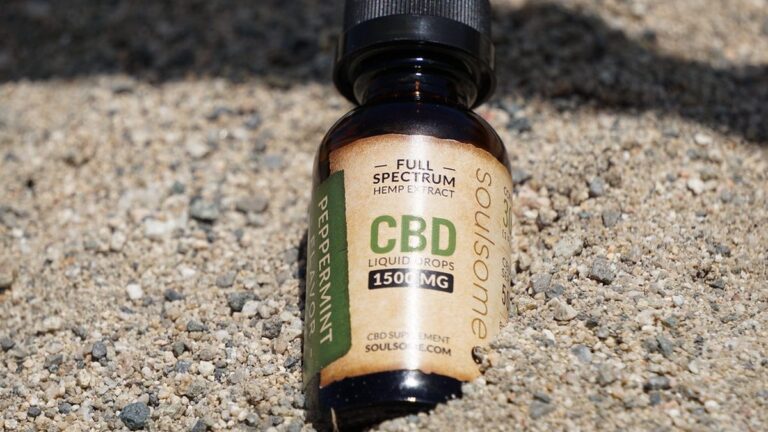
Does CBD Get You High? Why Some People Feel It, and When THC Is the Reason
-
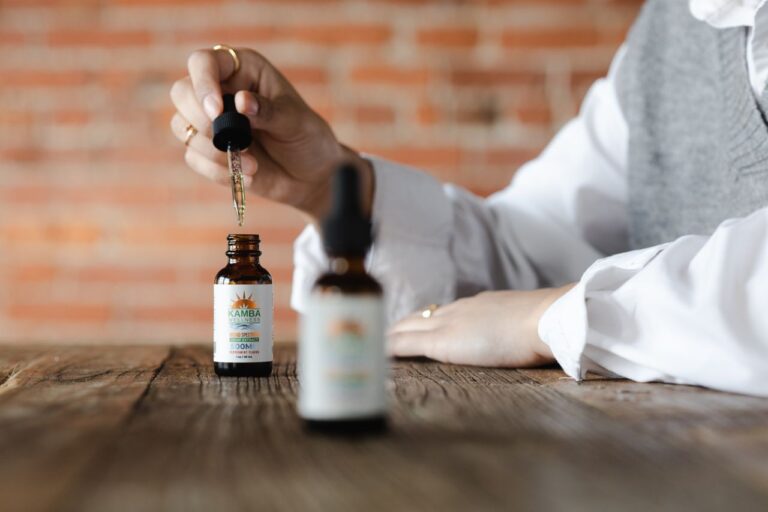
CBD Gummies vs CBD Oil: Absorption, Onset and Label Accuracy
-
CBN vs Melatonin: What Sleep Trials and Regulators Actually Say
-
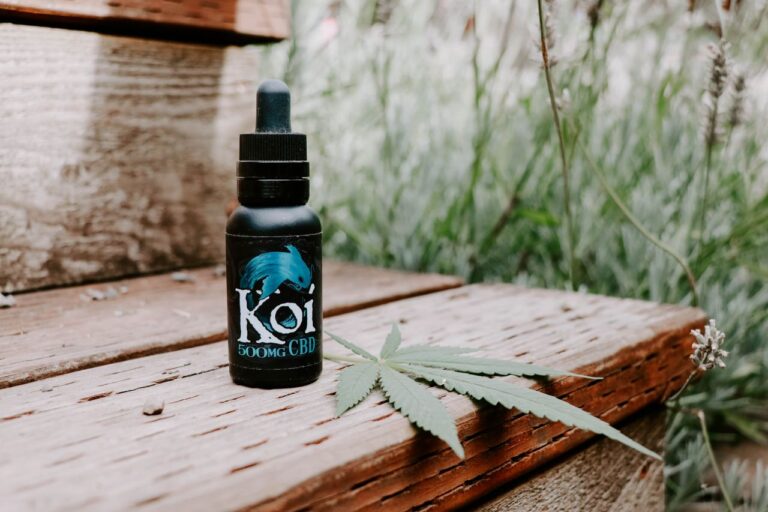
CBD Isolate vs Full Spectrum: Drug Tests, Entourage Claims and Law
-
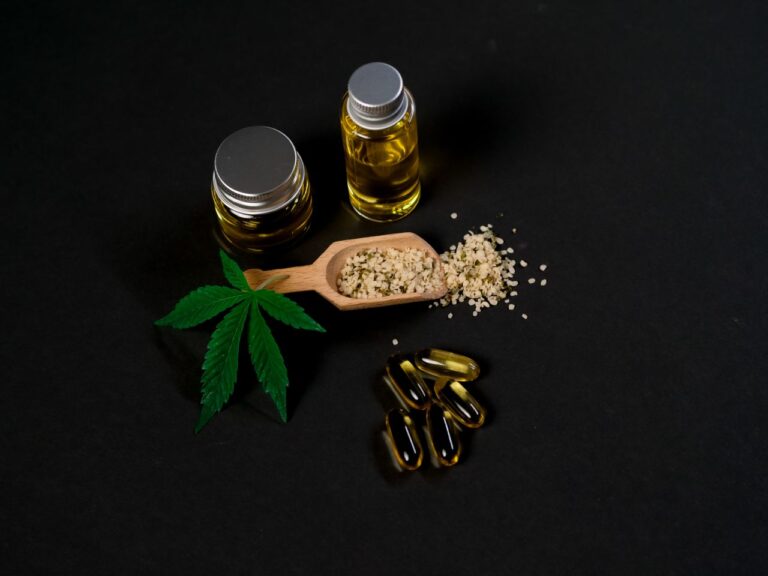
Hemp Oil vs CBD Oil: What’s the Difference?
-
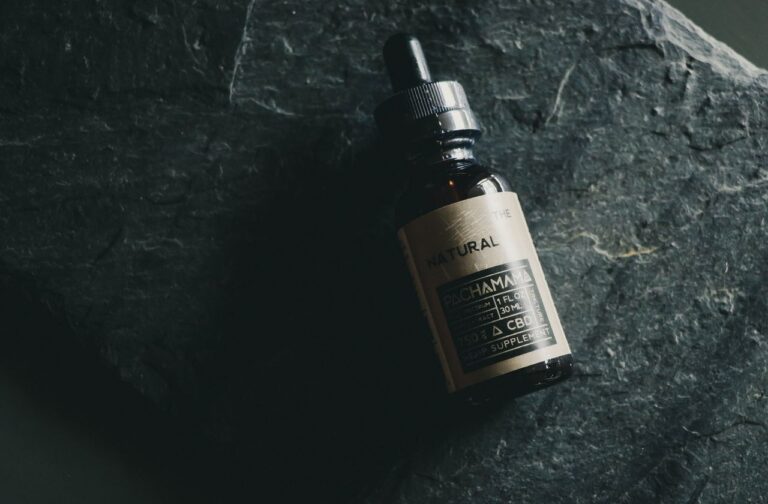
CBN vs CBD: Sleep Claims, Trial Results and Key Differences
-
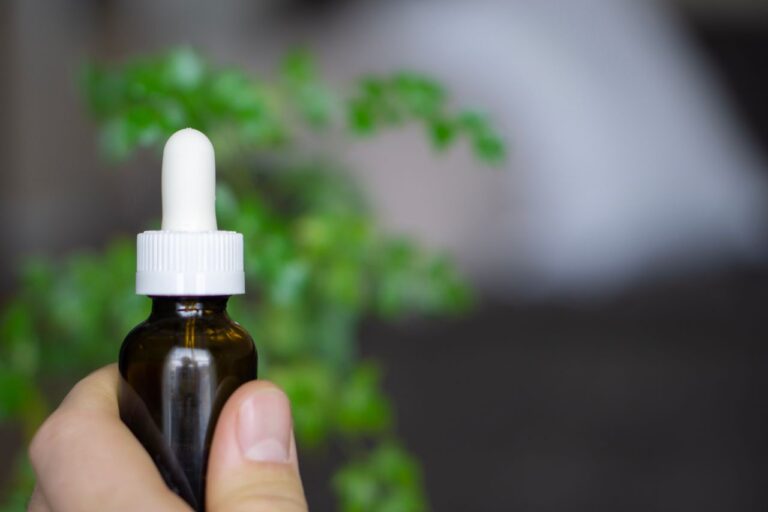
CBG vs CBD: How the Two Cannabinoids Differ on the Evidence
Questions
CBD: frequently asked questions
Is CBD legal in 2026?
Hemp-derived CBD remains federally legal for now, but the federal hemp definition changes on 11 December 2026. From then, finished products with more than 0.4 mg total THC per container lose hemp status. Separately, FDA says CBD cannot be sold as a dietary supplement or added to food, and states set their own rules on top.
What is the difference between full-spectrum and broad-spectrum CBD?
Full-spectrum extracts keep the hemp plant's other cannabinoids, including trace THC. Broad-spectrum extracts keep minor cannabinoids and terpenes but remove THC to low or undetectable levels, and isolate is purified CBD alone. The difference matters for drug tests and, from December 2026, for the federal 0.4 mg per-container THC limit.
Can CBD make you fail a drug test?
Drug tests look for THC metabolites, not CBD. However, full-spectrum products contain trace THC, and mislabelled products can contain more THC than stated, so regular users can test positive. Isolate products carry the lowest risk, but no CBD product is risk-free when the label may be inaccurate. Check the batch lab report for THC.
Does CBD interact with medications?
It can. CBD is processed by liver enzymes, including CYP3A4 and CYP2C19, that also break down many prescription drugs, and the Epidiolex prescribing information lists interactions. Anyone taking regular medication, including blood pressure or blood-thinning drugs, should speak to a pharmacist or doctor before using any CBD product.
What does the research on CBD actually show?
Strong trial evidence exists for prescription CBD (Epidiolex) in specific rare seizure disorders. For sleep, anxiety and pain, human trials of CBD are mostly small, short and mixed in their results, and the products studied often differ from what is sold in shops. Our research posts report trial sizes and limits rather than marketing claims.
Keep exploring
Related topic hubs
Hemp THC
Delta-8, THCA and hemp THC compared, the late-2026 federal changes, and lab-tested product buying guides.
Open hub → Topic hubKratom
Kratom and 7-OH research, DEA scheduling news, state laws, strains, safety and lab-tested buying guides.
Open hub → Topic hubMushrooms
Lion's mane, reishi, chaga and other functional mushrooms on the evidence, plus Amanita muscaria law.
Open hub →Research a brand
Check a brand before you buy
Our directory lists brands with public, batch-level lab reports. A listing is not an endorsement, and editorial coverage is independent of paid placements.
How we work: every article cites primary sources (peer-reviewed studies, FDA and DEA documents, the Federal Register and state law), says where the evidence is thin, and is dated so you can see when the legal picture was last checked. Nothing here is medical or legal advice. Read our editorial policy.