
CBG (cannabigerol) and CBD (cannabidiol) are both non-intoxicating cannabinoids from hemp, but they sit at different points in the plant’s chemistry and carry very different amounts of evidence. CBD is the active ingredient in an approved epilepsy medicine and has been tested in large trials. CBG has only a handful of small human studies, most published since 2024.
The practical differences follow from that gap. CBD’s side effects and drug interactions are well documented because of the prescription trials, while CBG’s are largely unknown beyond single doses and short studies. Both are sold in the same formats, both can carry trace THC that matters for drug tests, and both face the same federal rule change in December 2026.
This page compares them on chemistry, what trials measured, evidence quality, safety, drug testing, legal status and label checks. For a deeper look at CBG on its own, see our review of CBG research in 2026.
At a glance
| Property | CBG | CBD |
|---|---|---|
| Full name | Cannabigerol | Cannabidiol |
| Origin in the plant | Neutral form of CBGA, the precursor to other cannabinoids | Neutral form of CBDA, which the plant makes from CBGA |
| Amount in typical hemp | Usually a minor component; high-CBG cultivars exist | Often the dominant cannabinoid in CBD hemp |
| Intoxicating? | No intoxication seen in small human studies | No |
| Main targets studied | Alpha-2 adrenoceptors, 5-HT1A and others (lab data) | Many targets; low affinity for CB1 and CB2 |
| Approved medicine | None | Epidiolex (US) and Epidyolex (UK) for specific seizure disorders |
| Largest controlled human studies | Dozens of participants | Hundreds of patients in rare epilepsies |
| Drug interaction data | Largely unstudied | CYP2C19 and CYP3A4 interactions documented |
| Standard workplace drug test | Not a target; THC in the product is the risk | Not a target; THC in the product is the risk |
| Status in sport (WADA) | Prohibited in competition | Permitted, though other cannabinoids in a product are not |
Where CBG and CBD come from in the plant
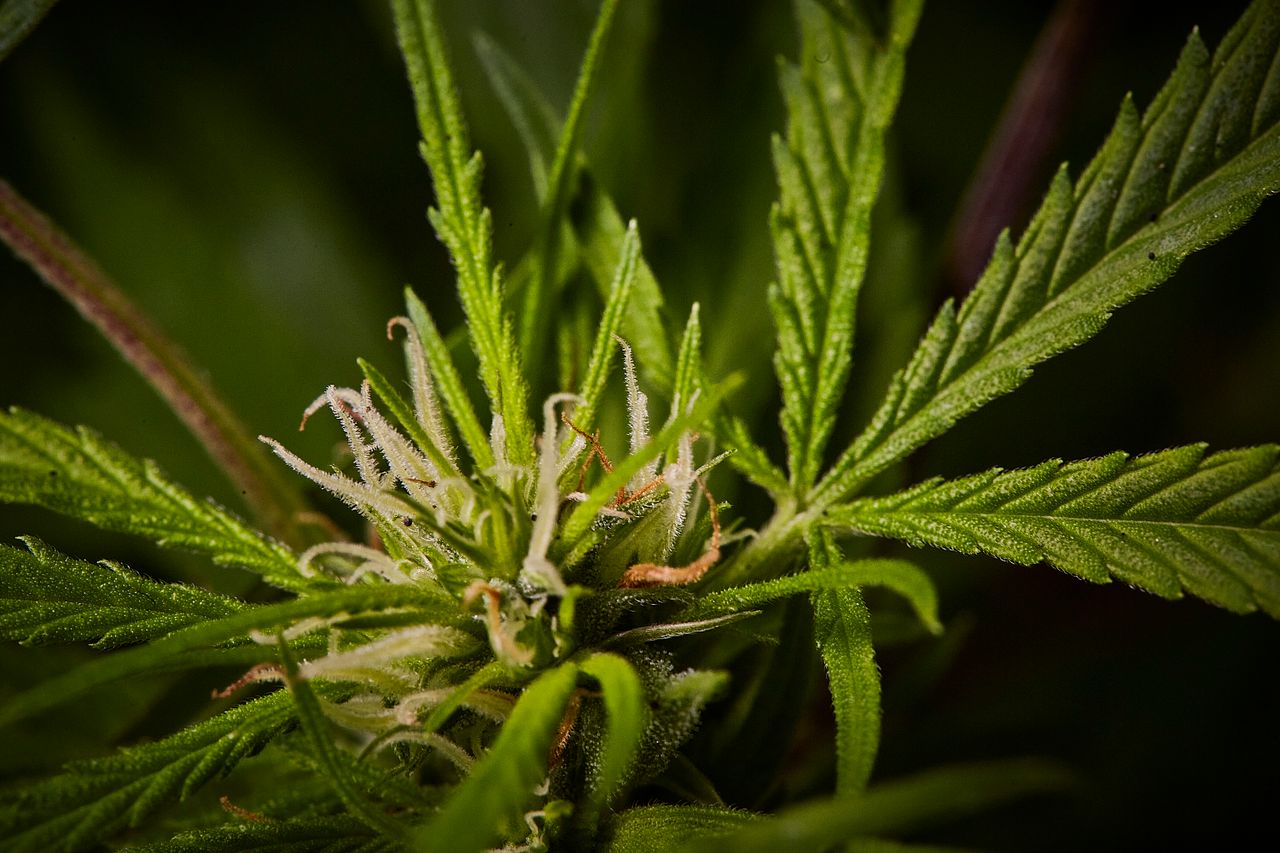
One molecule sits upstream of both. Hemp makes cannabigerolic acid (CBGA), and enzymes then convert most of it into THCA, CBDA or CBCA. Heat, light and time strip the acid group, turning CBGA into CBG and CBDA into CBD, a step known as decarboxylation.1
Because most CBGA is converted before harvest, mature hemp usually contains far more CBD than CBG. CBG products therefore come from cultivars bred to hold on to CBGA, from plants harvested early, or from processing routes other than simple extraction. That matters for cost, for how consistent products are, and, from late 2026, for US legal status.
Different receptor profiles
In laboratory work, CBG acts on alpha-2 adrenoceptors, blocks 5-HT1A serotonin receptors and has weak activity at cannabinoid receptors, alongside effects on several ion channels.1 CBD also acts on many targets and has low affinity for the CB1 receptor that drives THC’s high. Neither profile tells you what a person will feel at retail doses: receptor data come from cells and animal tissue, not from people.
What trials measured and what users report
CBD: large trials, but at prescription doses
The strongest CBD evidence comes from epilepsy. In a double-blind trial of 120 children and young adults with Dravet syndrome, CBD at 20 mg per kg per day cut median monthly convulsive seizures from 12.4 to 5.9, against 14.9 to 14.1 on placebo.6 Diarrhoea, vomiting, tiredness, sleepiness and abnormal liver tests were more common on CBD.
That dose works out at around 1,400 mg a day for a 70 kg adult, many times what most consumer oils or gummies supply. Results at prescription doses in rare epilepsies do not tell you what a 25 mg gummy does for everyday stress or sleep.
CBG: a few small studies
The first controlled CBG study in people gave 34 healthy adults a single 20 mg dose or placebo. CBG reduced self-rated anxiety and stress and improved some verbal memory scores, with no sign of intoxication.2 The participants were experienced cannabis users tested remotely, and the authors did not correct for multiple comparisons.
A 2026 laboratory study gave 12 healthy adults single doses of 25 to 200 mg of CBG isolate. It was well tolerated and produced few measurable effects, with wide person-to-person variation in blood levels.3 A randomised trial in 63 US veterans with sleep problems found sleep scores improved in both the CBG and placebo groups, with no significant difference between them.4
Most claims about CBG trace back to user surveys. In one survey of 127 people using CBG-dominant products, most rated their anxiety, pain, low mood or sleep as much improved.5 Surveys recruit enthusiasts and cannot separate the drug from expectation, so they are a reason to run trials rather than evidence of effect.
How strong is the evidence for each?
The honest answer is that the two are not in the same league. CBD has randomised trials, regulatory review and years of prescription safety data. CBG has one positive single-dose study, one largely null sleep trial and a small dose-finding study.
| Evidence type | CBG | CBD |
|---|---|---|
| Laboratory and animal studies | Growing body, mostly cells and rodents | Extensive |
| Controlled human trials | A few, each with dozens of participants | Many, including trials with hundreds of patients |
| Long-term safety data | None published | Years of prescription use in epilepsy |
| Head-to-head against each other | No trials | No trials |
Funding also deserves a look. The veterans sleep trial was commissioned by a cannabinoid company that employs its lead author, and several CBD and CBG researchers consult for cannabis businesses.4 That does not make the findings wrong, but it is a reason to wait for independent replication before drawing conclusions.
What would change the picture for CBG is straightforward: repeated-dose trials in people with a diagnosed condition, run independently, with liver monitoring and interaction testing. Until those exist, CBG sits roughly where CBD stood before its epilepsy trials, with interesting laboratory signals and very little clinical proof.
Safety, side effects and drug interactions
For CBD, the best safety data come from the Epidiolex prescribing information. It warns of raised liver enzymes, particularly alongside valproate, and of sleepiness and sedation. It also lists interactions through the CYP2C19 and CYP3A4 liver enzymes, including with the epilepsy drug clobazam.7 Consumer doses are lower, but the interaction mechanism does not disappear at lower doses. Our guide to CBD drug interactions covers the common medicines involved.
For CBG, the published record is thin. The single-dose laboratory study reported no drug-related adverse events and no liver test results above normal after the two highest doses.3 Survey respondents most often mentioned dry mouth, sleepiness, increased appetite and dry eyes.5 There are no published long-term studies and very little human interaction data, so “no known interactions” means “not yet studied”, not “safe to combine”.
Anyone taking prescription medicines, especially blood thinners, anti-epileptics or drugs with narrow dosing margins, should check with a pharmacist before using either compound.
Drug testing and anti-doping rules
Standard workplace urine tests look for THC metabolites, not for CBD or CBG. The real risk comes from THC in the product. In a 2026 controlled study, adults took 100 mg of CBD with 0 to 3.7 mg of THC twice daily for two weeks. Every group given any THC produced at least one positive urine test, and one sample in the CBD-only group also tested positive.8 Our explainer on whether CBD can fail a drug test covers cut-offs and detection windows.
Sport is different
For athletes, the two compounds are not treated alike. The World Anti-Doping Agency permits CBD but prohibits other cannabinoids, including CBG. In a 10-week study, a broad-spectrum CBD product with trace CBG left detectable CBG in 42% of urine samples before exercise and 74% after.9 A product sold as CBD can still put a tested athlete at risk if it contains CBG.
Legal status in September 2026
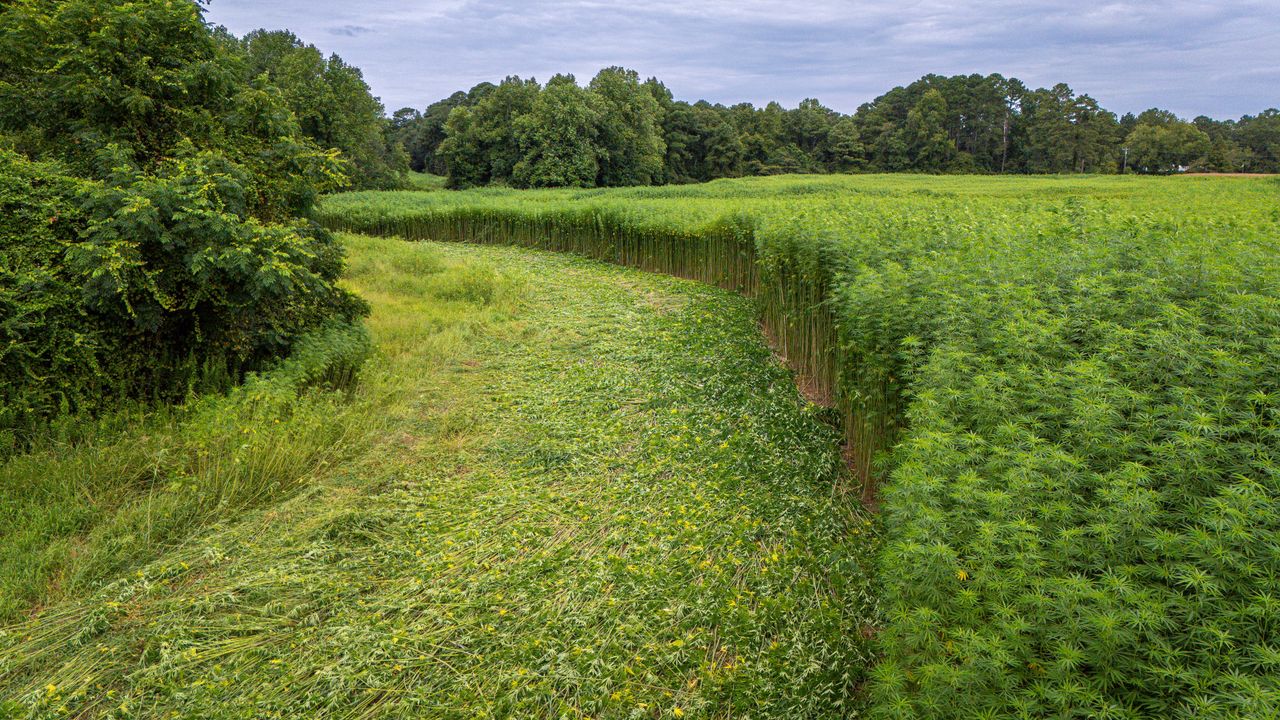
United States. Both have been sold as hemp products under the 2018 Farm Bill. A federal law passed in November 2025 redefines hemp using total THC and caps finished products at 0.4 mg of total THC per container. Most provisions take effect on 11 December 2026 after a one-month delay signed in September 2026.10 Our explainer on the federal hemp THC limit covers the detail.
The new definition also excludes cannabinoids synthesised or manufactured outside the plant, and those provisions keep a 12 November 2026 start date.10 CBG made by fermentation or chemical conversion could be affected, depending on cannabinoid lists the FDA had not published by late August 2026. Many full-spectrum CBD and CBG products will exceed 0.4 mg of THC per container. Bills to delay or repeal the change are in committee, and state rules vary widely.
United Kingdom. Pure CBD is not a controlled drug, and CBG is not named in the Misuse of Drugs Act the way cannabinol is. Products must still keep controlled cannabinoids such as THC within the Home Office limit of 1 mg per container and meet the other conditions for an exempt product, alongside food law.11 Canada. Both are phytocannabinoids regulated under the Cannabis Act and are legally sold only through authorised cannabis retailers.
What to check on the label and certificate of analysis
Label accuracy remains a problem across the market. In a test of 80 CBD products, only 54% contained a CBD amount within 10% of the label.12 There is little equivalent testing for CBG, so the certificate of analysis (COA) matters even more.
- Batch match: the COA should carry the same batch or lot number as the product in your hand.
- Accredited lab: look for an independent laboratory accredited to ISO/IEC 17025.
- Full cannabinoid panel: CBG and CBD per serving and per container, plus delta-9 THC and THCA.
- Total THC per container: the figure that matters under the new US rule and for drug testing.
- Contaminants: residual solvents, heavy metals, pesticides and microbes.
- Source: whether the CBG was extracted from hemp or made another way.
Our checklist on what to check when buying CBD online goes through a COA line by line.
Frequently asked questions
Is CBG stronger than CBD?
Not in any measurable sense yet. “Stronger” usually means more potent at a receptor, and CBG and CBD act on different targets, so lab potency figures do not compare directly. No human trial has tested the two head to head. CBD has far more clinical evidence, while CBG has a few small studies with mixed results.2,4
Does CBG get you high?
The available human studies suggest not. A 20 mg single dose produced no signs of intoxication in 34 adults, and single doses up to 200 mg produced few measurable effects in a laboratory study.2,3 The practical caveat is THC: a CBG product made from full-spectrum hemp extract can contain enough THC to matter, so check the certificate of analysis.
Can you take CBG and CBD together?
Many products combine them, but there are no controlled studies of the combination in people. CBD’s interactions with liver enzymes are well documented, and CBG’s are largely unstudied, so the combined effect on other medicines is unknown.3,7 If you take prescription drugs, ask a pharmacist before combining cannabinoid products.
Will CBG show up on a drug test?
Standard workplace tests look for THC metabolites, not CBG. A positive result would most likely come from THC in the product, which even low-dose hemp products can contain.8 Anti-doping tests are different: CBG is a prohibited cannabinoid in competitive sport, and it has been detected in athletes’ urine after use of broad-spectrum CBD products.9
Is CBG or CBD better for anxiety?
There is no head-to-head evidence to answer that. CBG reduced self-rated anxiety after a single dose in one small trial of healthy adults, not people with an anxiety disorder.2 CBD has been studied more widely, but mainly at doses well above typical retail products. Anyone with ongoing anxiety should speak to a clinician about proven options.
Sources
- Nachnani R, Raup-Konsavage WM, Vrana KE. The Pharmacological Case for Cannabigerol. J Pharmacol Exp Ther. 2021;376(2):204-212. DOI: 10.1124/jpet.120.000340. PMID: 33168643. pubmed.ncbi.nlm.nih.gov
- Cuttler C, Stueber A, Cooper ZD, Russo E. Acute effects of cannabigerol on anxiety, stress, and mood: a double-blind, placebo-controlled, crossover, field trial. Sci Rep. 2024;14(1):16163. DOI: 10.1038/s41598-024-66879-0. PMID: 39003387. nature.com
- Wolinsky D, Srungaram D, Zhang A, et al. Safety, pharmacodynamics, and pharmacokinetics of oral cannabigerol in healthy adults. J Pharmacol Exp Ther. 2026;393(8):104984. DOI: 10.1016/j.jpet.2026.104984. PMID: 42575778. pubmed.ncbi.nlm.nih.gov
- Emerson CR, Webster CE, Daza EJ, Klamer BG, Tummalacherla M. Effect of Cannabigerol on Sleep and Quality of Life in Veterans: A Decentralized, Randomized, Placebo-Controlled Trial. Med Cannabis Cannabinoids. 2026;9(1):1-14. DOI: 10.1159/000549902. PMID: 41574318. pubmed.ncbi.nlm.nih.gov
- Russo EB, Cuttler C, Cooper ZD, Stueber A, Whiteley VL, Sexton M. Survey of Patients Employing Cannabigerol-Predominant Cannabis Preparations: Perceived Medical Effects, Adverse Events, and Withdrawal Symptoms. Cannabis Cannabinoid Res. 2022;7(5):706-716. DOI: 10.1089/can.2021.0058. PMID: 34569849. pubmed.ncbi.nlm.nih.gov
- Devinsky O, Cross JH, Laux L, et al. Trial of Cannabidiol for Drug-Resistant Seizures in the Dravet Syndrome. N Engl J Med. 2017;376(21):2011-2020. DOI: 10.1056/NEJMoa1611618. PMID: 28538134. pubmed.ncbi.nlm.nih.gov
- US Food and Drug Administration. EPIDIOLEX (cannabidiol) oral solution: highlights of prescribing information. Revised June 2025. accessdata.fda.gov
- Wolinsky D, Zamarripa CA, Spindle TR, et al. The acute and chronic pharmacokinetics and pharmacodynamics of oral cannabidiol with and without low doses of delta-9-tetrahydrocannabinol. J Anal Toxicol. 2026;50(1):bkaf075. DOI: 10.1093/jat/bkaf075. PMID: 40704705. pubmed.ncbi.nlm.nih.gov
- Gillham SH, Cole PL, Owens DJ, et al. Daily Use of a Broad-Spectrum Cannabidiol Supplement Produces Detectable Concentrations of Cannabinoids in Urine Prohibited by the World Anti-Doping Agency: An Effect Amplified by Exercise. Med Sci Sports Exerc. 2026;58(1):121-131. DOI: 10.1249/MSS.0000000000003842. PMID: 40920736. pubmed.ncbi.nlm.nih.gov
- Hemp Law Group. Federal Hemp Law in 2026: The Ban, the Deadline, and Every Bill Trying to Change It. Updated September 2026. hemplawgroup.com
- UK Home Office. Drug Licensing Factsheet: Cannabis, CBD and other cannabinoids. Revised September 2024. gov.uk
- Johnson E, Kilgore M, Babalonis S. Label accuracy of unregulated cannabidiol (CBD) products: measured concentration vs. label claim. J Cannabis Res. 2022;4(1):28. DOI: 10.1186/s42238-022-00140-1. PMID: 35658956. pubmed.ncbi.nlm.nih.gov
Editorial note: This article is for general information only and is not medical or legal advice. CBG and CBD products have not been evaluated by the FDA to diagnose, treat, cure or prevent any disease. Laws vary by location and change often, so verify the rules that apply where you are. Always talk to a licensed healthcare provider before use, especially if you are under 21, pregnant or nursing, taking medication, or managing a health condition.
More comparisons
-
CBD Gummies vs CBD Oil: Absorption, Onset and Label Accuracy
-
CBN vs Melatonin: What Sleep Trials and Regulators Actually Say
-
CBD Isolate vs Full Spectrum: Drug Tests, Entourage Claims and Law
-
CBD Oil vs Hemp Oil: Seed Oil, Flower Extract and Label Traps
-
CBN vs CBD: Sleep Claims, Trial Results and Key Differences