
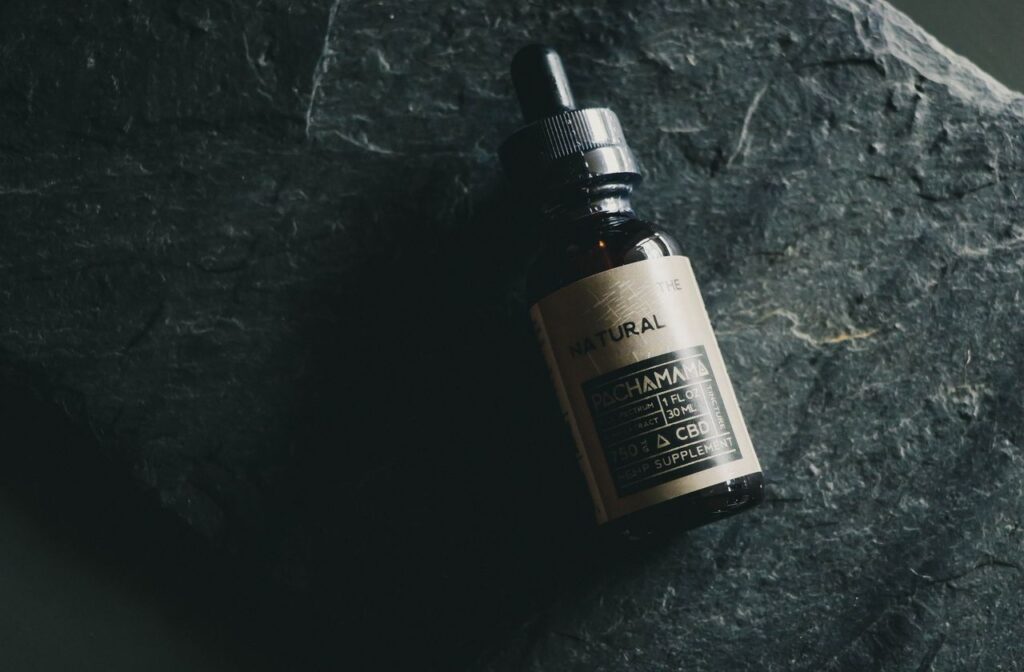
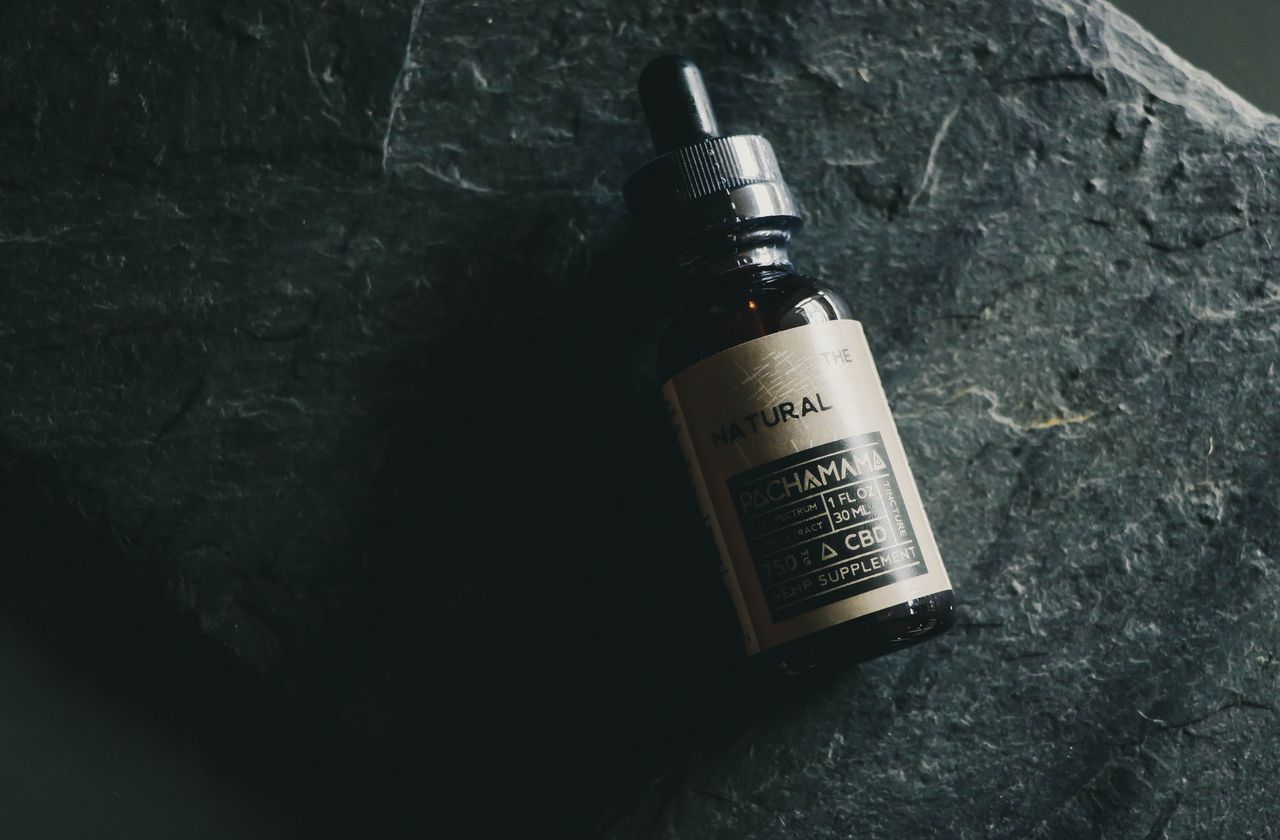
CBN (cannabinol) forms when THC breaks down with age, heat and light, while CBD (cannabidiol) is made by the plant itself. CBN has weak THC-like activity and is marketed mainly for sleep, with a few mixed trials behind it. CBD is non-intoxicating, far better studied and the basis of an approved epilepsy medicine.
They also differ in ways that matter off the label. CBN can cross-react with some THC drug screens, and it is a controlled Class B drug in the UK. CBD is not controlled in its pure form in the UK, and pure CBD is unlikely to cause a failed drug test on its own.
This comparison covers chemistry, what sleep trials measured, evidence quality, safety, drug testing, legal status as of September 2026 and what to check before buying. Our separate report on CBN for sleep goes deeper into the trial data.
At a glance
| Property | CBN | CBD |
|---|---|---|
| Full name | Cannabinol | Cannabidiol |
| How it forms | Breakdown product of THC as cannabis ages | Heat converts CBDA, which the plant makes |
| Intoxicating? | Weak THC-like activity; far milder than THC | No |
| CB1 receptor activity | Weak, much less potent than THC | Low affinity |
| Main marketing claim | Sleep | Calm, sleep, recovery and general wellness |
| Best controlled human data | A few sleep trials, mixed results, several industry-run | Large epilepsy trials |
| Approved medicine | None | Epidiolex (US), Epidyolex (UK) |
| THC drug screen | Can cross-react with some immunoassays | Pure CBD unlikely to trigger one |
| UK status | Class B controlled drug | Pure CBD not controlled |
| US status from December 2026 | Unclear, pending FDA cannabinoid lists | Permitted if under 0.4 mg total THC per container |
What CBN and CBD are, and how each forms
One reaction separates the two. CBD comes from CBDA, an acid the hemp plant makes directly, which converts to CBD when heated. CBN is not made by the plant’s enzymes at all: it appears as THC oxidises, so old or poorly stored cannabis contains more of it.1
That origin shapes the pharmacology. CBN binds the CB1 receptor weakly and is less potent than THC there, while CBD has low affinity for CB1 and acts on a spread of other targets.1 CBN is best described as a much weaker relative of THC, not a close cousin of CBD.
It also shapes supply. Because hemp contains little CBN, products marketed for sleep usually rely on CBN produced by converting other cannabinoids or by other manufacturing routes rather than simple extraction.1 That detail becomes important under the new US hemp definition.
The same chemistry works in reverse on the shelf. Any product containing THC, including full-spectrum CBD oils, will slowly gain CBN and lose THC as it ages, especially if stored warm or in light. A certificate of analysis describes the product on the day it was tested, not a year later.
Sleep claims versus what the trials found
CBN’s reputation as a sedative is older than the evidence for it. A 2021 review found no published trials using validated sleep measures and noted that most human CBN studies date from the 1970s and 1980s.2 In one of those early studies, five men given 50 mg of CBN alone did not report feeling drugged, dizzy or drowsy, although CBN slightly increased some effects of THC when the two were combined.3
Recent CBN trials
- 20 mg nightly for a week (293 analysed adults with poor sleep): CBN reduced night-time awakenings and overall sleep disturbance, but the main outcome, sleep quality, was not significantly different from placebo. Adding CBD did not improve results. The authors worked for two cannabis companies.4
- 25, 50 or 100 mg against 4 mg melatonin and placebo (around 1,000 adults, self-reported, decentralised): all active groups improved sleep quality compared with placebo, with no difference from melatonin. The study was run by a contract research company that employed the authors.6
- Single doses of 30 or 300 mg in 20 adults with diagnosed insomnia, measured in a sleep laboratory: neither dose changed the primary outcome, time awake after falling asleep. The 300 mg dose shortened time to fall asleep and improved rated sleep quality.5
CBD and sleep
CBD’s sleep evidence is also modest and mixed, and most trials use doses well above typical gummies. Our review of CBD for sleep covers those studies. The one trial that tested the combination found CBD added nothing to CBN.4
Evidence quality compared
CBD is supported by randomised epilepsy trials and years of prescription safety data from Epidiolex.7 Its evidence for everyday uses such as stress or sleep is much weaker than its marketing, but the safety picture at least is well mapped.
CBN’s evidence is thinner on both counts. The independent polysomnography trial was small and single-night, and its main outcome was negative.5 The two larger trials used questionnaires rather than sleep-laboratory recordings and were run or funded by companies with commercial interests.4,6 None has tested long-term use.
There is also a dose gap. A 2021 review noted that sleep products typically contained 5 mg of CBN or less, while trials have used 20 to 300 mg.2 A product can cite a trial without delivering anything like the trial dose.
The large melatonin-comparison trial is often quoted as showing CBN “works as well as melatonin”. Read carefully, it shows that every arm, including 4 mg of melatonin, beat placebo on a self-rated questionnaire, with no objective sleep measurement.6 That is a weaker finding than the headline suggests, and it has not been independently repeated.
Safety, side effects and interactions
For CBD, the prescribing information for Epidiolex lists raised liver enzymes, sleepiness, reduced appetite and diarrhoea, and interactions through CYP2C19 and CYP3A4 liver enzymes, including with clobazam and valproate.7 Those data come from high prescription doses, but they define the risks to discuss with a pharmacist.
For CBN, short trials report mostly mild adverse events. The laboratory insomnia study logged 247 mild-to-moderate adverse events across its three arms, including placebo.5 There is little published data on long-term use, liver effects or interactions with medicines. The 1975 study also found that CBN slightly strengthened some effects of THC, which is relevant for products that contain both.3
Because CBN is sold as a sleep aid, the obvious precaution is not to stack it with alcohol, sleeping tablets, opioids or other sedating drugs, and not to drive until you know how it affects you. People taking prescription medicines should check with a pharmacist before using either compound.
Drug testing: why CBN is the riskier of the two
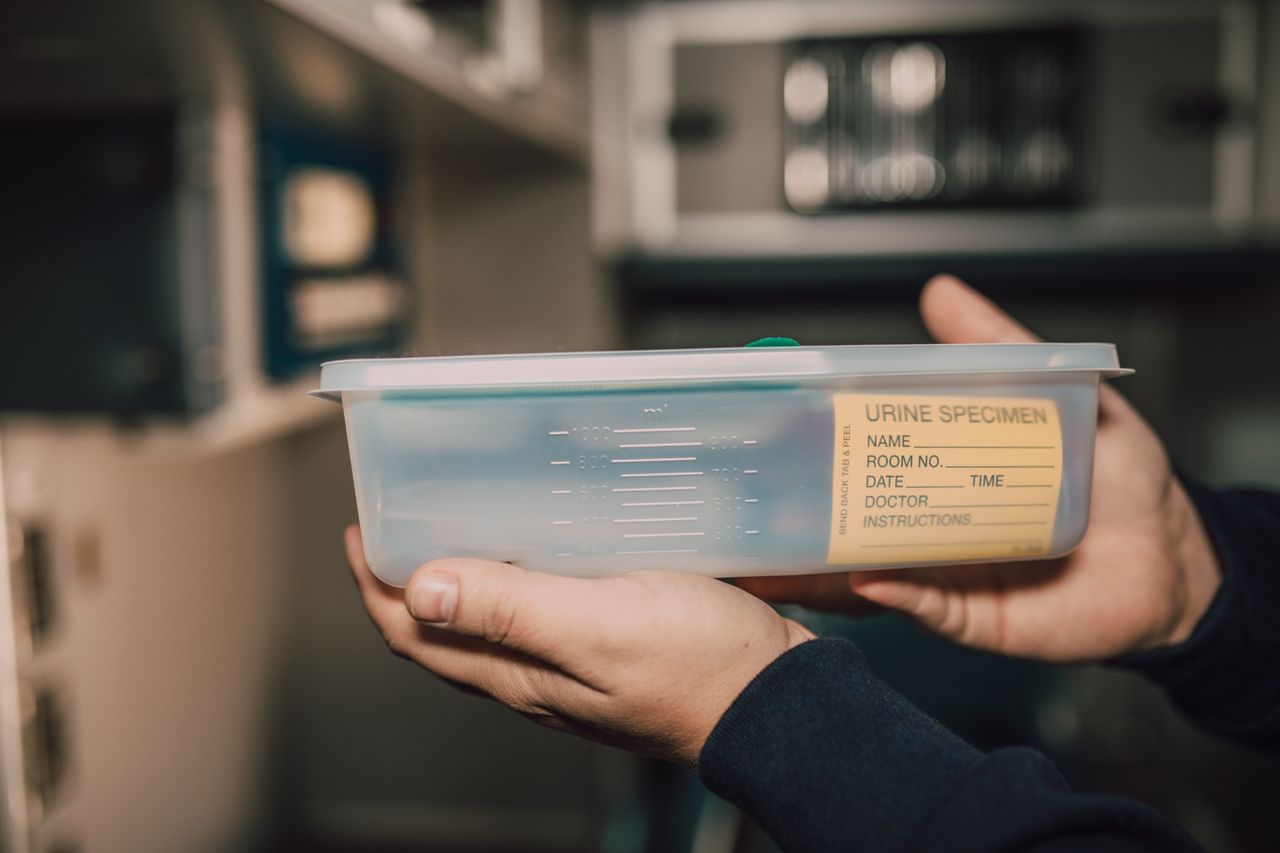
Most workplace screens are immunoassays for THC metabolites, followed by a laboratory confirmation test if the screen is positive. When researchers added CBD, CBN, CBC and CBG to clean urine, both commercial immunoassays they tested cross-reacted with CBN. One assay needed about five times more CBN than THC metabolite to reach its cut-off, and CBN added to a weak THC signal.8
A confirmation test should separate CBN from THC metabolites, so cross-reactivity alone should not produce a confirmed positive. The practical risk is that many CBN products are made from full-spectrum extracts or conversion processes that leave THC behind.
Pure CBD behaves differently. In a controlled study, oral and vaporised CBD showed no conversion to THC, and the authors concluded pure CBD is unlikely to affect drug testing. Positive samples appeared only after CBD-rich cannabis containing 3.7 mg of THC.9 Our guide on whether CBD can fail a drug test explains cut-offs in more detail.
Legal status in September 2026
United States. A federal law passed in November 2025 redefines hemp by total THC and caps finished products at 0.4 mg of total THC per container. Most provisions start on 11 December 2026 after a one-month delay; rules on cannabinoids not naturally occurring in the plant keep a 12 November 2026 date.11 The federal hemp THC limit explainer covers the mechanics.
CBD isolate products fit comfortably inside that rule. CBN is less certain: the law excludes cannabinoids synthesised or manufactured outside the plant, and counts cannabinoids with, or marketed as having, THC-like effects towards the cap. The FDA lists that would settle which cannabinoids fall where were about six months overdue in late August 2026.12 Bills to delay or repeal the change are in committee, and state rules on minor cannabinoids vary widely.
United Kingdom. Cannabinol is a Class B controlled drug under the Misuse of Drugs Act 1971. Pure CBD is not controlled, but CBD products must keep controlled cannabinoids, CBN included, within the Home Office limit of 1 mg per container.10 CBN sleep products sold in the US are not a lawful route in the UK. Canada. Both are phytocannabinoids regulated under the Cannabis Act and sold only through authorised retailers.
What to check before buying either
- Milligrams per serving: compare the CBN dose to the 20 to 300 mg used in trials, not to the product’s own claims.
- Total THC per container: the figure that matters for drug testing and for the new US rule.
- A batch-matched COA: from an ISO/IEC 17025 accredited laboratory, showing CBN, CBD, delta-9 THC, delta-8 THC and THCA.
- How the CBN was made: reputable sellers say whether it was converted from other cannabinoids, and show residual solvent results.
- Added ingredients: many sleep blends add melatonin or herbal sedatives, which changes the safety picture.
Our explainer on reading a CBD certificate of analysis shows where each figure appears.
Frequently asked questions
Is CBN or CBD better for sleep?
No trial has shown either to be clearly better. One CBN trial found fewer night-time awakenings at 20 mg, but not better overall sleep quality, and adding CBD did not help.4 A laboratory trial in insomnia found no change in time awake at night.5 Persistent insomnia is worth raising with a clinician, since cognitive behavioural therapy for insomnia has stronger evidence than either.
Does CBN get you high?
CBN has weak activity at the CB1 receptor that produces THC’s high, but it is much less potent than THC.1 In an early human study, 50 mg of CBN alone did not make volunteers report feeling drugged or dizzy.3 The bigger practical risk is THC left in CBN products made from full-spectrum extracts or conversion processes.
Can you take CBN and CBD together?
Many sleep products combine them. The only randomised trial to test the pairing found that adding 10, 20 or 100 mg of CBD to 20 mg of CBN did not improve sleep outcomes compared with CBN alone.4 CBD’s known interactions with liver enzymes still apply, so check with a pharmacist if you take other medicines.
Can CBN make you fail a drug test?
It can cause a false positive on some THC screening tests. Laboratory work showed two commercial immunoassays cross-reacted with CBN, although it took several times more CBN than THC metabolite to trigger a result.8 Confirmation testing should tell them apart, but THC present in many CBN products can still produce a genuine positive.
Is CBN legal in the UK?
No. Cannabinol is listed as a Class B controlled drug under the Misuse of Drugs Act 1971, so products containing it are controlled unless they meet the strict exempt product conditions, which include no more than 1 mg of any controlled cannabinoid per container.10 Pure CBD, by contrast, is not a controlled drug.
Sources
- Walsh KB, McKinney AE, Holmes AE. Minor Cannabinoids: Biosynthesis, Molecular Pharmacology and Potential Therapeutic Uses. Front Pharmacol. 2021;12:777804. DOI: 10.3389/fphar.2021.777804. PMID: 34916950. pubmed.ncbi.nlm.nih.gov
- Corroon J. Cannabinol and Sleep: Separating Fact from Fiction. Cannabis Cannabinoid Res. 2021;6(5):366-371. DOI: 10.1089/can.2021.0006. PMID: 34468204. pubmed.ncbi.nlm.nih.gov
- Karniol IG, Shirakawa I, Takahashi RN, Knobel E, Musty RE. Effects of delta9-tetrahydrocannabinol and cannabinol in man. Pharmacology. 1975;13(6):502-512. DOI: 10.1159/000136944. PMID: 1221432. pubmed.ncbi.nlm.nih.gov
- Bonn-Miller MO, Feldner MT, Bynion TM, et al. A double-blind, randomized, placebo-controlled study of the safety and effects of CBN with and without CBD on sleep quality. Exp Clin Psychopharmacol. 2024;32(3):277-284. DOI: 10.1037/pha0000682. PMID: 37796540. pubmed.ncbi.nlm.nih.gov
- Lavender IG, Marshall NS, McCartney D, et al. Cannabinol for Acute Treatment of Insomnia Disorder in a Randomized Placebo-Controlled Crossover Trial. J Sleep Res. 2026;35(4):e70284. DOI: 10.1111/jsr.70284. PMID: 41698831. pubmed.ncbi.nlm.nih.gov
- Kolobaric A, Saleska J, Hewlings SJ, et al. A Randomized, Double-Blind, Placebo-Controlled Trial to Assess the Effectiveness and Safety of Melatonin and Three Formulations of Floraworks Proprietary TruCBN for Improving Sleep. Pharmaceuticals (Basel). 2024;17(8):977. DOI: 10.3390/ph17080977. PMID: 39204082. pubmed.ncbi.nlm.nih.gov
- US Food and Drug Administration. EPIDIOLEX (cannabidiol) oral solution: highlights of prescribing information. Revised June 2025. accessdata.fda.gov
- Kroner GM, Johnson-Davis KL, Doyle K, McMillin GA. Cannabinol (CBN) Cross-Reacts with Two Urine Immunoassays Designed to Detect Tetrahydrocannabinol (THC) Metabolite. J Appl Lab Med. 2020;5(3):569-574. DOI: 10.1093/jalm/jfaa020. PMID: 32445358. pubmed.ncbi.nlm.nih.gov
- Sholler DJ, Spindle TR, Cone EJ, et al. Urinary Pharmacokinetic Profile of Cannabidiol (CBD), Δ9-Tetrahydrocannabinol (THC) and Their Metabolites following Oral and Vaporized CBD and Vaporized CBD-Dominant Cannabis Administration. J Anal Toxicol. 2022;46(5):494-503. DOI: 10.1093/jat/bkab059. PMID: 34089060. pubmed.ncbi.nlm.nih.gov
- UK Home Office. Drug Licensing Factsheet: Cannabis, CBD and other cannabinoids. Revised September 2024. gov.uk
- Hemp Law Group. Federal Hemp Law in 2026: The Ban, the Deadline, and Every Bill Trying to Change It. Updated September 2026. hemplawgroup.com
- Marijuana Moment. Congressional Researchers Call Out FDA For Not Publishing Hemp Cannabinoid Lists And Guidance On Product Containers That’s Six Months Overdue. 24 August 2026. marijuanamoment.net
Editorial note: This article is for general information only and is not medical or legal advice. CBN and CBD products have not been evaluated by the FDA to diagnose, treat, cure or prevent any disease. Laws vary by location and change often, so verify the rules that apply where you are. Always talk to a licensed healthcare provider before use, especially if you are under 21, pregnant or nursing, taking medication, or managing a health condition.
More comparisons
-
CBD Gummies vs CBD Oil: Absorption, Onset and Label Accuracy
-
CBN vs Melatonin: What Sleep Trials and Regulators Actually Say
-
CBD Isolate vs Full Spectrum: Drug Tests, Entourage Claims and Law
-
CBD Oil vs Hemp Oil: Seed Oil, Flower Extract and Label Traps
-
CBG vs CBD: How the Two Cannabinoids Differ on the Evidence