
Ashwagandha and rhodiola are both herbal roots sold as adaptogens, a marketing term for plants said to help the body cope with stress. Ashwagandha (Withania somnifera) has more clinical trials, mostly on perceived stress, anxiety and sleep. Rhodiola (Rhodiola rosea) has fewer, mostly on fatigue. Their safety and legal profiles also differ.2
The safety difference is the one most comparison pages leave out. Ashwagandha has been linked to cholestatic liver injury in published case series, Denmark has made it illegal to sell in food products, and regulators in the UK and EU are reviewing it.5689 Rhodiola’s main problem is different: many products may not contain what the label says.11
Below we compare what each plant contains, what the trials measured and how reliable they are, the safety signals, and where each stands legally as of September 2026.
At a glance
| Property | Ashwagandha | Rhodiola |
|---|---|---|
| Plant and part used | Withania somnifera, mainly root | Rhodiola rosea, root and rhizome |
| Marker compounds | Withanolides | Rosavins and salidroside |
| Most studied for | Perceived stress, anxiety, sleep | Mental and physical fatigue |
| Volume of trials | Larger; 19 RCTs in one 2026 review | Smaller; 5 RCTs in the same review |
| Evidence certainty | Low, per a 2022 meta-analysis | Contradictory, high risk of bias |
| Liver signal | Published case series of cholestatic injury | One possible co-cause in a single case |
| Main quality risk | Extract type and plant part vary | Substitution with other Rhodiola species |
| US status | Dietary supplement | Dietary supplement |
| Europe | Banned in Danish foods; EU review pending | EU traditional herbal monograph; UK THR products |
| UK | FSA risk assessment under way | Registered traditional herbal medicines available |
What each plant is and what it contains
Ashwagandha is a shrub in the nightshade family used in Ayurvedic medicine. Supplements are usually made from the root, sometimes with leaf, and are often standardised to withanolides, a group of steroidal lactones thought to drive its effects.7
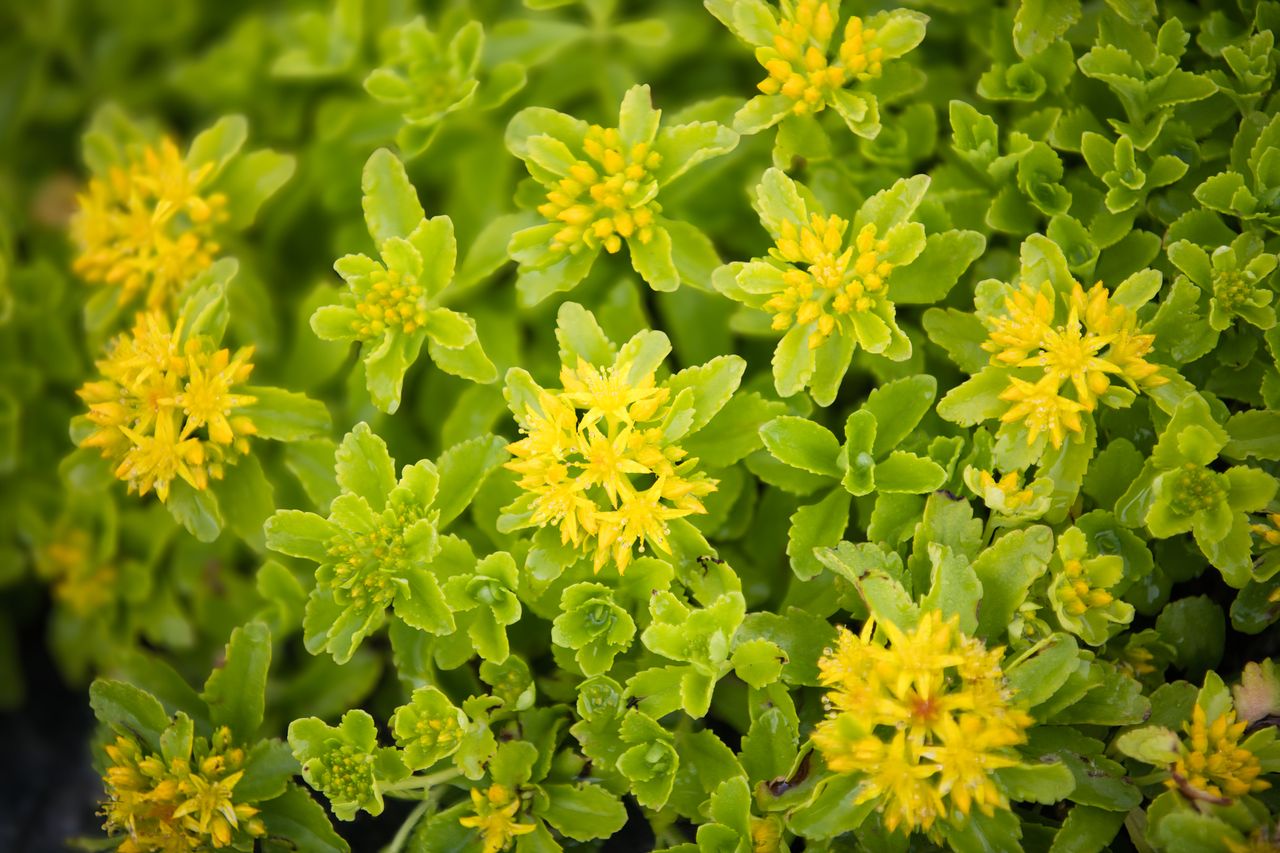
Rhodiola rosea, also called golden root or arctic root, grows at high altitude and in northern latitudes. Extracts are usually standardised to rosavins, which are characteristic of this species, and salidroside, which also occurs in other Rhodiola species.311
The adaptogen label is not a pharmacological class. It describes a claimed outcome, not a shared mechanism, and the two plants have quite different chemistry. Proposed mechanisms for both involve the stress hormone system (the hypothalamic-pituitary-adrenal axis) and neurotransmission, but these rest largely on laboratory and animal work.2
Effects in practice: what the trials measured
Ashwagandha
Most ashwagandha trials test daily root extracts for several weeks in adults reporting stress. A 2022 meta-analysis of 12 randomised trials (1,002 participants) found lower anxiety and stress scores than placebo, but rated the certainty of evidence as low and found very high heterogeneity between studies.1 Trials used different extracts, doses and outcome scales, which is part of why results varied so much.
Rhodiola
Rhodiola research centres on fatigue. In a 2009 Swedish trial, 60 adults with stress-related fatigue took a standardised extract (SHR-5) or placebo for 28 days. Both groups improved, but the extract group did better on a burnout scale and some attention measures.4 A 2012 systematic review found 11 controlled trials: three of five mental-fatigue trials and two of six physical-fatigue trials were positive, and every study had a high or unclear risk of bias.3
How users describe the difference
Marketing typically casts ashwagandha as calming and rhodiola as energising, and users often report taking ashwagandha later in the day and rhodiola in the morning. That split roughly matches what each was studied for, stress and sleep versus fatigue, but no trial has compared the two directly.
How strong is the evidence for each?
A 2026 systematic review that covered both plants found 19 eligible randomised trials of ashwagandha and 5 of rhodiola. The trials ranged from 10 to 590 participants and lasted 3 to 16 weeks. The authors flagged small samples, short durations and inconsistent methods as limits for both.2
- Ashwagandha: more trials and more consistent direction of effect on self-reported stress, but low certainty, many different branded extracts and little data beyond a few months.
- Rhodiola: fewer trials, contradictory results and methodological flaws; the EU recognises it only on the basis of traditional use, not clinical proof.310
- Head to head: no published trials.
Neither plant has good evidence as a cognitive enhancer in healthy, unstressed people. Any claim that one “works better” is a claim about marketing, not data.
Doses used in the trials
For context only, the randomised trials in the 2026 review used standardised ashwagandha extracts at 120 to 1,000 mg a day and rhodiola extracts at 290 to 1,500 mg a day, for 3 to 16 weeks.2 Because extracts differ in concentration and plant part, a milligram figure from one product does not translate to another, and long-term safety beyond those periods is largely unstudied.
Safety: ashwagandha liver reports, thyroid and pregnancy
Liver injury case reports
A 2020 case series described five people (three in Iceland, two from the US Drug-Induced Liver Injury Network) who developed jaundice 2 to 12 weeks after starting ashwagandha supplements. The injury was cholestatic or mixed, itching and jaundice lasted weeks to months, and liver tests normalised within 1 to 5 months in those followed up. Chemical testing confirmed ashwagandha and found no other toxins. In one case rhodiola, taken at the same time, was a possible co-cause.5
A 2023 series from India reported eight people with liver injury from single-ingredient ashwagandha products. Five had pre-existing chronic liver disease; three of them developed acute-on-chronic liver failure and died.6 Case series cannot show how common this is, and most users will not be affected, but the pattern is consistent enough that regulators now cite it. Similar case-series evidence underpins concerns about other botanicals; see our page on kratom and liver injury for comparison.
Other ashwagandha concerns
- Thyroid: the Dutch public health institute (RIVM) listed thyrotoxicosis among possible adverse effects in sensitive people.7
- Pregnancy: traditional use as an abortifacient is one reason several regulators advise pregnant women not to use it.7
- Who France advises should avoid it: people with thyroid, liver or heart conditions or hyperandrogenism, pregnant and breastfeeding women, people taking sedatives and under-18s.7
Rhodiola
Rhodiola trials have reported few side effects; the Swedish trial found none that could be attributed to the extract.4 The EU monograph limits traditional-use products to adults.10 Evidence on pregnancy, long-term use and drug interactions is sparse for both plants, so anyone on prescription medication, particularly thyroid, sedative, psychiatric or immunosuppressant drugs, should check with a pharmacist.
Neither plant is targeted by standard drug tests.
Legal status in September 2026: US, EU, Denmark, UK and Canada
United States: both are sold as dietary supplements with no federal restriction. Some branded ashwagandha extracts are self-affirmed as generally recognised as safe (GRAS) without FDA review.7
Denmark: selling products containing ashwagandha in food supplements and drinks is illegal. The Danish Veterinary and Food Administration bases this on a 2020 Technical University of Denmark assessment that raised concerns about effects on sex hormones and reproduction, metabolism, the immune system and the nervous system.8 The ban took effect in 2023.7
Rest of the EU: in 2024 the Heads of Food Safety Agencies working group recommended ashwagandha for a prioritised procedure under Article 8 of Regulation (EC) 1925/2006, which could lead to an EU-wide ban in supplements. France (ANSES) and the Netherlands (RIVM) have issued warnings, Sweden allows local authorities to apply the Danish assessment, and Poland limits daily intake to 3 g of powdered root with no more than 10 mg of withanolides.7 As of September 2026, no EU-wide decision had been taken. Rhodiola, by contrast, has an EU herbal monograph for traditional use in the temporary relief of stress symptoms such as fatigue.10 The same EMA committee concluded in 2013 that the requirements for an ashwagandha monograph were not met, so ashwagandha is not recognised as a traditional herbal medicine in the EU. A supplement ban could therefore remove it from the EU market almost entirely.7
United Kingdom: ashwagandha supplements remain on sale. The Food Standards Agency ran a call for evidence in 2024 and in June 2026 said a risk assessment with the Committee on Toxicity would follow.9 Rhodiola is available as registered traditional herbal medicines as well as unlicensed supplements.11
Canada: both are sold as licensed natural health products. Health Canada has a monograph setting conditions of use for ashwagandha, and its Cognitive Function Products monograph, updated January 2026, lists both ashwagandha root and rhodiola root as permitted ingredients.712 Look for an eight-digit NPN on the label.
What to check on the label
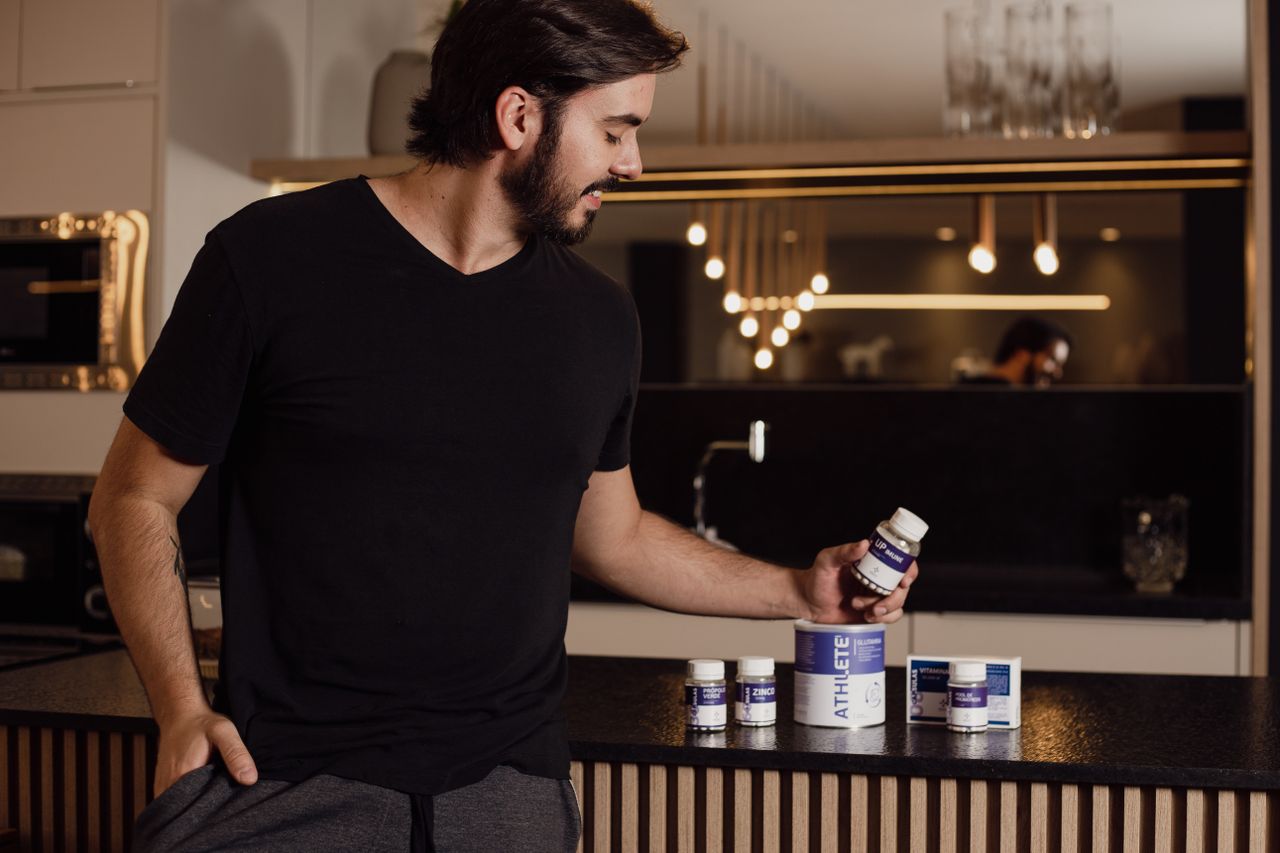
- Species name. For rhodiola, look for Rhodiola rosea specifically. A UK study of about 40 products found roughly a fifth contained no rosavin and most of the rest had less than registered products, suggesting substitution with other species.11
- Plant part. For ashwagandha, check whether the product is root only or includes leaf. A 2026 regulatory review said the effect of leaf substitution or admixture warrants further investigation.7
- Standardisation. A stated withanolide or rosavin and salidroside percentage tells you more than a bare milligram figure.
- Registration marks. In the UK, a THR logo means a traditional herbal registration with quality standards; in Canada, an NPN.
- Independent testing. See signs a brand is third-party tested. Multi-herb stacks make it harder to link any reaction to one ingredient.
If you notice dark urine, yellowing skin or eyes, persistent itching or unusual tiredness while taking ashwagandha, stop and seek medical advice.
Frequently asked questions
Can you take ashwagandha and rhodiola together?
Many commercial blends combine them, but no trial has tested the combination for benefit or safety. One published liver-injury case involved a person taking both, with rhodiola judged a possible co-cause alongside ashwagandha. Combining them also makes it harder to know which ingredient caused any side effect.5
Is ashwagandha or rhodiola better for stress?
Ashwagandha has more randomised trials on perceived stress and anxiety, with a 2022 meta-analysis finding lower scores than placebo, but the certainty of that evidence was rated low. Rhodiola has been studied mainly for fatigue, with contradictory results. No trial has compared them directly.13
Why is ashwagandha banned in Denmark?
Denmark’s food authority says a 2020 Technical University of Denmark assessment found potential harmful effects on sex hormones and reproduction, metabolism, the immune system and the central nervous system. It is illegal to sell food supplements and drinks containing ashwagandha there. The Danish assessment also concluded that no safe intake level could be determined from the available data.87
Can ashwagandha damage your liver?
Rarely, yes, according to published case series. People in Iceland, the US and India developed cholestatic liver injury, usually within 2 to 12 weeks of starting. Most recovered after stopping, but deaths occurred in people who already had chronic liver disease. How often it happens is unknown.56
Is rhodiola a stimulant?
Rhodiola is not a stimulant in the pharmacological sense and is not caffeine-like. It is studied and marketed for fatigue, and users often describe it as energising, but controlled trials of that effect are few and of mixed quality. Its EU monograph covers only the temporary relief of stress symptoms such as fatigue.310
Sources
- Akhgarjand C, Asoudeh F, Bagheri A, et al. Does ashwagandha supplementation have a beneficial effect on the management of anxiety and stress? A systematic review and meta-analysis of randomized controlled trials. Phytother Res. 2022;36(11):4115-4124. DOI: 10.1002/ptr.7598. PMID: 36017529. pubmed.ncbi.nlm.nih.gov
- Łuszczak J, Kocki J. Clinical evidence for the adaptogenic effects of Withania somnifera and Rhodiola rosea: a systematic review with molecular interpretation of psychometric outcomes. Ann Agric Environ Med. 2026;33(1):3-11. DOI: 10.26444/aaem/213417. PMID: 41906501. pubmed.ncbi.nlm.nih.gov
- Ishaque S, Shamseer L, Bukutu C, Vohra S. Rhodiola rosea for physical and mental fatigue: a systematic review. BMC Complement Altern Med. 2012;12:70. DOI: 10.1186/1472-6882-12-70. PMID: 22643043. pubmed.ncbi.nlm.nih.gov
- Olsson EM, von Schéele B, Panossian AG. A randomised, double-blind, placebo-controlled, parallel-group study of the standardised extract SHR-5 of the roots of Rhodiola rosea in the treatment of subjects with stress-related fatigue. Planta Med. 2009;75(2):105-112. DOI: 10.1055/s-0028-1088346. PMID: 19016404. pubmed.ncbi.nlm.nih.gov
- Björnsson HK, Björnsson ES, Avula B, et al. Ashwagandha-induced liver injury: a case series from Iceland and the US Drug-Induced Liver Injury Network. Liver Int. 2020;40(4):825-829. DOI: 10.1111/liv.14393. PMID: 31991029. pubmed.ncbi.nlm.nih.gov
- Philips CA, Valsan A, Theruvath AH, et al. Ashwagandha-induced liver injury: a case series from India and literature review. Hepatol Commun. 2023;7(10):e0270. DOI: 10.1097/HC9.0000000000000270. PMID: 37756041. pubmed.ncbi.nlm.nih.gov
- Brendler T, Al-Mondhiry R, Lang L, Marles R, Tallon M, Raghu A. Ashwagandha: is it safe? Part 1: a regulatory review. Phytother Res. 2026;40(8):4845-4857. DOI: 10.1002/ptr.70151. PMID: 41420287. pubmed.ncbi.nlm.nih.gov
- Fødevarestyrelsen (Danish Veterinary and Food Administration). Ashwagandha i kosttilskud og drikkevarer. foedevarestyrelsen.dk
- Food Standards Agency. Summary of responses to call for evidence on ashwagandha. GOV.UK, published 25 June 2026. gov.uk
- European Medicines Agency, Committee on Herbal Medicinal Products. Rhodiolae roseae rhizoma et radix: herbal medicinal product summary and EU monograph (revision 1, 2023). ema.europa.eu
- Booker A, Jalil B, Frommenwiler D, et al. The authenticity and quality of Rhodiola rosea products. Phytomedicine. 2016;23(7):754-762. DOI: 10.1016/j.phymed.2015.10.006. PMID: 26626192. pubmed.ncbi.nlm.nih.gov
- Health Canada. Natural health product monograph: Cognitive Function Products. 30 January 2026. webprod.hc-sc.gc.ca
Editorial note: This article is for general information only and is not medical or legal advice. Ashwagandha and rhodiola have not been evaluated by the FDA to diagnose, treat, cure or prevent any disease. Laws vary by location and change often, so verify the rules that apply where you are. Always talk to a licensed healthcare provider before use, especially if you are under 21, pregnant or nursing, taking medication, or managing a health condition.
More comparisons
-
Bacopa vs Lion’s Mane: What the Memory and Cognition Trials Show
-
Noopept vs Piracetam: Chemistry, Evidence and Legal Status Compared
-
Kava vs Kanna: How Two Calming Botanicals Differ on the Evidence
-
Modafinil vs Adrafinil: Prodrug, Prescription Drug and the Liver Question
-
Alpha-GPC vs Citicoline: How the Two Choline Sources Compare on Evidence