
Ipamorelin and sermorelin both raise growth hormone, but by different routes and with very different histories. Sermorelin is a 29-amino-acid analogue of natural growth hormone-releasing hormone (GHRH) and was once an FDA-approved drug for children. Ipamorelin is a five-amino-acid ghrelin-receptor agonist that never reached approval. Human evidence for adult use of either is limited.
Clinics and online sellers often present them as interchangeable anti-ageing or recovery peptides. They are not. Sermorelin’s regulatory history gives it a different legal footing in US compounding, while ipamorelin has been rejected by FDA’s compounding advisers and is sold mainly as a research chemical.
This page compares chemistry, evidence, safety, legal status as of September 2026, and what paperwork to check. It contains no dosing, cycling or usage instructions.
At a glance
| Property | Ipamorelin | Sermorelin |
|---|---|---|
| Drug class | Ghrelin receptor agonist (GH secretagogue) | GHRH analogue |
| Structure | Pentapeptide with non-natural amino acids | 29-amino-acid analogue of human GHRH |
| Receptor | Ghrelin receptor (GHS-R1a) | GHRH receptor |
| FDA history | Never approved | Approved as Geref; discontinued in 2008 |
| Historic approved use | None | Paediatric GH deficiency; diagnostic test |
| Adult human evidence | PK study; one negative phase 2 trial | Small hormone and strength studies |
| US compounding | Advisory committee voted against (2024) | Widely compounded on prescription |
| WADA 2026 | Prohibited at all times (S2) | Prohibited at all times (S2) |
| Canada | Named in Health Canada’s April 2026 advisory | Not named in that advisory |
What sermorelin and ipamorelin are
Sermorelin is a synthetic 29-amino-acid analogue of human GHRH, described as the shortest synthetic peptide with the full biological activity of the natural hormone. It acts on the anterior pituitary to release growth hormone.1 It was marketed in the US as Geref by EMD Serono, approved for idiopathic growth hormone deficiency in children with growth failure and, in a separate form, as a diagnostic test of pituitary function.2
Ipamorelin is a pentapeptide developed by Novo Nordisk that activates the ghrelin receptor. In rats and pigs it released growth hormone about as potently as the older peptide GHRP-6 but, unlike GHRP-6, did not raise ACTH or cortisol.5 It never became an approved medicine.
Both sit at the top of the same hormone chain. Growth hormone released from the pituitary travels to the liver and other tissues, which respond by making insulin-like growth factor 1 (IGF-1). That is why studies of both peptides report growth hormone and IGF-1 levels: they are measurable signals, not proof of a health effect.
Our glossary entries on GHRH and ipamorelin explain the two hormone systems involved.
How they act and how the effects differ
Sermorelin mimics the hypothalamus’s own signal to release growth hormone, so its effect depends on a pituitary that can respond. That is also why it was used diagnostically: a normal response to sermorelin tests the pituitary but cannot rule out a problem higher up in the hypothalamus.1
Ipamorelin works through the separate ghrelin receptor. In healthy men it had a half-life of about two hours and produced a single pulse of growth hormone that peaked at roughly 40 minutes and then faded.6 Both are short-acting compared with long-acting products such as the DAC form of CJC-1295, which we compare in our CJC-1295 entry.
The effects users report, such as better sleep, recovery or body composition, have not been confirmed in controlled trials of either peptide in healthy adults. In one small study of older men, nightly sermorelin-type GHRH raised overnight growth hormone release but did not change IGF-1, body weight or measures of muscle and fat.3 That gap between a hormone signal and a meaningful outcome is the central issue for both.
Evidence quality: what exists and what does not
Sermorelin’s strongest evidence is paediatric. A 1999 review found that daily sermorelin increased height velocity in some prepubertal children with idiopathic growth hormone deficiency, sustained over 12 months, although gains were smaller than with growth hormone itself and data on final adult height were lacking.1
Adult data are sparse. In the study of 11 healthy men aged 64 to 76, six weeks of nightly GHRH (1-29) increased nocturnal growth hormone and improved two of six strength measures and one endurance test, with no change in body composition.3 A retrospective review of 14 younger men on testosterone found IGF-1 rose from a mean of 159.5 to 239.0 ng/mL on a combination of sermorelin with GHRP-2 and GHRP-6, which cannot isolate sermorelin’s contribution.4
Ipamorelin’s largest trial tested it after bowel surgery. It was well tolerated but no better than placebo on the main outcome.7 We found no published trials of ipamorelin for ageing, body composition or recovery.
The paediatric evidence also does not transfer neatly to adults. Children with a diagnosed growth hormone deficiency have a clear shortfall to correct and a measurable outcome in height. Adults using these peptides for ageing or recovery usually have normal pituitary function and no single outcome that the studies above were designed to measure.
| Evidence type | Ipamorelin | Sermorelin |
|---|---|---|
| Approved-drug programme | No | Yes, paediatric (historic) |
| Randomised trials in healthy adults on outcomes | None found | None found |
| Small adult hormone studies | Yes (PK study) | Yes (11 older men) |
| Head-to-head comparison | None | None |
Safety, side effects and drug testing
In paediatric use, sermorelin was generally well tolerated; transient facial flushing and injection-site pain were the most commonly reported adverse events.1 The older-men study reported no significant adverse effects over six weeks.3 Neither data set says much about long-term use in adults. The paediatric and diagnostic uses were also supervised by specialists who measured the response, a level of monitoring that is often missing when the peptide is sold for general wellness.
FDA’s compounding review of ipamorelin raised immunogenicity concerns, noted that its non-natural amino acids complicate characterisation, and cited serious adverse events, including a death, when it was given intravenously.8 Health Canada’s 2026 advisory on unauthorised peptides, which names ipamorelin, lists hormonal imbalance, blood sugar imbalance and the growth of cancerous tumours among possible risks.12
Raising growth hormone and IGF-1 over months or years has not been studied with either peptide. Anyone with diabetes, a pituitary condition, or a current or past cancer would be outside every study population described here. For athletes, WADA’s 2026 list names sermorelin among GHRH analogues and ipamorelin among growth hormone secretagogues under S2; both are prohibited at all times.11
Legal status in September 2026
Sermorelin. Geref was discontinued in 2008 and its approvals withdrawn in 2009. In 2013 FDA determined that it was not withdrawn from sale for reasons of safety or effectiveness.2 A 503A compounding pharmacy may use a bulk substance that is a component of an FDA-approved drug product when no USP monograph applies,10 and US pharmacies compound sermorelin on prescription, generally relying on its history as the active ingredient of an approved product. Sermorelin does not appear on FDA’s list of Category 2 safety-risk substances.8 A compounded product is still not FDA-approved: FDA does not review it for safety, effectiveness or quality before it is dispensed.
Ipamorelin. It is not approved, has no USP monograph and is not a component of an approved drug. FDA’s Pharmacy Compounding Advisory Committee voted against adding it to the 503A bulks list in October 2024,9 and ipamorelin acetate remains in Category 2 for 503B outsourcing facilities.8 It was not part of the 2026 peptide reviews covered in our 503A bulks list explainer. State pharmacy boards add their own rules.
UK. Neither is currently a licensed medicine. Canada. Health Canada’s April 2026 advisory named ipamorelin among seized unauthorised peptides and said peptides are generally regulated as prescription drugs.12
Prescriptions, research use only products and COA checks
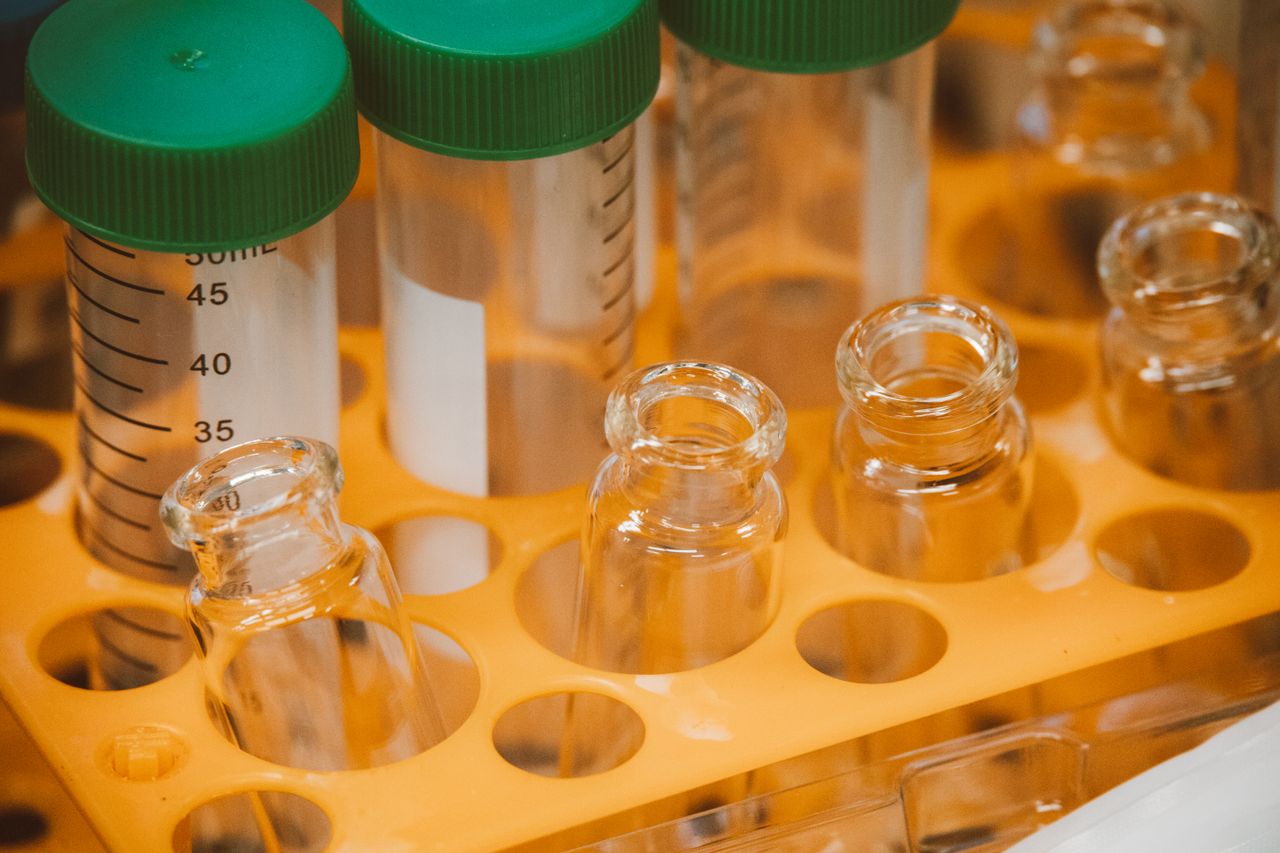
The two usually reach people through different channels. Sermorelin is mostly dispensed by compounding pharmacies on a prescription. Ipamorelin is mostly sold online as a research use only chemical, a label that does not make a product lawful for human use. Health Canada says such labelling gives no exemption.12 Our guide to what research use only means explains why.
For a compounded prescription, it is reasonable to ask which licensed pharmacy made it, whether it is a 503A pharmacy or a 503B outsourcing facility, and whether it holds a licence in your state. A reputable compounder should be able to explain how it tests each batch for potency, sterility and endotoxin.
Be wary of marketing that promises reversed ageing, fat loss or faster recovery. Those claims go beyond the evidence described above, and a prescription should follow a proper clinical assessment rather than an online questionnaire alone.
For any vial, a useful certificate of analysis should show:
- HPLC purity with the chromatogram.
- Mass spectrometry identity confirming the expected molecule.
- Endotoxin and sterility results for injectable products.
- A lot number matching the vial, the laboratory’s name and a recent date.
Our entry on peptide source verification covers how to confirm a certificate with the laboratory that issued it.
Frequently asked questions
Is sermorelin FDA approved?
Not currently. Sermorelin was approved as Geref for growth hormone deficiency in children and as a diagnostic test, but the products were discontinued in 2008 and their approvals withdrawn in 2009. FDA later confirmed they were not withdrawn for safety or effectiveness reasons.2 Sermorelin sold today in the US is typically a compounded preparation, which FDA does not approve.
Which is better, sermorelin or ipamorelin?
There is no head-to-head research to answer that. They act on different receptors, sermorelin has a paediatric approval history and small adult studies, and ipamorelin’s largest trial was negative for its tested use.17 Neither has controlled trial evidence for the anti-ageing or recovery uses they are marketed for, so neither can be called better.
Can sermorelin and ipamorelin be used together?
Clinics sometimes promote the pairing, but we found no controlled trial of sermorelin with ipamorelin. The closest data are a retrospective review of 14 men given sermorelin with two other growth hormone-releasing peptides, which reported higher IGF-1 but no control group.4 We do not give usage guidance; decisions about prescription products belong with a licensed clinician.
Is sermorelin safer than ipamorelin?
Sermorelin has more human safety data, because it went through an approval programme for children, where flushing and injection-site pain were the main reported effects.1 FDA has raised specific concerns about ipamorelin, including immunogenicity.8 But neither has long-term safety data in adults using it for ageing or recovery, and compounded or research products add their own quality risks.
Does sermorelin raise IGF-1?
It depends on the study. In 11 older men, six weeks of nightly GHRH (1-29) increased overnight growth hormone but did not change IGF-1.3 In a retrospective review, men taking sermorelin with GHRP-2 and GHRP-6 had higher IGF-1, but that combination cannot isolate sermorelin’s effect.4 Neither study looked at long-term outcomes.
Are ipamorelin and sermorelin banned in sport?
Yes. WADA’s 2026 Prohibited List names sermorelin as a GHRH analogue and ipamorelin as a growth hormone secretagogue, both under S2. They are banned in and out of competition, including when obtained on prescription unless a therapeutic use exemption applies.11
Sources
- Prakash A, Goa KL. Sermorelin: a review of its use in the diagnosis and treatment of children with idiopathic growth hormone deficiency. BioDrugs. 1999;12(2):139-157. DOI: 10.2165/00063030-199912020-00007. PMID: 18031173. pubmed.ncbi.nlm.nih.gov
- Food and Drug Administration. Determination That GEREF (Sermorelin Acetate) Injection … Were Not Withdrawn From Sale for Reasons of Safety or Effectiveness. Federal Register. 4 March 2013;78 FR 14095. Docket FDA-2012-P-1071. federalregister.gov
- Vittone J, Blackman MR, Busby-Whitehead J, Tsiao C, Stewart KJ, Tobin J, et al. Effects of single nightly injections of growth hormone-releasing hormone (GHRH 1-29) in healthy elderly men. Metabolism. 1997;46(1):89-96. DOI: 10.1016/s0026-0495(97)90174-8. PMID: 9005976. pubmed.ncbi.nlm.nih.gov
- Sigalos JT, Pastuszak AW, Allison A, Ohlander SJ, Herati A, Lindgren MC, Lipshultz LI. Growth Hormone Secretagogue Treatment in Hypogonadal Men Raises Serum Insulin-Like Growth Factor-1 Levels. Am J Mens Health. 2017;11(6):1752-1757. DOI: 10.1177/1557988317718662. PMID: 28830317. pubmed.ncbi.nlm.nih.gov
- Raun K, Hansen BS, Johansen NL, Thøgersen H, Madsen K, Ankersen M, Andersen PH. Ipamorelin, the first selective growth hormone secretagogue. Eur J Endocrinol. 1998;139(5):552-561. DOI: 10.1530/eje.0.1390552. PMID: 9849822. pubmed.ncbi.nlm.nih.gov
- Gobburu JV, Agersø H, Jusko WJ, Ynddal L. Pharmacokinetic-pharmacodynamic modeling of ipamorelin, a growth hormone releasing peptide, in human volunteers. Pharm Res. 1999;16(9):1412-1416. DOI: 10.1023/a:1018955126402. PMID: 10496658. pubmed.ncbi.nlm.nih.gov
- Beck DE, Sweeney WB, McCarter MD; Ipamorelin 201 Study Group. Prospective, randomized, controlled, proof-of-concept study of the Ghrelin mimetic ipamorelin for the management of postoperative ileus in bowel resection patients. Int J Colorectal Dis. 2014;29(12):1527-1534. DOI: 10.1007/s00384-014-2030-8. PMID: 25331030. pubmed.ncbi.nlm.nih.gov
- U.S. Food and Drug Administration. Certain Bulk Drug Substances for Use in Compounding that May Present Significant Safety Risks. Page updated 22 April 2026. fda.gov
- Alliance for Pharmacy Compounding. PCAC votes against four nominated bulk drug substances. 2024. a4pc.org
- U.S. Food and Drug Administration. Bulk Drug Substances Used in Compounding Under Section 503A of the FD&C Act. Page updated 14 May 2026. fda.gov
- World Anti-Doping Agency. The 2026 Prohibited List (S0 Non-approved substances; S2 Peptide hormones, growth factors, related substances and mimetics). wada-ama.org
- Health Canada. Think twice before injecting peptides bought online: unauthorized products can seriously harm you. Public advisory, 9 April 2026. recalls-rappels.canada.ca
Editorial note: This article is for general information only and is not medical or legal advice. Ipamorelin is not an FDA-approved drug. Sermorelin was previously approved by the FDA as Geref for specific paediatric uses, but that product was discontinued, and neither peptide is approved for the adult uses it is marketed for. Laws vary by location and change often, so verify the rules that apply where you are. Always talk to a licensed healthcare provider before use, especially if you are under 21, pregnant or nursing, taking medication, or managing a health condition.
More comparisons
-
Foundayo (Orforglipron) vs the Wegovy Pill: Two Obesity Pills Compared
-
GHK-Cu vs BPC-157: Copper Peptide and Gastric Peptide Compared
-
Retatrutide vs Semaglutide: Trial Data, Safety and Legal Status
-
Selank vs Semax: How Russia’s Two Nootropic Peptides Differ
-
Semaglutide vs Liraglutide: Weekly vs Daily GLP-1s on the Evidence