
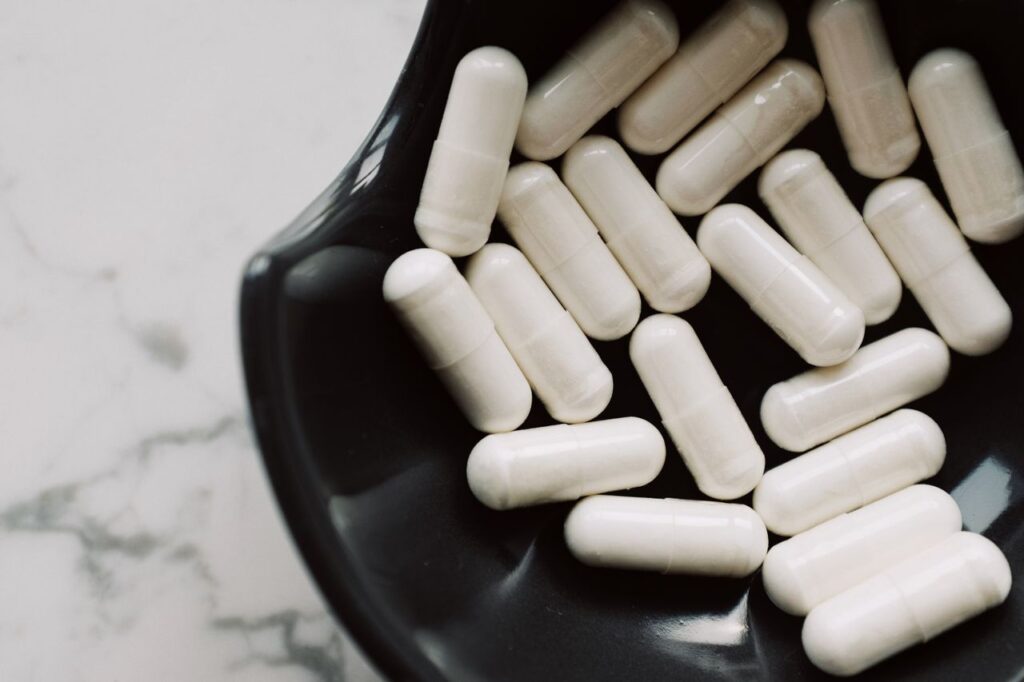
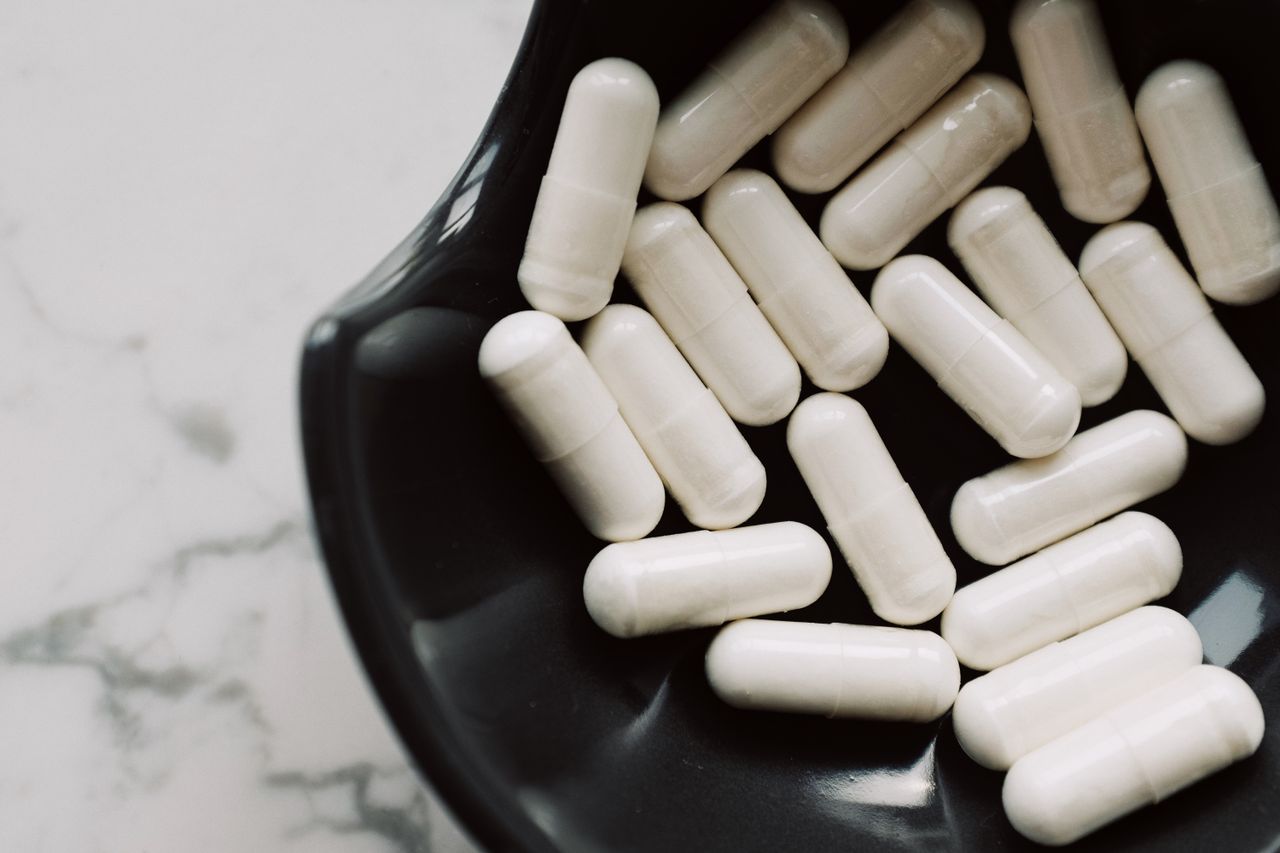
Alpha-GPC and citicoline both deliver choline, the building block for the neurotransmitter acetylcholine, but they are different molecules. Alpha-GPC is roughly 40% choline by weight and is mainly a choline donor. Citicoline (CDP-choline) carries less choline but also supplies cytidine, which the body converts to uridine, and it feeds directly into making cell-membrane phospholipids.1
In the US both are sold as dietary supplements. In parts of Europe and Asia they are licensed medicines, which is why much of the clinical data comes from older adults with dementia or stroke rather than healthy people looking for an edge.11127
This page compares what each compound is, what the human trials actually measured, where the evidence is thin or industry-funded, and the safety question that sets them apart: a large Korean cohort linking alpha-GPC prescriptions to higher stroke risk.8
At a glance
| Property | Alpha-GPC | Citicoline (CDP-choline) |
|---|---|---|
| Chemical name | L-alpha-glycerylphosphorylcholine (choline alfoscerate) | Cytidine 5′-diphosphocholine |
| Choline by weight | About 40% | Roughly a fifth (calculated from molecular weight) |
| What else it supplies | Glycerophosphate | Cytidine, which is converted to uridine |
| Main human evidence | Dementia trials; one small acute trial in healthy men | Stroke and dementia trials; small industry-funded trials in healthy people |
| Key trial | 261 people with Alzheimer’s disease (2003) | ICTUS stroke trial, 2,298 people, no benefit |
| Notable safety signal | Korean cohort: higher 10-year stroke risk in users | No comparable signal identified |
| US status | Dietary supplement | Dietary supplement |
| Status elsewhere | Prescription medicine in Italy, Poland and South Korea; Canadian NHP monograph | EU novel food (supplements up to 500 mg/day); Canadian NHP monograph |
| Evidence quality overall | Low to moderate, mostly clinical populations | Low to moderate, mixed results |
What alpha-GPC and citicoline are, chemically
Both molecules sit on the pathway the body uses to build choline-containing compounds. Choline is used to make acetylcholine, which is involved in attention and memory, and phosphatidylcholine, a major component of cell membranes.
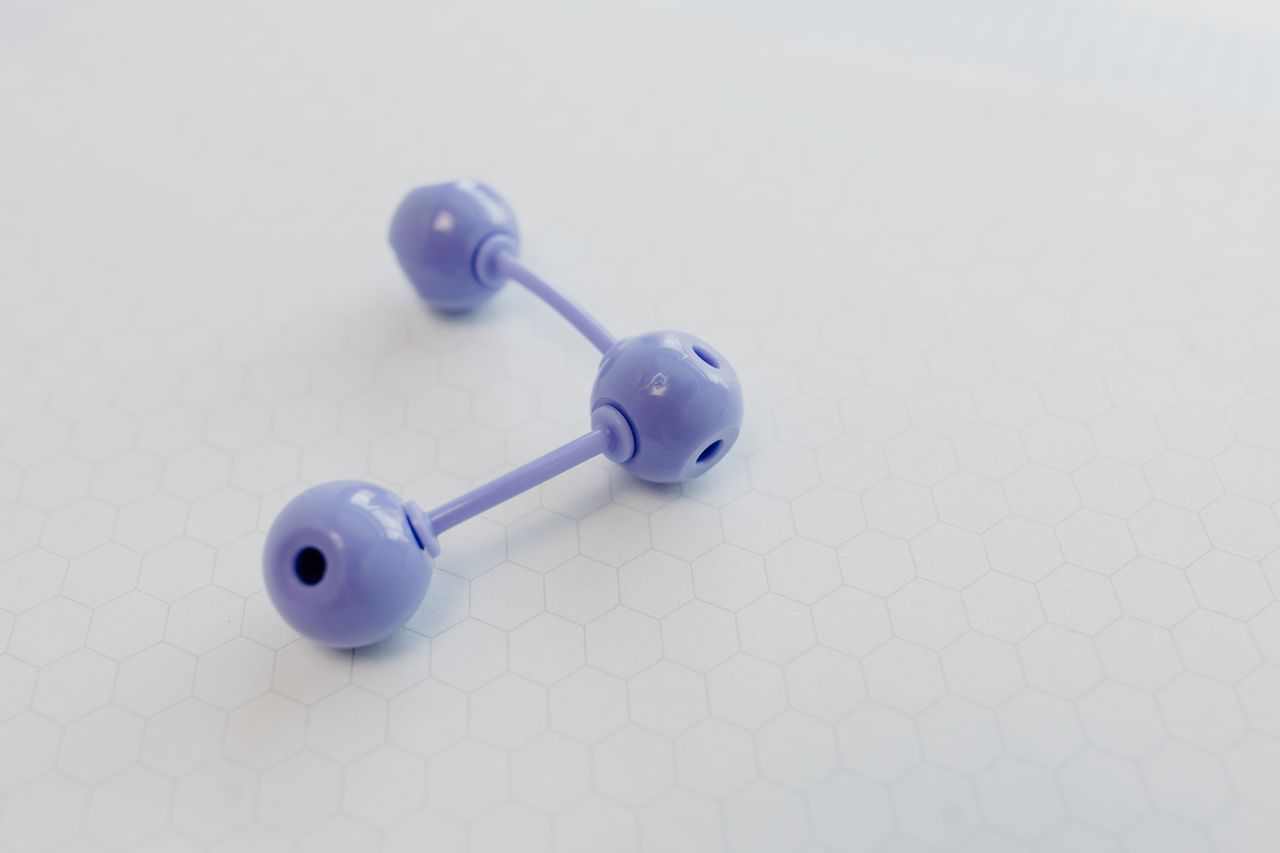
Alpha-GPC is a small phospholipid breakdown product. It has a molecular weight of about 257 g/mol and is around 41% choline by weight, one of the highest proportions of any supplemental form.1 After absorption it is split into choline and glycerophosphate.
Citicoline is a larger nucleotide. It is broken down into choline and cytidine, and the cytidine is converted to uridine. Both halves are reused to rebuild phosphatidylcholine inside cells.1 Because the molecule is heavier, the choline share is lower, roughly a fifth by weight depending on the salt form.
Why the difference matters on a label
One practical consequence: 300 mg of alpha-GPC and 300 mg of citicoline do not deliver the same amount of choline. Comparing products milligram for milligram, without adjusting for choline content, is a common mistake in marketing copy.
What the human trials actually measured
Most of the evidence for both compounds comes from people with diagnosed conditions, not healthy adults. That matters, because a signal in dementia patients does not tell you much about a well-rested 30-year-old.
Alpha-GPC
The best-known trial randomised 261 people with mild to moderate Alzheimer’s disease to 400 mg choline alfoscerate three times daily or placebo for 180 days. The treated group improved on the ADAS-Cog and other scales while the placebo group declined.2 It was a single trial, published in 2003, and we found no independent replication at that scale.
In healthy people, a 2024 crossover trial in 20 resistance-trained men found better Stroop test scores 60 minutes after 315 mg or 630 mg of alpha-GPC compared with placebo, but no differences on two other cognitive tests or on physical performance. The author was a paid adviser to the ingredient supplier.6
Citicoline
A 12-week trial in 100 healthy adults aged 50 to 85 with age-associated memory complaints reported better episodic memory with 500 mg/day of citicoline. Those were secondary outcomes, and the study was run by the ingredient’s manufacturer.4
The largest citicoline study, the ICTUS trial, enrolled 2,298 people with acute ischaemic stroke and was stopped for futility: recovery at 90 days was the same as placebo.7 That result does not speak to healthy users, but it is a useful reminder that promising small studies do not always survive a large trial.
Head-to-head evidence and how strong it is
Direct comparisons are scarce. A 2025 systematic review and meta-analysis pooled three randomised trials (358 participants with dementia) that compared the two directly. Alpha-GPC scored better on a geriatric clinical rating scale, but there was no significant difference on memory or word fluency tests, and dropout rates were similar.3
Three trials is a thin base, and the underlying studies are old. The senior author has a long publication record on choline alfoscerate, which is worth knowing when reading the conclusion that it is “more effective”.
Taken together, a fair summary as of September 2026 is:
- Clinical populations: both have some positive randomised data in cognitive decline; neither has large, independent, modern confirmatory trials.
- Healthy adults: evidence is small, short and largely industry-funded for both.
- Stroke recovery: the only large citicoline trial was negative.
- Head to head: three small trials, mixed outcomes, no memory difference.
Claims that one is “faster” and the other “longer-lasting”, common on retailer pages, are not backed by comparative pharmacokinetic studies in people that we could find.

How they differ in practice, as studied and as reported
One pattern separates the two research literatures: timing. Alpha-GPC has been tested both acutely and over months, while the main citicoline trial in healthy older adults ran for 12 weeks. That makes the popular framing of alpha-GPC as the “quick” option and citicoline as the “slow build” partly a reflection of how the studies were designed.
Doses in the published studies also differ. The Alzheimer’s trial of alpha-GPC used 1,200 mg a day in three doses; the acute trial in healthy men used single doses of 315 mg or 630 mg.26 The citicoline trial in healthy older adults used 500 mg a day.4 These are descriptions of study protocols, not recommendations.
Alpha-GPC is also marketed to gym-goers for strength and power. In the 2024 trial that measured it, jump height, bench throw performance and growth hormone did not differ from placebo.6
Anecdotally, users on forums describe headaches or low mood with high choline intake from either source, and some report feeling nothing at all. These reports are uncontrolled and cannot tell you whether the supplement, expectation or something else is responsible.
Safety: the stroke cohort and other questions
In short trials, both compounds have generally been reported as well tolerated.24 The difference lies in longer-term observational data.
A South Korean national health insurance cohort of more than 12 million adults aged 50 and over found that people prescribed alpha-GPC had a higher 10-year risk of stroke than matched non-users (adjusted hazard ratio 1.43 after matching), with a dose-response pattern.8 Observational data cannot prove cause. People prescribed alpha-GPC may differ in ways the analysis did not capture, such as early cognitive symptoms that themselves track with vascular disease.
A proposed mechanism comes from mouse work: gut bacteria can turn choline from alpha-GPC into trimethylamine N-oxide (TMAO), and alpha-GPC promoted atherosclerosis in mice bred to be prone to it.9 That is animal data, and the lead authors hold patents related to TMAO diagnostics, but it gives the cohort finding a plausible biological route.
No comparable large cohort exists for citicoline. That is an absence of data, not proof of safety.
Interactions and other cautions
- Both raise choline availability, so there is a theoretical overlap with prescription cholinergic drugs used in dementia and with anticholinergic medicines. Evidence here is theoretical rather than documented.
- People with a history of stroke, cardiovascular disease or high cardiovascular risk may want to discuss the Korean data with a clinician before using alpha-GPC.
- Pregnancy, breastfeeding and under-18 use are not well studied as supplements. The EU authorisation for citicoline requires labelling that it is not intended for children.10
Neither compound is a target of standard workplace drug panels.
Legal status in the US, UK, EU, Canada and Korea (September 2026)
United States: both are sold as dietary supplements. That means no FDA pre-market review of efficacy, and label claims must stay within structure/function wording. There is no federal scheduling for either.
European Union: citicoline was authorised as a novel food in 2014 for food supplements (up to 500 mg per day) and for foods for special medical purposes, with a requirement to state it is not for children.10 Choline alfoscerate is a nationally authorised medicine in Italy and Poland, under names including Gliatilin.11
United Kingdom: the 2014 EU citicoline authorisation predates Brexit and was carried into Great Britain’s retained novel food rules. Alpha-GPC is widely sold in supplements; check with the Food Standards Agency’s novel food guidance if you are a seller.
Canada: both are regulated as natural health products. Health Canada’s Cognitive Function Products monograph, updated January 2026, lists both choline alfoscerate and citicoline as permitted ingredients.5 Check for an eight-digit NPN on the label and look the product up in Health Canada’s Licensed Natural Health Products Database.
South Korea: choline alfoscerate is a reimbursed prescription drug, and the government has asked manufacturers to run a new efficacy and safety trial in Alzheimer’s disease.12 Citicoline is approved as a medicine for stroke in some countries.7
What to check on the label before buying
Choline supplements are cheap to make and easy to mislabel. A few checks help:
- Name the exact form. “Choline complex” or “choline blend” can mean choline bitartrate, which delivers choline but not the extra components of either compound.
- Check the purity or concentration. Alpha-GPC is often sold as a 50% powder on a carrier. A label that says “600 mg alpha-GPC 50%” may contain around 300 mg of alpha-GPC.
- Look for a batch-specific certificate of analysis from an independent lab, not just a generic spec sheet. Our guide to signs a brand is third-party tested covers what a genuine COA looks like.
- Be wary of stacks. Many nootropic stacks combine a choline source with racetams or stimulants, which makes it impossible to tell which ingredient is doing what.
- Ignore treatment claims. A supplement that says it treats memory loss or dementia is making a drug claim it is not allowed to make.
Frequently asked questions
Is alpha-GPC or citicoline better for focus?
There is no good head-to-head evidence in healthy adults. Each has one or two small, industry-linked trials reporting modest changes on specific tests, alpha-GPC after a single dose and citicoline over weeks. The only direct comparisons were in dementia patients and found no difference on memory tests.364
Can you take alpha-GPC and citicoline together?
Some commercial stacks combine them, but no published trial has tested the combination, so its effects and safety are unknown. Taking both increases total choline intake. Anyone with cardiovascular risk factors should bear in mind the Korean cohort data linking alpha-GPC prescriptions with higher stroke risk and speak to a clinician first.8
Does alpha-GPC increase stroke risk?
A Korean cohort of over 12 million adults aged 50 and over found alpha-GPC users had about a 43% higher 10-year stroke risk after matching, rising with dose. It is observational, so it shows an association rather than proof of cause, and it studied prescribed use in older adults rather than supplement use in younger people.8
Is citicoline a stimulant?
No. Citicoline is not a stimulant in the pharmacological sense and does not act like caffeine. It is broken down into choline and cytidine, which the body uses to build cell-membrane phospholipids and acetylcholine. Some users report feeling more alert, but that has not been shown in controlled trials as a stimulant effect.1
Which has more choline, alpha-GPC or citicoline?
Alpha-GPC contains more choline by weight, about 40%, compared with roughly a fifth for citicoline. Citicoline also supplies cytidine, which alpha-GPC does not. So a lower choline figure does not simply make citicoline weaker; the two deliver different things, and labels should be compared on choline content.1
Sources
- Kansakar U, Trimarco V, Mone P, Varzideh F, Lombardi A, Santulli G. Choline supplements: an update. Front Endocrinol (Lausanne). 2023;14:1148166. DOI: 10.3389/fendo.2023.1148166. PMID: 36950691. pubmed.ncbi.nlm.nih.gov
- De Jesus Moreno Moreno M. Cognitive improvement in mild to moderate Alzheimer’s dementia after treatment with the acetylcholine precursor choline alfoscerate: a multicenter, double-blind, randomized, placebo-controlled trial. Clin Ther. 2003;25(1):178-193. DOI: 10.1016/s0149-2918(03)90023-3. PMID: 12637119. pubmed.ncbi.nlm.nih.gov
- Sagaro GG, Amenta F. Comparison of the effects of choline alphoscerate and citicoline in patients with dementia disorders: a systematic review and meta-analysis. Front Neurol. 2025;16:1649661. DOI: 10.3389/fneur.2025.1649661. PMID: 41426989. pubmed.ncbi.nlm.nih.gov
- Nakazaki E, Mah E, Sanoshy K, Citrolo D, Watanabe F. Citicoline and memory function in healthy older adults: a randomized, double-blind, placebo-controlled clinical trial. J Nutr. 2021;151(8):2153-2160. DOI: 10.1093/jn/nxab119. PMID: 33978188. pubmed.ncbi.nlm.nih.gov
- Health Canada. Natural health product monograph: Cognitive Function Products. 30 January 2026. webprod.hc-sc.gc.ca
- Kerksick CM. Acute alpha-glycerylphosphorylcholine supplementation enhances cognitive performance in healthy men. Nutrients. 2024;16(23):4240. DOI: 10.3390/nu16234240. PMID: 39683633. pubmed.ncbi.nlm.nih.gov
- Dávalos A, Alvarez-Sabín J, Castillo J, et al; ICTUS trial investigators. Citicoline in the treatment of acute ischaemic stroke: an international, randomised, multicentre, placebo-controlled study (ICTUS trial). Lancet. 2012;380(9839):349-357. DOI: 10.1016/S0140-6736(12)60813-7. PMID: 22691567. pubmed.ncbi.nlm.nih.gov
- Lee G, Choi S, Chang J, et al. Association of L-α glycerylphosphorylcholine with subsequent stroke risk after 10 years. JAMA Netw Open. 2021;4(11):e2136008. DOI: 10.1001/jamanetworkopen.2021.36008. PMID: 34817582. pubmed.ncbi.nlm.nih.gov
- Wang Z, Hazen J, Jia X, et al. The nutritional supplement L-alpha glycerylphosphorylcholine promotes atherosclerosis. Int J Mol Sci. 2021;22(24):13477. DOI: 10.3390/ijms222413477. PMID: 34948275. pubmed.ncbi.nlm.nih.gov
- European Commission. Commission Implementing Decision 2014/423/EU of 1 July 2014 authorising the placing on the market of citicoline as a novel food ingredient under Regulation (EC) No 258/97. Official Journal of the European Union. 2014;L196. eur-lex.europa.eu
- European Medicines Agency. Choline alfoscerate: list of nationally authorised medicinal products (PSUSA/00010599/202208). EMA/174242/2023. 14 April 2023. ema.europa.eu
- Kim YH, Jeon N, Je NK. Trends and determinants of choline alfoscerate use in newly diagnosed Alzheimer’s disease patients in Korea. Alzheimers Dement (N Y). 2024;10(4):e70019. DOI: 10.1002/trc2.70019. PMID: 39748845. pubmed.ncbi.nlm.nih.gov
Editorial note: This article is for general information only and is not medical or legal advice. Alpha-GPC and citicoline have not been evaluated by the FDA to diagnose, treat, cure or prevent any disease. Laws vary by location and change often, so verify the rules that apply where you are. Always talk to a licensed healthcare provider before use, especially if you are under 21, pregnant or nursing, taking medication, or managing a health condition.
More comparisons
-
Bacopa vs Lion’s Mane: What the Memory and Cognition Trials Show
-
Noopept vs Piracetam: Chemistry, Evidence and Legal Status Compared
-
Kava vs Kanna: How Two Calming Botanicals Differ on the Evidence
-
Modafinil vs Adrafinil: Prodrug, Prescription Drug and the Liver Question
-
Ashwagandha vs Rhodiola: Evidence, Liver Reports and Regulation