
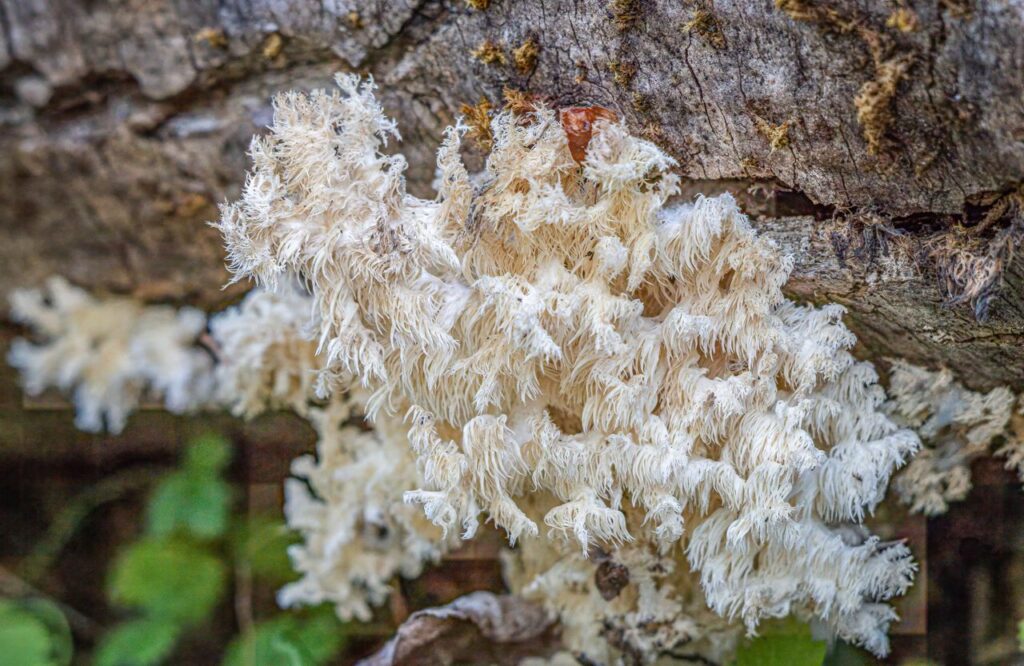
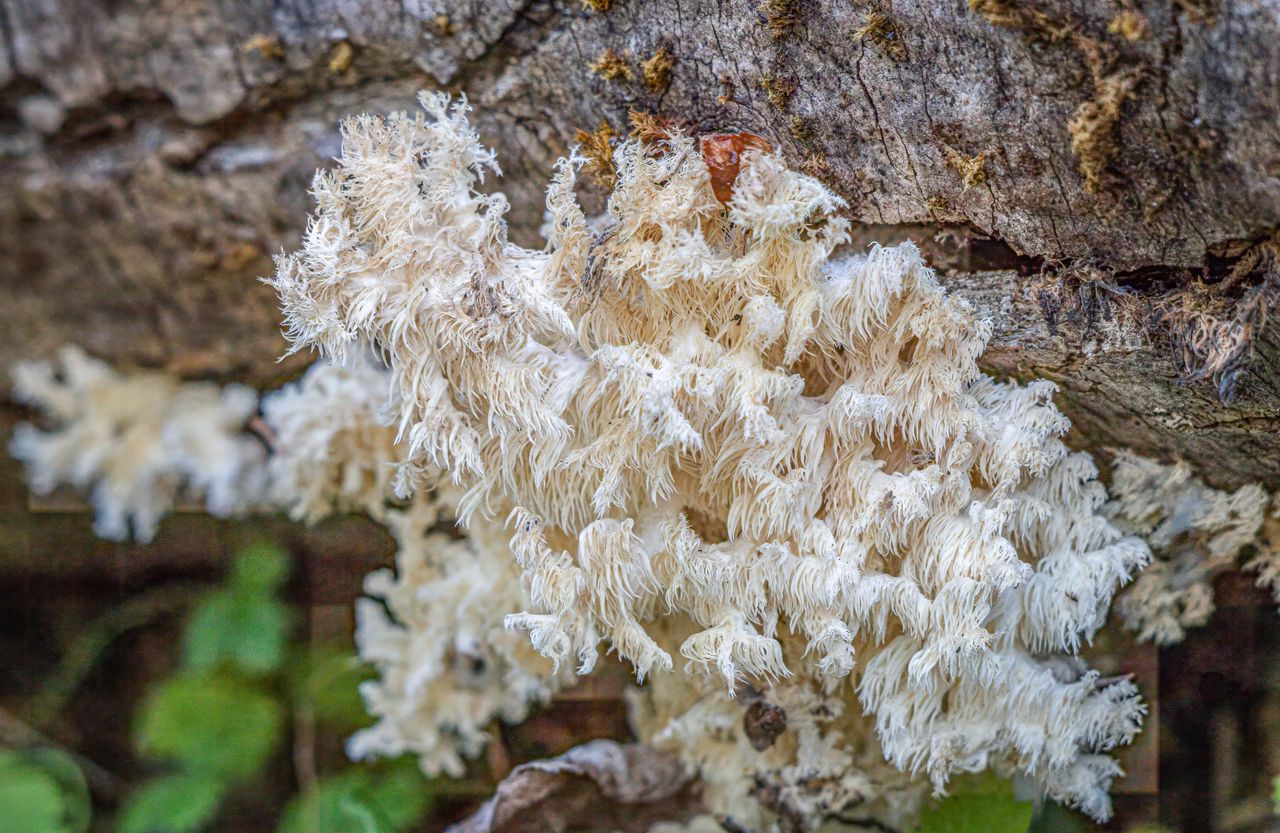
Lion’s mane (Hericium erinaceus) and cordyceps (usually Cordyceps militaris or a cultured strain once sold as Cordyceps sinensis) are unrelated fungi marketed for different jobs. Lion’s mane is studied mainly for memory and cognition; cordyceps mainly for exercise capacity and fatigue. Both rest on a handful of small human trials, and neither is approved to treat any condition.
The marketing tends to flatten that into “focus mushroom” versus “energy mushroom”. The research is thinner and messier than the slogans. Most trials enrolled a few dozen people, ran for weeks rather than months, and tested one specific product that may not resemble what is on a shop shelf.
This comparison covers what each fungus is, what the human studies actually measured, how the safety profiles differ, and what to check on a label, including the fruiting body versus mycelium question and how beta-glucans are tested.
At a glance
| Property | Lion’s mane | Cordyceps |
|---|---|---|
| Species usually sold | Hericium erinaceus | Cordyceps militaris or cultured mycelium strains such as Cs-4 |
| Compounds most studied | Hericenones (fruiting body), erinacines (mycelium), beta-glucans | Cordycepin, adenosine, polysaccharides |
| Main research focus | Cognition, mild cognitive impairment, mood | Exercise capacity, fatigue, kidney outcomes |
| Human trials | A few small RCTs, mostly short | A few small exercise trials, mixed results |
| Contains caffeine? | No | No, though some blends add it |
| Common reported side effects | Stomach upset, headache, allergy | Few documented in trials |
| Key interaction flag | Limited data; allergy history matters | Possible bleeding risk with anticoagulants |
| Label issue to check | Fruiting body vs mycelium on grain | Species, form and cordycepin testing |
| US status | Dietary supplement; not FDA-approved for any condition | Dietary supplement; not FDA-approved for any condition |
What each mushroom is and which compounds matter
Lion’s mane is an edible, white, shaggy fungus that grows on hardwood. Two groups of compounds get most of the attention: hericenones, found mainly in the fruiting body, and erinacines, found mainly in the mycelium (the root-like network).4 Both have been studied in cells and animals for effects on nerve growth factor signalling. That is laboratory evidence, not proof of an effect in people. Our lion’s mane glossary entry covers the terminology.
Cordyceps is a looser label. The traditional caterpillar fungus, now called Ophiocordyceps sinensis, grows wild at high altitude and is scarce. Most supplements instead contain cultivated Cordyceps militaris fruiting bodies or fermented mycelium strains, such as the Cs-4 material used in several trials.8 The compound most often highlighted is cordycepin, alongside adenosine and polysaccharides. See our cordyceps glossary entry for the naming history.
One reaction separates the two in practice: when a study says “cordyceps”, you need to know which species and which preparation it used before the result tells you anything about a given product.
What the human trials actually tested
Lion’s mane
The most cited trial randomised 30 Japanese adults aged 50 to 80 with mild cognitive impairment to lion’s mane tablets or placebo for 16 weeks. Scores on a cognitive scale rose in the lion’s mane group at weeks 8, 12 and 16, then fell again within four weeks of stopping.1 A 12-week Japanese trial of a fruiting body supplement reported improvement on one of three cognitive tests (the Mini Mental State Examination) but not the other two.2
In healthy young adults, a 2023 UK pilot study of 41 people found faster performance on one task (the Stroop test) an hour after a single dose, and only a trend towards lower subjective stress after 28 days. The authors noted null and some negative findings and called for larger studies.3 A 2025 systematic review of PubMed-indexed studies included five randomised trials and three pilot trials, and pooled Mini Mental State Examination data from just two of them.4 Our overview of lion’s mane trials in 2026 goes further.
Cordyceps
In 20 healthy adults aged 50 to 75, 12 weeks of the Cs-4 mycelium product raised the metabolic threshold by about 10.5% and the ventilatory threshold by about 8.5% compared with baseline, with no change in VO2 max.5 A 2017 trial in 28 young adults used a mushroom blend containing C. militaris: after one week there were no significant group-by-time effects (though time to exhaustion improved on a confidence-interval analysis), and a subgroup of ten who continued for three weeks showed a higher VO2 max.6 An earlier trial gave 22 endurance-trained male cyclists a Cs-4 product or placebo for five weeks and found no effect on aerobic capacity, ventilatory threshold or time-trial performance.7
So the cordyceps exercise data point in different directions. The positive results came from healthy older adults and from a multi-mushroom blend; the null result came from trained athletes. That pattern is common in supplement research: effects seen in people with more room to improve often shrink or vanish in those already near their ceiling.
How the effects differ in practice
Neither mushroom is a stimulant in the way caffeine is. Users of lion’s mane typically describe subtle changes, if any, that build over weeks, which matches the trial designs: the cognitive signals appeared after weeks of daily intake, not after one dose, with the single-dose Stroop finding as the exception.
Cordyceps is marketed for “energy”, but the measured outcomes were narrower: thresholds on a cycle test in older adults, and time to exhaustion in a blended product. Some ready-to-drink and coffee-style products combine cordyceps with caffeine, so any immediate lift a user notices may come from the caffeine rather than the fungus. Check the full ingredient list.
Expectation effects matter too. Both mushrooms are sold with strong stories attached, and small, subjective benefits are exactly what placebo responses look like. That does not mean nothing happens. It means that self-reports cannot separate the two.
Evidence quality: small, short and product-specific
The table below summarises the human trials discussed here. None is large, and none followed people for longer than a few months.
| Study | Product | People | Main finding |
|---|---|---|---|
| Mori 20091 | Lion’s mane tablets | 30, mild cognitive impairment | Cognitive scale scores up vs placebo; fell after stopping |
| Saitsu 20192 | Lion’s mane fruiting body | Adults, 12 weeks | One of three tests improved |
| Docherty 20233 | Lion’s mane | 41 healthy adults | Faster Stroop acutely; stress trend only |
| Chen 20105 | Cs-4 mycelium | 20 older adults | Higher thresholds; no VO2 max change |
| Hirsch 20176 | Blend with C. militaris | 28 young adults | No effect at 1 week; some gains at 3 weeks (n=10) |
| Parcell 20047 | Cs-4 product | 22 trained cyclists | No change in capacity or time trial |
Three limits apply across the board. Results are tied to a specific preparation, so a Cs-4 finding does not transfer to C. militaris, and a fruiting body result does not transfer to a mycelium product. Outcomes are often surrogate measures such as test scores or thresholds rather than daily function. And several products were supplied by manufacturers.
The US National Cancer Institute states plainly that the FDA has not approved medicinal mushrooms to treat any medical condition, and that ingredients may vary between lots.11
Safety, side effects and drug interactions
Lion’s mane was generally well tolerated in the trials above. A 2025 systematic review lists stomach discomfort, headache and allergic reactions as reported side effects.4 People with known mushroom allergies have the clearest reason for caution. Our page on lion’s mane side effects collects the case reports.
For cordyceps, Memorial Sloan Kettering’s summary records no major side effects in standard use, but flags that it may inhibit platelet aggregation and potentiate anticoagulants such as warfarin. It cites a case of excessive bleeding after a tooth extraction in a daily user. Laboratory work also suggests additive blood-sugar-lowering effects with diabetes medicines, and the same source advises avoiding cordyceps in myelogenous cancers based on animal data.8
- Anticoagulants and antiplatelets: the main documented concern for cordyceps.
- Diabetes medicines: a theoretical additive effect for cordyceps; clinical relevance unknown.
- Immunosuppressants: both are marketed as immune-active; anyone on transplant or autoimmune medicines should ask their prescriber first.
- Pregnancy and breastfeeding: there are no adequate safety data for either.
Neither mushroom contains a controlled substance, and neither is a target of standard workplace drug tests.
Legal status in September 2026
United States: both are sold as dietary supplements. They are not scheduled, and the FDA does not approve supplements before sale. Labels may carry structure or function statements but not claims to treat or prevent disease.
United Kingdom: both are sold as food supplements under food law and cannot carry medicinal claims.
Canada: products marketed with health claims are regulated as natural health products, and licensed products carry an eight-digit Natural Product Number (NPN) on the label.
There is no meaningful legal difference between the two. The practical differences are in quality control, which the next section covers.
Fruiting body vs mycelium, beta-glucans and what to check on the label
Many mushroom supplements are not made from mushrooms in the everyday sense. They are mycelium grown on a grain such as oats or rice, then dried and milled with the grain still in it. That product can legally be sold as the mushroom, but it may be mostly starch.
The standard way to check is a beta-glucan assay. The method published by McCleary and Draga (the basis of the widely used Megazyme kit) measures total glucan and alpha-glucan (starch and glycogen) separately, and reports beta-glucan as the difference.9 This matters because a label that says “30% polysaccharides” can include starch from the grain. The problem is not hypothetical: in a US study of 19 reishi supplements, only 5 matched their labels and starch-like polysaccharides turned up in 13.10
What to look for:
- The Latin species name, and for cordyceps, whether it is C. militaris or a fermented strain.
- The part used: fruiting body, mycelium, or mycelium with its growth substrate.
- Beta-glucan by a named method, ideally with alpha-glucan reported alongside it.
- For C. militaris, a cordycepin figure from a validated method.
- A batch-matched certificate of analysis covering heavy metals and microbes.
Our guides to signs a brand is genuinely third-party tested and functional mushroom label problems in 2026 go into more detail.
Frequently asked questions
Can you take lion’s mane and cordyceps together?
Many products combine them, and there is no known direct interaction between the two. There are also no trials of the combination, so any claimed synergy is marketing rather than evidence. The practical risks come from other medicines: cordyceps may add to the effect of blood thinners. Anyone on prescription medicines should check with a pharmacist, and should read the label for added caffeine or other herbs.
Is lion’s mane or cordyceps better for energy?
Neither has good evidence as an energy product. Cordyceps is the one studied for exercise, with small trials showing modest changes in some measures and no change in others. Lion’s mane has been studied for cognition, not energy. If a mushroom drink feels stimulating, check whether it contains caffeine, which is common in these blends.
How long does lion’s mane take to work?
In the trials that reported cognitive changes, differences appeared after weeks of daily use: from week 8 in the 16-week Japanese trial, and the scores fell again within four weeks of stopping.1 One small study found a faster reaction on a single task an hour after one dose.3 These are small studies, so they cannot promise any timeline for an individual.
Is cordyceps made from caterpillars?
The traditional wild fungus, Ophiocordyceps sinensis, grows from caterpillar larvae in the Himalayan region and is scarce. Most supplements do not use it. They contain Cordyceps militaris grown on grain or other substrates, or mycelium fermented in tanks. Labels should state the species and the growing method.
Does cordyceps contain caffeine?
No. Cordyceps contains cordycepin and adenosine, which are not caffeine and are not stimulants in the same sense. Some cordyceps coffees, powders and drinks add caffeine, green tea or guarana, so the ingredient list is the only way to know what a product contains.
Sources
- Mori K, Inatomi S, Ouchi K, Azumi Y, Tuchida T. Improving effects of the mushroom Yamabushitake (Hericium erinaceus) on mild cognitive impairment: a double-blind placebo-controlled clinical trial. Phytother Res. 2009;23(3):367-372. DOI: 10.1002/ptr.2634. PMID: 18844328. pubmed.ncbi.nlm.nih.gov
- Saitsu Y, Nishide A, Kikushima K, Shimizu K, Ohnuki K. Improvement of cognitive functions by oral intake of Hericium erinaceus. Biomed Res. 2019;40(4):125-131. DOI: 10.2220/biomedres.40.125. PMID: 31413233. pubmed.ncbi.nlm.nih.gov
- Docherty S, Doughty FL, Smith EF. The Acute and Chronic Effects of Lion’s Mane Mushroom Supplementation on Cognitive Function, Stress and Mood in Young Adults: A Double-Blind, Parallel Groups, Pilot Study. Nutrients. 2023;15(22):4842. DOI: 10.3390/nu15224842. PMID: 38004235. pubmed.ncbi.nlm.nih.gov
- Menon A, Jalal A, Arshad Z, Nawaz FA, Kashyap R. Benefits, side effects, and uses of Hericium erinaceus as a supplement: a systematic review. Front Nutr. 2025;12:1641246. DOI: 10.3389/fnut.2025.1641246. PMID: 40959699. pubmed.ncbi.nlm.nih.gov
- Chen S, Li Z, Krochmal R, Abrazado M, Kim W, Cooper CB. Effect of Cs-4 (Cordyceps sinensis) on exercise performance in healthy older subjects: a double-blind, placebo-controlled trial. J Altern Complement Med. 2010;16(5):585-590. DOI: 10.1089/acm.2009.0226. PMID: 20804368. pubmed.ncbi.nlm.nih.gov
- Hirsch KR, Smith-Ryan AE, Roelofs EJ, Trexler ET, Mock MG. Cordyceps militaris Improves Tolerance to High-Intensity Exercise After Acute and Chronic Supplementation. J Diet Suppl. 2017;14(1):42-53. DOI: 10.1080/19390211.2016.1203386. PMID: 27408987. pubmed.ncbi.nlm.nih.gov
- Parcell AC, Smith JM, Schulthies SS, Myrer JW, Fellingham G. Cordyceps Sinensis (CordyMax Cs-4) supplementation does not improve endurance exercise performance. Int J Sport Nutr Exerc Metab. 2004;14(2):236-242. DOI: 10.1123/ijsnem.14.2.236. PMID: 15118196. pubmed.ncbi.nlm.nih.gov
- Memorial Sloan Kettering Cancer Center. About Herbs: Cordyceps. Updated 10 February 2022. mskcc.org
- McCleary BV, Draga A. Measurement of β-Glucan in Mushrooms and Mycelial Products. J AOAC Int. 2016;99(2):364-373. DOI: 10.5740/jaoacint.15-0289. PMID: 26957216. pubmed.ncbi.nlm.nih.gov
- Wu DT, Deng Y, Chen LX, Zhao J, Bzhelyansky A, Li SP. Evaluation on quality consistency of Ganoderma lucidum dietary supplements collected in the United States. Sci Rep. 2017;7(1):7792. DOI: 10.1038/s41598-017-06336-3. PMID: 28798349. pubmed.ncbi.nlm.nih.gov
- PDQ Integrative, Alternative, and Complementary Therapies Editorial Board. Medicinal Mushrooms (PDQ®), Health Professional Version. National Cancer Institute. Updated 2024. cancer.gov
Editorial note: This article is for general information only and is not medical or legal advice. Lion’s mane and cordyceps have not been evaluated by the FDA to diagnose, treat, cure or prevent any disease. Laws vary by location and change often, so verify the rules that apply where you are. Always talk to a licensed healthcare provider before use, especially if you are under 21, pregnant or nursing, taking medication, or managing a health condition.
More comparisons