
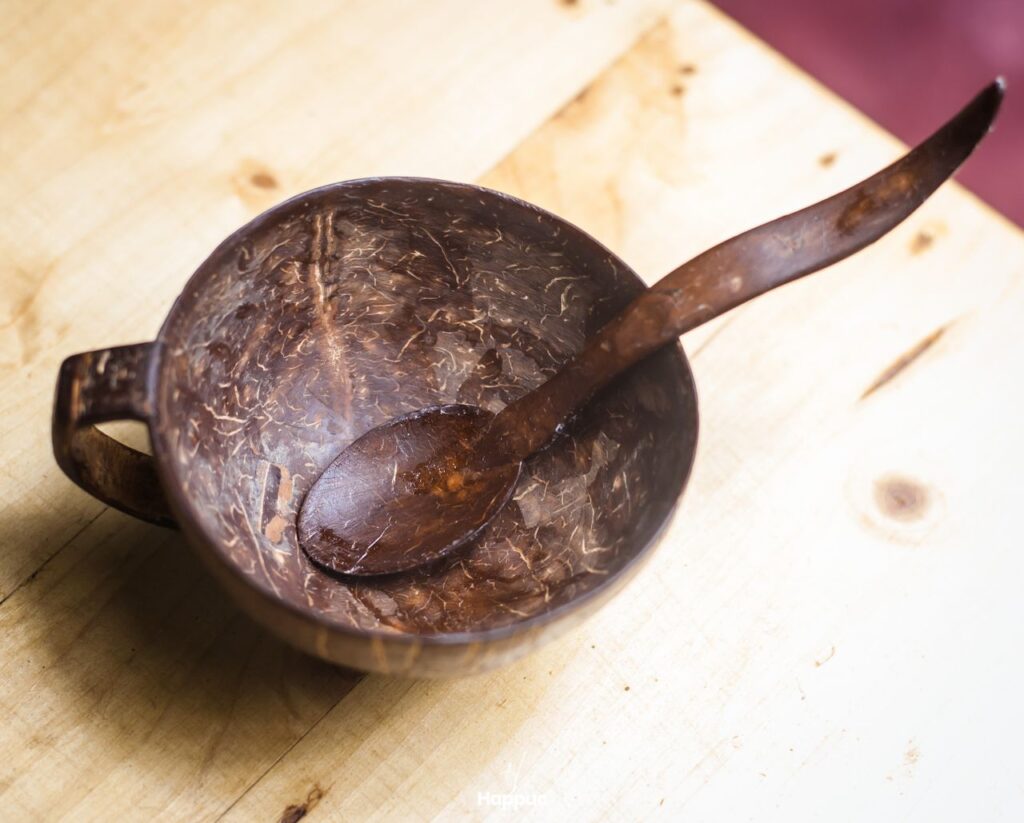
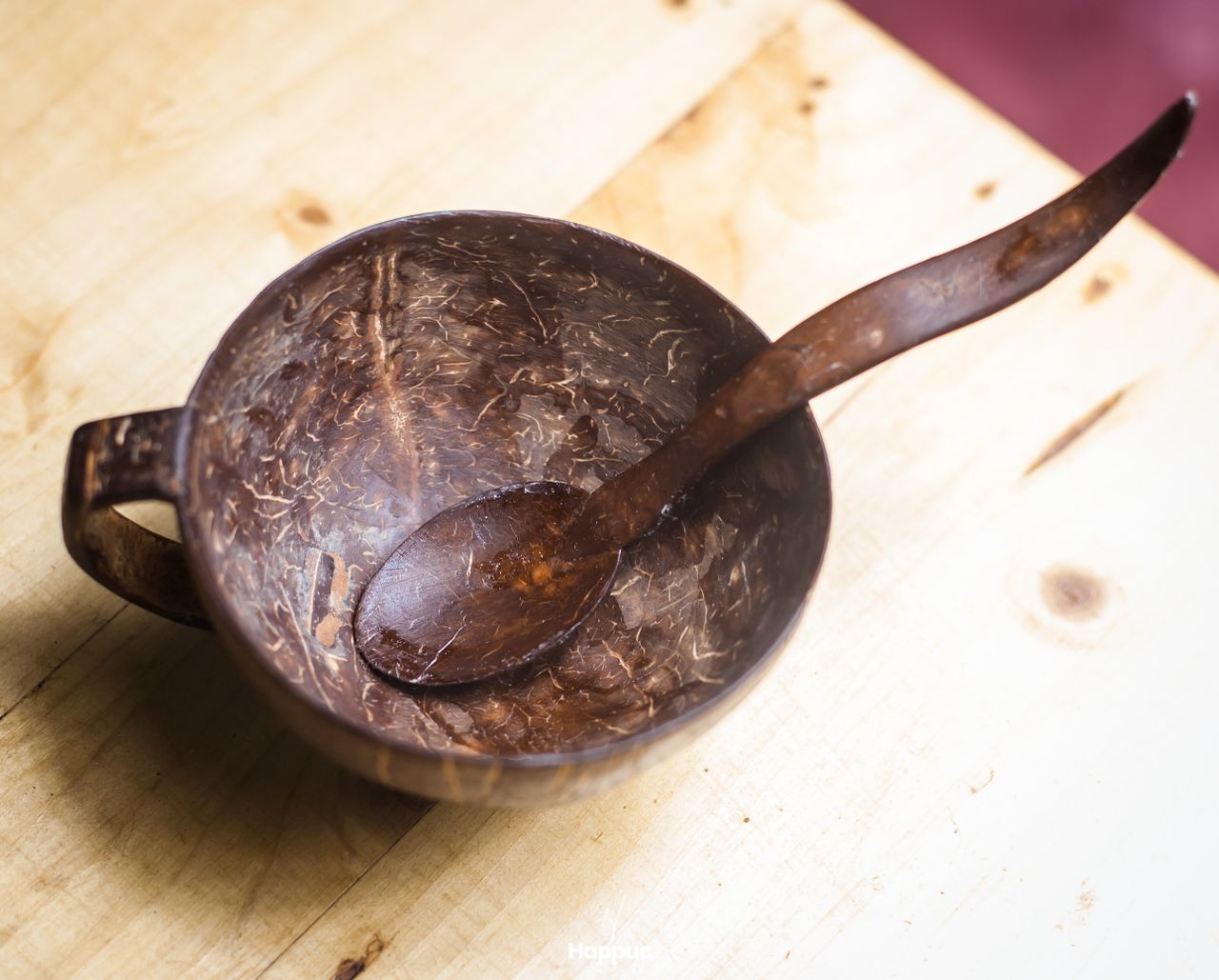
Kava and kanna come from unrelated plants and work through different systems. Kava is a drink made from the root of Piper methysticum, a Pacific pepper plant, and its kavalactones act as central nervous system depressants. Kanna is Sceletium tortuosum, a South African succulent whose alkaloids mainly inhibit serotonin reuptake. Kava has more clinical research; kanna has fewer, smaller studies.
Both now turn up in the same places: kava bars, alcohol-free “social tonics”, and supplements marketed for calm or focus. Most of the pages ranking for this comparison are written by companies selling one or both, and few cite research or cover the law.
This page compares their chemistry, the human evidence, safety and interaction concerns, and legal status in the US, UK and Canada as of September 2026. It gives no dosing guidance and does not recommend either.
At a glance
| Property | Kava | Kanna |
|---|---|---|
| Plant | Piper methysticum root, Pacific Islands | Sceletium (Mesembryanthemum) tortuosum, South Africa |
| Active compounds | Kavalactones (kavain, methysticin, yangonin and others) | Mesembrine-type alkaloids |
| Main proposed action | CNS depressant; GABA-A modulation among several targets | Serotonin reuptake and PDE4 inhibition |
| Traditional form | Water-based drink from the root | Chewed, often after fermentation |
| Human trials | Multiple randomised trials; mixed results for anxiety | A handful, small, mostly one extract |
| Best-known risk | Rare but serious liver injury | Possible serotonergic drug interactions |
| Avoid combining with | Alcohol, sedatives | Antidepressants and other serotonergic drugs |
| US federal status (Sept 2026) | Not controlled; supplement or food | Not controlled; supplement |
| UK status | Banned in food since 2002 | Not a controlled drug; Psychoactive Substances Act may apply |
What kava and kanna are and how they work
Kava is prepared from the root and rhizome of Piper methysticum and has been drunk for centuries in Pacific Island ceremonies and social life. Its active compounds are kavalactones, a group of related molecules. Laboratory studies suggest they act on several targets, including enhancing GABA-A receptor activity and blocking certain ion channels, though how these combine in people is not settled1.
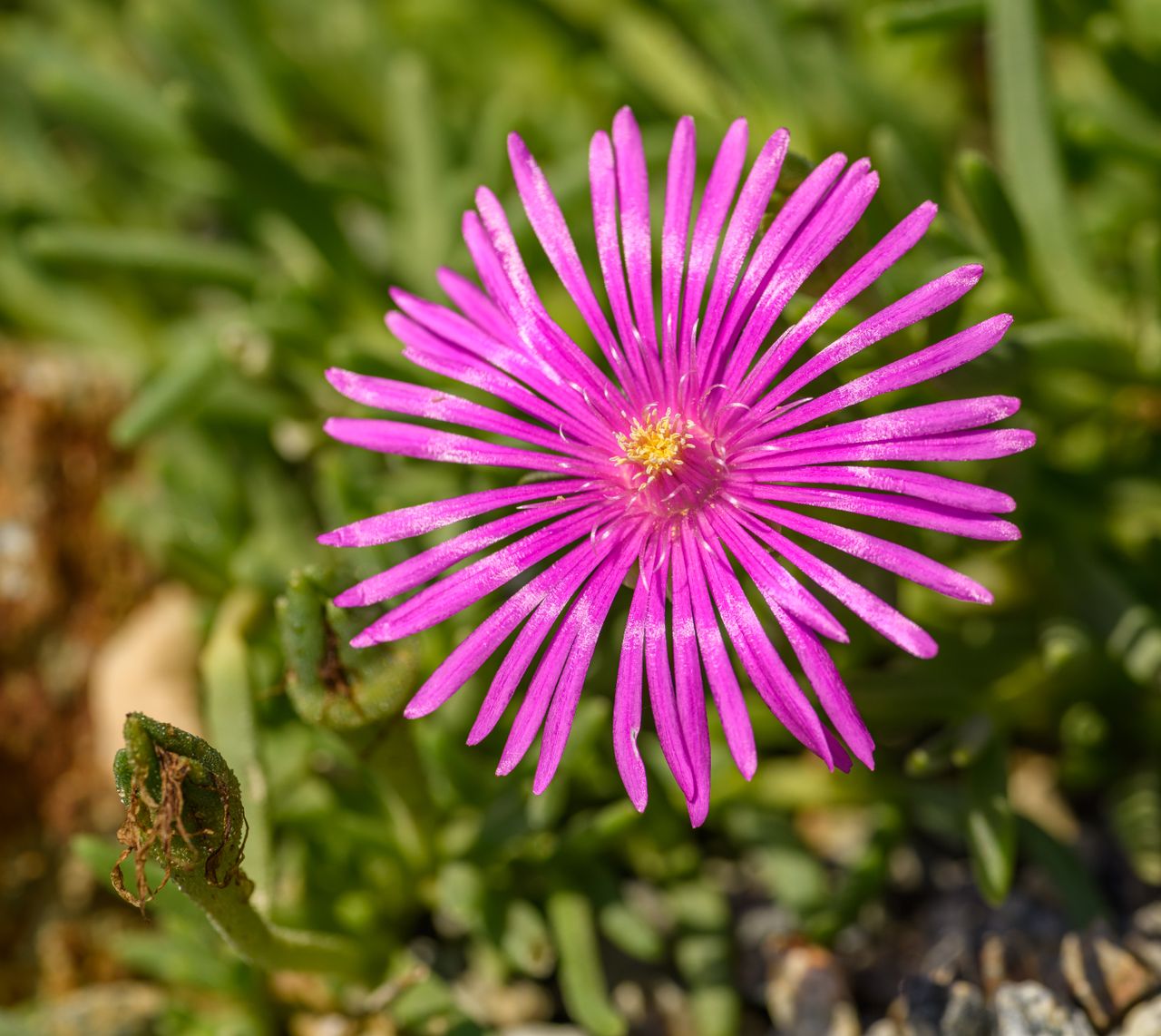
Kanna is the aerial part of Sceletium tortuosum, recently reclassified by some botanists as Mesembryanthemum tortuosum9. In a pharmacology screen of a standardised extract, the alkaloid mesembrine bound the serotonin transporter strongly, and mesembrenone also inhibited the enzyme phosphodiesterase-4 (PDE4)7. That makes kanna’s primary action closer in principle to a serotonin reuptake inhibitor than to a sedative.
One reaction separates the two. Kava’s kavalactones dampen nervous system activity through several routes; kanna’s alkaloids mainly keep serotonin in the synapse for longer. Both get marketed under the broad heading of nootropics or mood botanicals, but they are not variations on a theme.
How the effects differ in practice
Kava users typically describe physical relaxation, a calm, sociable mood and numbness of the mouth and tongue, with drowsiness at larger amounts. Some users compare it to a small amount of alcohol, but it is still a depressant and can impair coordination and alertness. It is usually consumed as a drink.
Kanna users more often describe a lift in mood, reduced tension and a sense of ease, sometimes with mild euphoria. It is taken as a powder, capsule, tincture or chew, and some people report that effects are subtle. In a three-month trial of a standardised kanna extract, some participants noted improved coping with stress and sleep in their diaries, but the study was designed to test tolerability, not effect8.
The practical difference follows from the mechanism. Kava is closer to a sedative-type experience; kanna is closer to a mood-oriented one. Neither should be treated as a substitute for prescribed anxiety or antidepressant medication, and anyone taking such medicines should speak to their prescriber first.
For how kava compares with another popular botanical, see our kratom vs kava comparison.
What the research shows, and how strong it is
Kava
Kava has the larger evidence base. A Cochrane review of 11 randomised, placebo-controlled trials with 645 participants found that kava extract reduced Hamilton Anxiety scale scores compared with placebo in a pooled analysis of six trials, with mostly mild adverse events over 1 to 24 weeks2. That review is now more than 20 years old.
A larger and longer trial published in 2020 tells a more cautious story. In 171 people with diagnosed generalised anxiety disorder, a 16-week course of an aqueous kava root extract did no better than placebo, and liver function test abnormalities were more frequent in the kava group, though no participant met criteria for herb-induced liver injury3. The authors noted that earlier research had mostly supported kava in non-clinical groups, possibly for short-term situational anxiety, but that this extract did not work for the diagnosed disorder.
Kanna
Kanna has a handful of small human studies, most using one proprietary extract (Zembrin), several co-authored by people involved in developing it. A 2026 critical review found a generally favourable safety profile but small samples, healthy-volunteer populations, inconsistent outcomes and some results limited to narrow measures such as EEG changes or reaction time, and called for large trials in relevant populations9.
- Results from standardised extracts may not apply to raw, fermented or blended kanna products.
- Kava results depend heavily on the product: variety, plant part and extraction method all differ between studies1.
Safety, side effects, interactions and drug testing
Kava
Kava’s best-known risk is liver injury. By late 2002, 11 people in Europe and the US who had used kava products had undergone liver transplants, and the FDA had issued a consumer advisory4. Proposed explanations include non-root plant parts, non-noble varieties, solvent extraction, alcohol use and contamination, rather than traditional water-based drinks56, but the mechanism has not been confirmed1.
Other effects include stomach upset, headache and dizziness, and heavy long-term use can cause a dry, scaly skin condition known as kava dermopathy. Kava should not be combined with alcohol, benzodiazepines or other sedatives, and it may carry particular risks in pregnancy and breastfeeding5.
Kanna
In a three-month placebo-controlled trial in 37 healthy adults, a standardised kanna extract caused no meaningful changes in vital signs, ECG or blood tests8. Reported side effects include headache, stomach upset, fatigue and drowsiness12. Because kanna inhibits serotonin reuptake7, combining it with SSRIs, MAOIs or other serotonergic drugs could in theory raise serotonin to unsafe levels. No human interaction studies exist.
Taking them together
Some brands now combine kava and kanna in one drink. No study has tested the combination, and it pairs a depressant with a serotonergic compound.
Drug testing
Neither kavalactones nor mesembrine alkaloids are targeted by standard workplace drug panels. That changes if a product also contains kratom, which some products marketed as kava now do.
Why some kava products now contain kratom
This is the most important recent development for anyone buying kava drinks in the US. A 2026 CDC report found that kava exposure reports to US poison centres have risen steadily since 2011, reaching 203 in 2025. Reports involving kava combined with kratom reached 30% of all kava reports that year, and serious clinical outcomes rose to 32% of reports, compared with 12% in 200010.
In a separate 2026 investigation, an Alabama poison centre identified people with opioid-like withdrawal after using liquid products marketed as kava. Laboratory testing found kratom alkaloids in several products, one product with mitragynine but no detectable kavalactones, and mitragynine pseudoindoxyl, a potent semi-synthetic opioid-active compound, as the predominant kratom-related compound in three11.
Mitragynine pseudoindoxyl has been temporarily placed in Schedule I since 26 August 2026; our article on 7-OH and DEA scheduling in 2026 explains the wider crackdown. Kratom, the leaf of Mitragyna speciosa, has opioid-like effects and dependence potential that kava does not.
Legal status as of September 2026
Kava, US: not a controlled substance. It has long been sold as a dietary supplement, and in December 2025 the FDA indicated that kava mixed with water as a single-ingredient conventional food would generally not be regulated as a food additive12. New York City bars food service establishments from selling kava drinks, a policy upheld by a federal court in 202412.
Kanna, US: not a controlled substance, and sold as a dietary supplement ingredient without premarket approval. Louisiana is reported to be the only state that expressly restricts it, under a law on hallucinogenic plants that names Mesembryanthemum species12.
UK: the Kava-kava in Food (England) Regulations 2002 prohibit selling or importing food containing kava, and the government confirmed in September 2025 that they remain in force. Kanna is not a controlled drug, but supplying it for its psychoactive effect may fall under the Psychoactive Substances Act 2016.
Canada: after a 2002 stop-sale, kava capsules again appear as licensed natural health products, and a standardised kanna extract has also been licensed as a natural health product.
What to check on the label before buying
Kava
- Noble variety and root only. Food regulators in Australia and New Zealand accept only noble varieties and peeled root or basal stem, not leaves, stems or peelings6.
- A full ingredient list that names every botanical. Ask whether the product has been tested for kratom alkaloids, given recent findings1011.
- A certificate of analysis with kavalactone content and contaminant testing.
Kanna
- Raw, fermented or standardised extract? Only standardised extracts state alkaloid content, and trial data apply only to the extract tested9.
- Identity testing. Kanna products adulterated with hordenine and ephedrine have been reported12.
For both, labels claiming to treat anxiety, depression or insomnia are making drug claims, which is a warning sign about the seller.
Frequently asked questions
Is kanna the same as kava?
No. Kava is made from the root of Piper methysticum, a pepper plant from the Pacific Islands, and its kavalactones act as central nervous system depressants1. Kanna is Sceletium tortuosum, a South African succulent whose mesembrine alkaloids mainly inhibit serotonin reuptake7. The names sound alike and both are sold for calm, but the plants, chemistry and risks are different.
Can you take kava and kanna together?
Some drinks combine them, but no study has tested the combination, so its safety is unknown. It pairs a depressant with a serotonergic compound. People taking antidepressants, sedatives or other prescription medicines, or drinking alcohol, should speak to a pharmacist or doctor first. Some products sold as kava have also been found to contain undeclared kratom alkaloids11.
Is kava bad for your liver?
Rarely, but it can be. Liver injury, including cases needing transplants, has been linked to kava products, mostly extracts, around the early 2000s4. In a 2020 trial, liver test abnormalities were more common with kava than placebo, though none met criteria for herb-induced injury3. Risk may be higher with non-noble varieties, non-root parts, alcohol or heavy use56.
Is kava or kanna better studied?
Kava. A Cochrane review pooled 11 randomised trials2, and larger trials have followed, including a 16-week trial in generalised anxiety disorder that found no benefit over placebo3. Kanna has a handful of small trials, mostly of one extract in healthy volunteers, and a 2026 review called the evidence mixed9. Neither is approved to treat any condition.
Is kava legal in the UK?
Not as food. The Kava-kava in Food (England) Regulations 2002 ban selling or importing food containing kava, and in September 2025 the government confirmed the ban remains in force. A separate 2002 order bans most medicinal products containing kava. Kanna is not a controlled drug, but its supply may fall under the Psychoactive Substances Act 2016.
Sources
- Bian T, Corral P, Wang Y, et al. Kava as a Clinical Nutrient: Promises and Challenges. Nutrients. 2020;12(10):3044. DOI: 10.3390/nu12103044. PMID: 33027883. pubmed.ncbi.nlm.nih.gov
- Pittler MH, Ernst E. Kava extract for treating anxiety. Cochrane Database Syst Rev. 2003;(1):CD003383. DOI: 10.1002/14651858.CD003383. PMID: 12535473. pubmed.ncbi.nlm.nih.gov
- Sarris J, Byrne GJ, Bousman CA, et al. Kava for generalised anxiety disorder: A 16-week double-blind, randomised, placebo-controlled study. Aust N Z J Psychiatry. 2020;54(3):288-297. DOI: 10.1177/0004867419891246. PMID: 31813230. pubmed.ncbi.nlm.nih.gov
- Centers for Disease Control and Prevention. Hepatic Toxicity Possibly Associated with Kava-Containing Products: United States, Germany, and Switzerland, 1999-2002. MMWR. 2002;51(47):1065-1067. cdc.gov
- National Center for Complementary and Integrative Health. Kava. Last updated April 2025. nccih.nih.gov
- Food Standards Australia New Zealand. Imported food risk statement: Kava (Piper methysticum). June 2025. foodstandards.gov.au
- Harvey AL, Young LC, Viljoen AM, Gericke NP. Pharmacological actions of the South African medicinal and functional food plant Sceletium tortuosum and its principal alkaloids. J Ethnopharmacol. 2011;137(3):1124-1129. DOI: 10.1016/j.jep.2011.07.035. PMID: 21798331. pubmed.ncbi.nlm.nih.gov
- Nell H, Siebert M, Chellan P, Gericke N. A randomized, double-blind, parallel-group, placebo-controlled trial of Extract Sceletium tortuosum (Zembrin) in healthy adults. J Altern Complement Med. 2013;19(11):898-904. DOI: 10.1089/acm.2012.0185. PMID: 23441963. pubmed.ncbi.nlm.nih.gov
- de Jong M, van Niekerk S, Hamman J, van der Kooy F. Mesembryanthemum tortuosum and Zembrin: Mixed Evidence from In vivo Animal and Clinical Studies on their Antidepressant and Anxiolytic Effects. Planta Med. 2026;92(8):806-823. DOI: 10.1055/a-2809-5144. PMID: 41771298. pubmed.ncbi.nlm.nih.gov
- Towers EB, Williams IL, Holstege CP, Farah R. Increase in Poison Center Reports Linked to Kratom-Containing Kava Products: National Poison Data System, United States, 2000-2025. MMWR Morb Mortal Wkly Rep. 2026;75(12):157-163. DOI: 10.15585/mmwr.mm7512a1. PMID: 41926333. pubmed.ncbi.nlm.nih.gov
- Marshall S, Leisch L, Scott KS, et al. Unlabeled kratom alkaloids detected in products marketed as kava. Clin Toxicol (Phila). 2026;64(8):728-731. DOI: 10.1080/15563650.2026.2688238. PMID: 42374886. pubmed.ncbi.nlm.nih.gov
- Majewska B, Kappel J, George A. Kava and Kanna: Regulation, Safety, and Market Trends for Novel Ingredients. Vicente LLP. 25 February 2026. vicentellp.com
Editorial note: This article is for general information only and is not medical or legal advice. Kava and kanna have not been evaluated by the FDA to diagnose, treat, cure or prevent any disease. Laws vary by location and change often, so verify the rules that apply where you are. Always talk to a licensed healthcare provider before use, especially if you are under 21, pregnant or nursing, taking medication, or managing a health condition.
More comparisons
-
Bacopa vs Lion’s Mane: What the Memory and Cognition Trials Show
-
Noopept vs Piracetam: Chemistry, Evidence and Legal Status Compared
-
Modafinil vs Adrafinil: Prodrug, Prescription Drug and the Liver Question
-
Alpha-GPC vs Citicoline: How the Two Choline Sources Compare on Evidence
-
Ashwagandha vs Rhodiola: Evidence, Liver Reports and Regulation