
Quick answer: CBDa, or cannabidiolic acid, is the raw form of CBD that exists in the living hemp plant. Heat, time and sunlight strip a carboxyl group from the molecule and turn CBDa into CBD, a reaction called decarboxylation. The two compounds are not interchangeable: CBDa inhibits COX-2 in laboratory models, appears to reach the bloodstream more efficiently in early pharmacokinetic work, and shows different receptor activity, particularly at the 5-HT1A serotonin receptor. Almost none of this has been confirmed in large human trials.
What is CBDa?
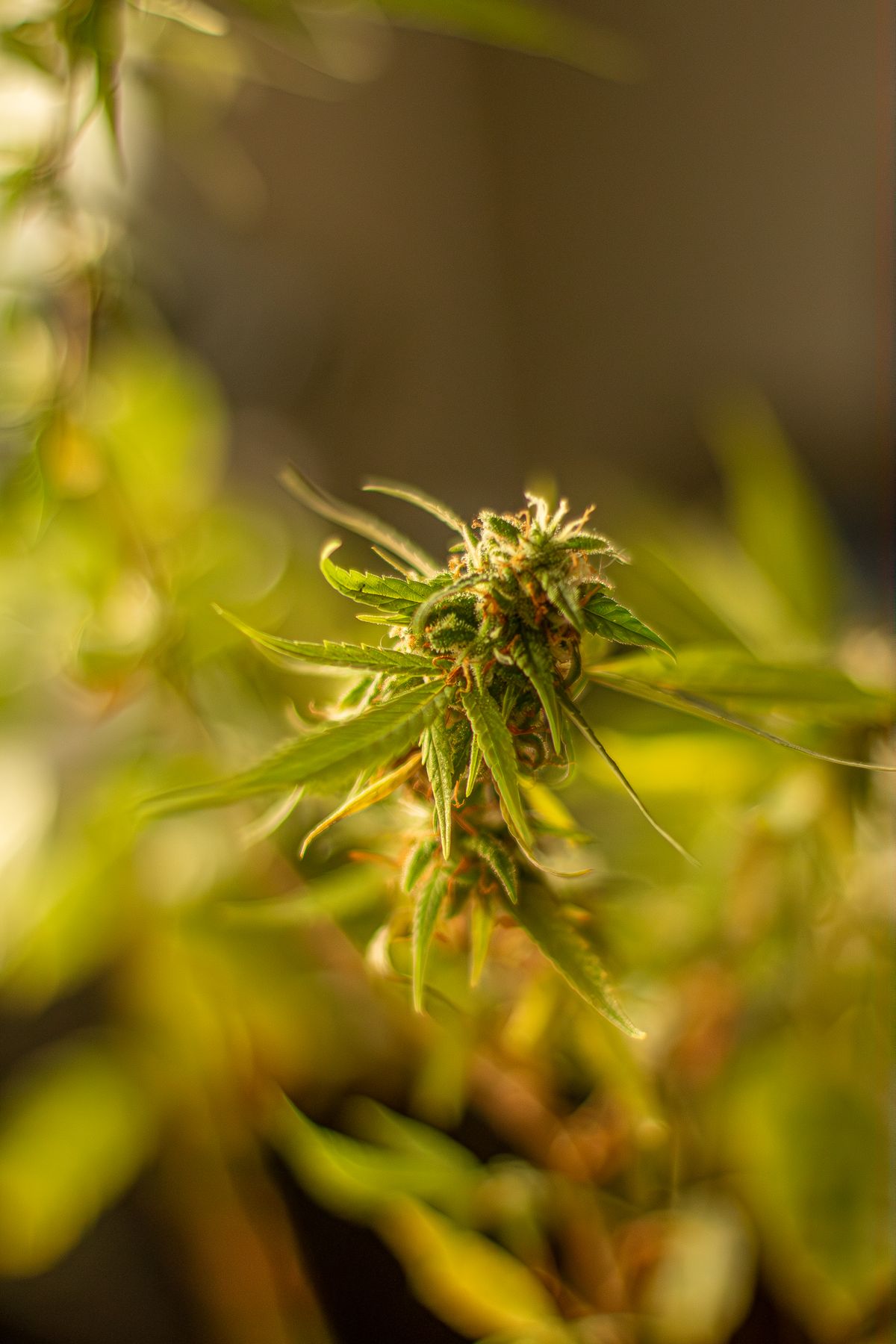
Every major cannabinoid starts life as an acid. Cannabigerolic acid (CBGa) is the parent molecule, and plant enzymes convert it into cannabidiolic acid (CBDa), tetrahydrocannabinolic acid (THCa) or cannabichromenic acid (CBCa). A fresh, undried hemp plant is overwhelmingly acidic cannabinoids. The CBD that dominates the retail market barely exists in the living plant at all.
The conversion is straightforward chemistry. Apply heat, or simply leave the material exposed to air and light for long enough, and the carboxyl group breaks off as carbon dioxide. CBDa becomes CBD. Drying, curing, extraction under heat and any form of baking or vaping accelerate the process. That is why a cold-pressed juice made from raw hemp leaf is a CBDa product, while almost every tincture, gummy and capsule on a shelf is a CBD product.
CBDa vs CBD: the differences that actually matter
- Structure: CBDa carries a carboxylic acid group that CBD lacks. One chemical step separates them.
- Stability: CBDa is the less stable of the two. Warm storage, long shelf time and any heating convert it toward CBD, which is why CBDa content on a certificate of analysis can fall over a product’s life.
- Enzyme activity: CBDa acts as a selective COX-2 inhibitor in cell-based assays. CBD does not do this to any meaningful degree. COX-2 is the same enzyme family targeted by common anti-inflammatory drugs, which is why the finding attracted attention, and also why it should not be read as evidence of a clinical effect.
- Receptor activity: Rodent work from Linda Parker’s group at the University of Guelph reported that CBDa is a potent activator of 5-HT1A serotonin receptors at doses far below those needed for CBD, with anti-nausea effects in animal models. A more stable synthetic analogue, CBDa methyl ester, was developed because the parent molecule degrades so readily.
- Absorption: Comparative pharmacokinetic studies, mostly in animals and a handful of small human samples, suggest CBDa reaches higher plasma concentrations than an equivalent dose of CBD. Sample sizes are small and formulations differ, so treat the size of the gap as unsettled.
The COVID-19 headlines, and what the study actually showed
In 2022 a team at Oregon State University reported that CBDa and CBGa bound to the SARS-CoV-2 spike protein and blocked cell entry in laboratory assays. The paper was published in the Journal of Natural Products and became one of the most misreported cannabinoid studies of the decade. Headlines suggested hemp could prevent infection. The study itself did no such thing: it was an in vitro screening experiment using isolated acids at concentrations unrelated to what any commercial product delivers, with no animal or human data attached.
It remains a legitimate finding about binding affinity and a reasonable reason to study acidic cannabinoids further. It is not a health claim, and any brand using it as one is telling you something about the brand rather than about the molecule.
Where CBDa fits into 2026 hemp rules
The regulatory change that matters here is the shift to a total-THC standard under the fiscal 2026 appropriations law, with a 0.4 milligram total THC per container cap for finished hemp products and a compliance date now set at 11 December 2026. The mechanics are relevant to anyone buying raw or minimally processed hemp extracts, because acid-form cannabinoids are counted after conversion. Total THC is calculated as delta-9 THC plus 0.877 times THCa, so a raw extract that tests low for delta-9 can still fail on total THC. We break the change down in our guide to the new federal hemp THC limit.
The same arithmetic runs in the other direction for the cannabinoid you are paying for. Total CBD on a lab report equals CBD plus 0.877 times CBDa. A raw tincture advertising 1,000 milligrams of cannabinoids may be mostly CBDa, which is fine if that is what you wanted and misleading if you assumed you were buying CBD.
How to tell whether a product really contains CBDa
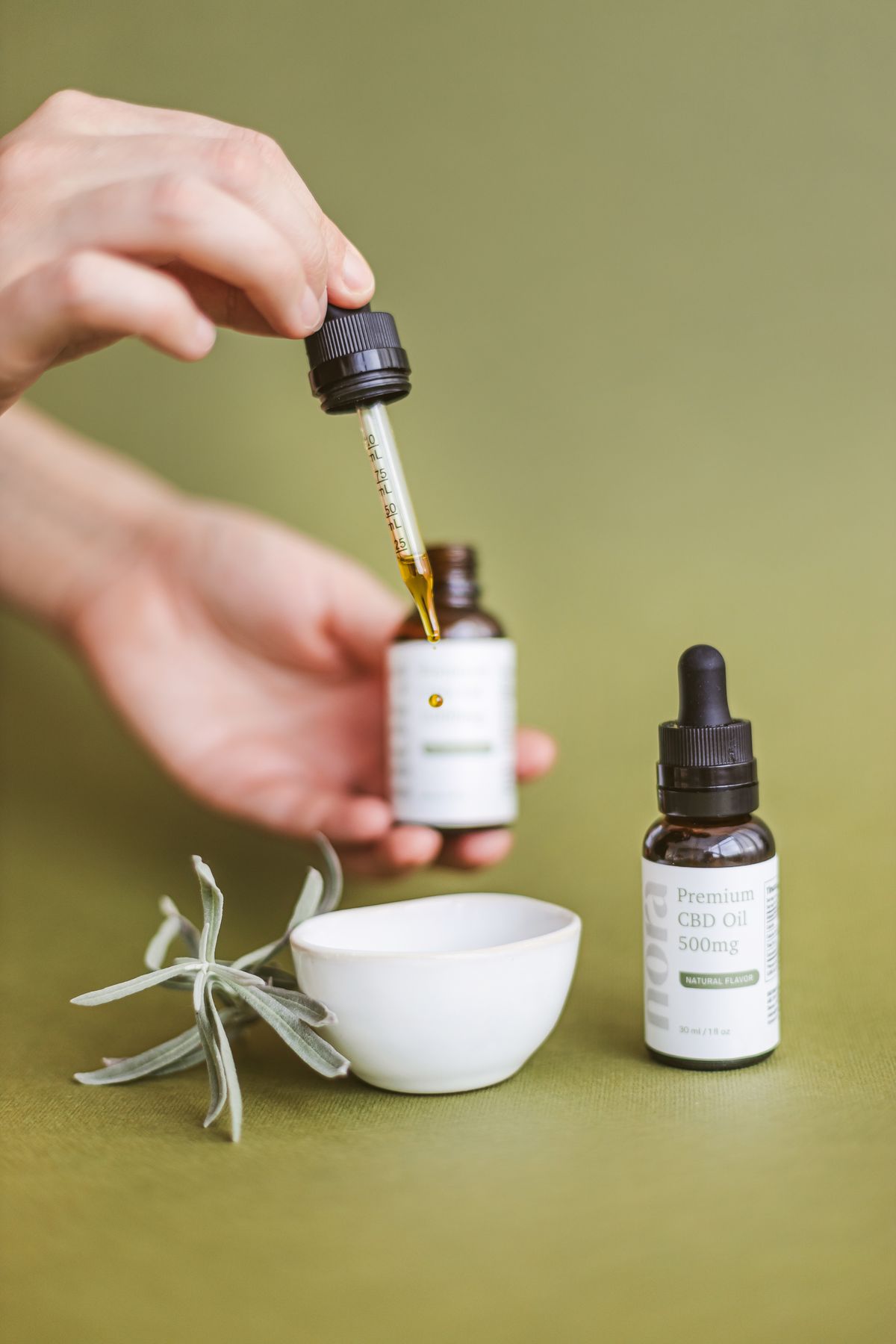
Marketing language is not evidence. The certificate of analysis is, and there are four things to look for.
- A separate CBDa line. A full cannabinoid panel lists CBD and CBDa as distinct analytes. If the report only shows total CBD, you cannot tell what you are getting.
- Date of testing. CBDa declines with time and temperature. A report from eighteen months ago says little about the bottle in your hand.
- Extraction method. Cold-press, low-temperature ethanol and raw juicing preserve acids. Heated CO2 extraction and distillation do not.
- Batch match. The batch number on the report should match the batch on the label, a check we cover in detail in our CBD buying checklist.
One practical consequence catches people out: heating a CBDa product converts it. If you add a raw tincture to hot coffee or vape a raw extract, you are largely consuming CBD. Whether that matters depends on which molecule you were actually after.
What CBDa is not
CBDa is not intoxicating. It is not a treatment for any disease, and no regulator has approved it for one. It is not a stronger version of CBD, and it is not a replacement for the prescription cannabidiol product Epidiolex, which remains the only FDA-approved cannabidiol drug. The honest summary is that CBDa is a chemically distinct cannabinoid with an interesting preclinical profile and a thin human evidence base.
Safety data follows the same pattern. Acute toxicity appears low in the animal literature and no distinctive adverse effect profile has emerged, but there are no long-term human safety studies specific to CBDa. Because cannabidiol interacts with cytochrome P450 enzymes and can shift the blood levels of other medicines, the sensible assumption is that its acid precursor deserves the same caution rather than less.
Who is CBDa actually for?
Realistically, three groups. People who juice or eat raw hemp leaf and want the acids intact. People following the 5-HT1A and COX-2 research who prefer to experiment with the raw form while accepting that human evidence is missing. And formulators who want a full-spectrum profile that reflects the plant rather than the extraction equipment. Everyone else is better served by understanding that the CBD in their tincture began as CBDa and was converted during manufacture.
If you are comparing product types more broadly, our explainer on full spectrum, broad spectrum and isolate covers how processing changes what ends up in the bottle, and CBD vs hemp vs THC sorts out the terminology that brands routinely blur.
Frequently asked questions
What is CBDa?
CBDa is cannabidiolic acid, the acid precursor of CBD found in living hemp. It converts to CBD when heated or stored for long periods.
Is CBDa stronger than CBD?
Not in any established clinical sense. Early pharmacokinetic work suggests CBDa may be absorbed more efficiently, and it is more active at 5-HT1A receptors in animal models, but no human trials establish greater effectiveness.
Does CBDa get you high?
No. CBDa is non-intoxicating, like CBD.
Does heating destroy CBDa?
Heating converts it. Decarboxylation removes the acid group and produces CBD, so a heated CBDa product effectively becomes a CBD product.
How is total CBD calculated on a lab report?
Total CBD equals CBD plus 0.877 times CBDa. The same 0.877 factor is used for the THC side of the panel, which is why acid forms matter under the 2026 total-THC standard.
Is CBDa legal?
CBDa from hemp sits inside the same federal framework as CBD and is not a controlled substance. Products must still satisfy the new hemp definition taking effect on 11 December 2026 and any applicable state rules.
This article summarises published research for general information and is not medical advice. Preclinical findings do not predict clinical outcomes. Speak with a qualified clinician before using any cannabinoid product, especially alongside prescription medicines.